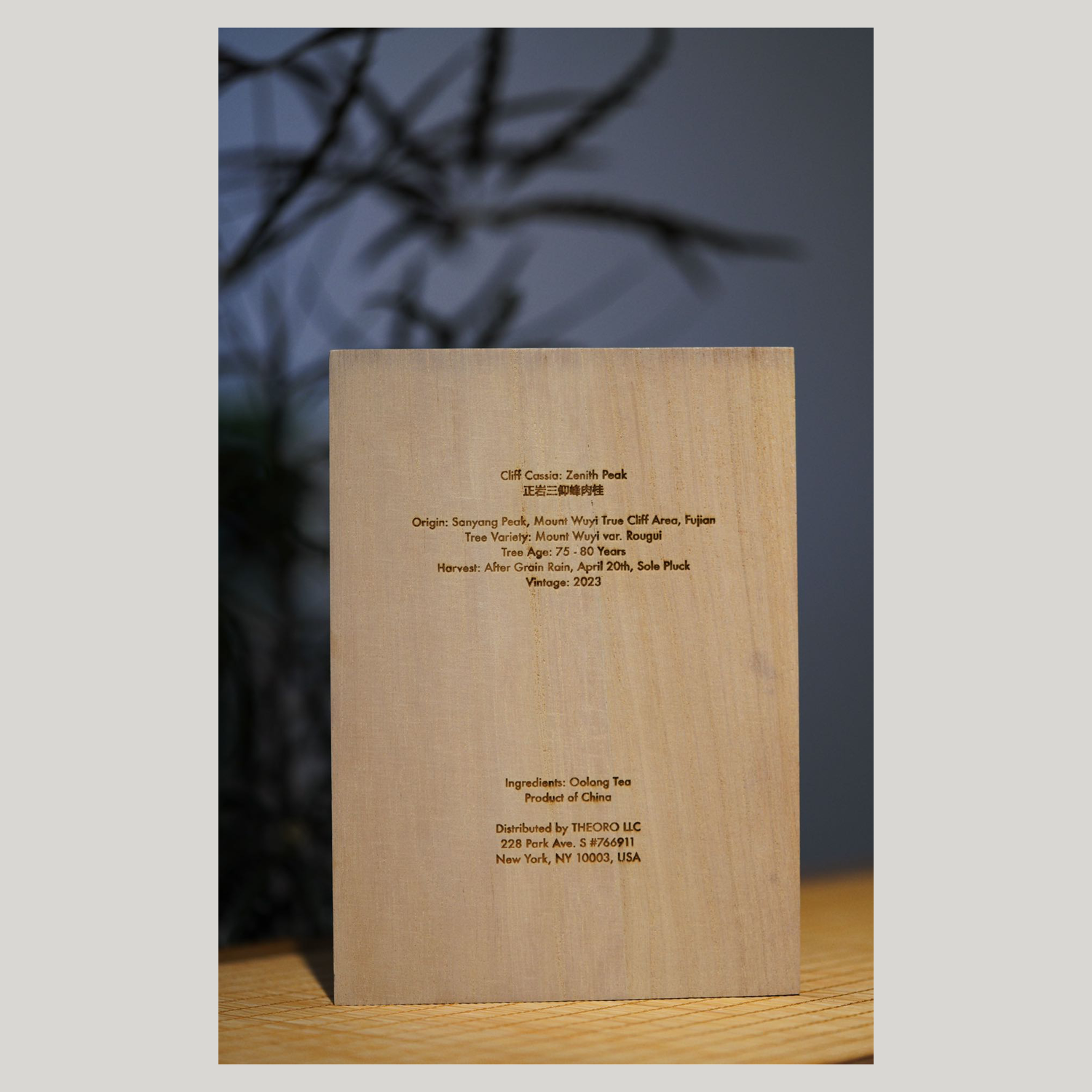
 Image 1 of 11
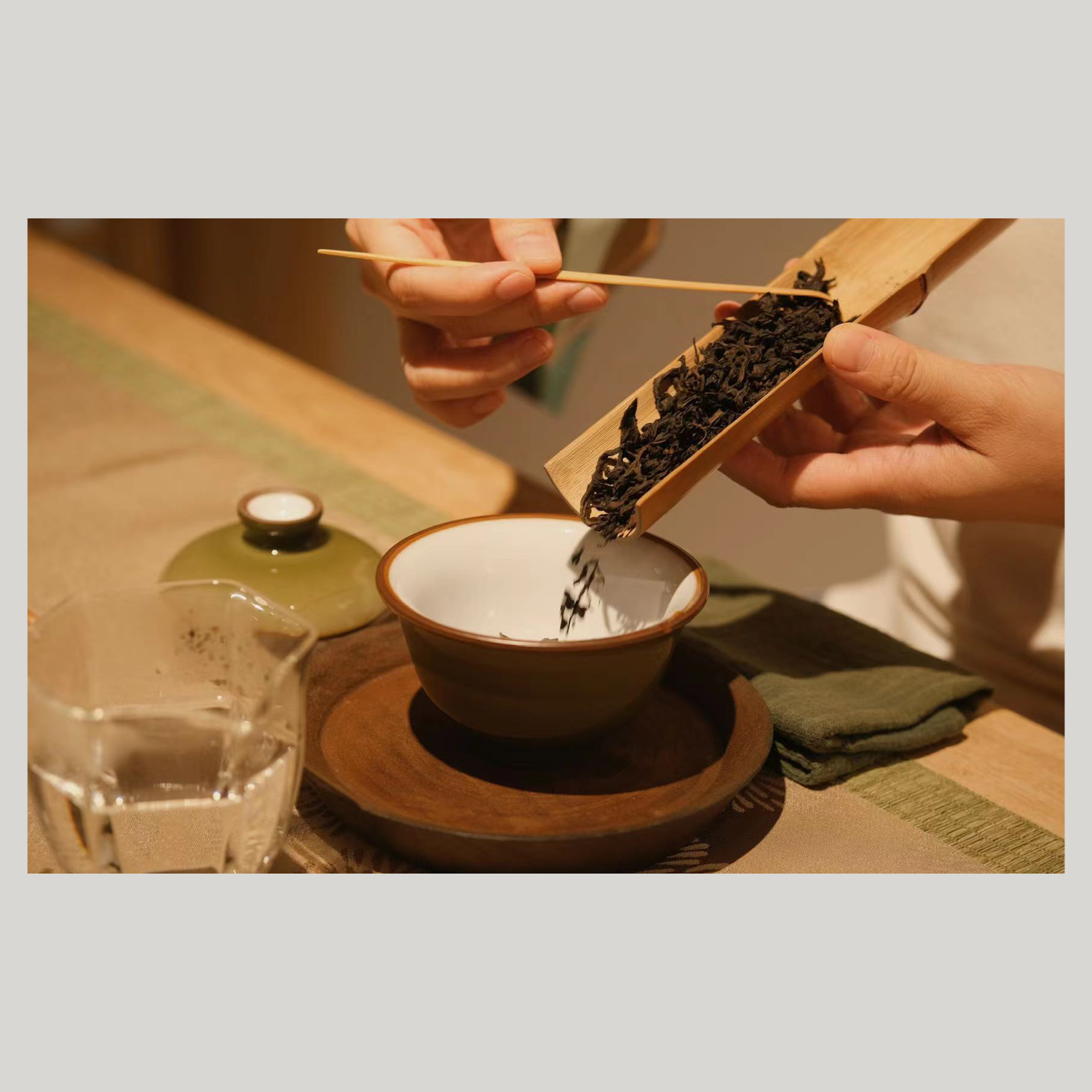
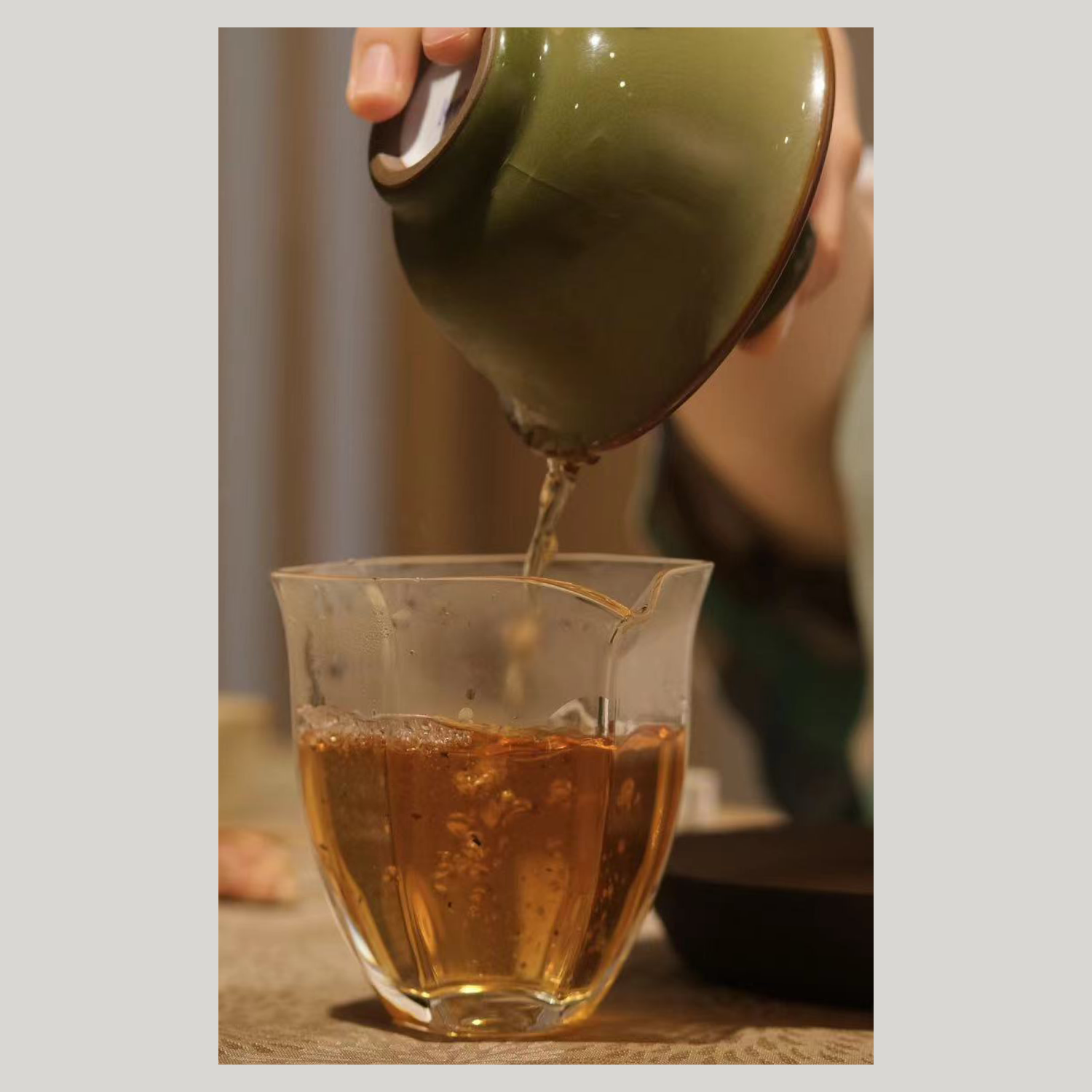 Image 2 of 11
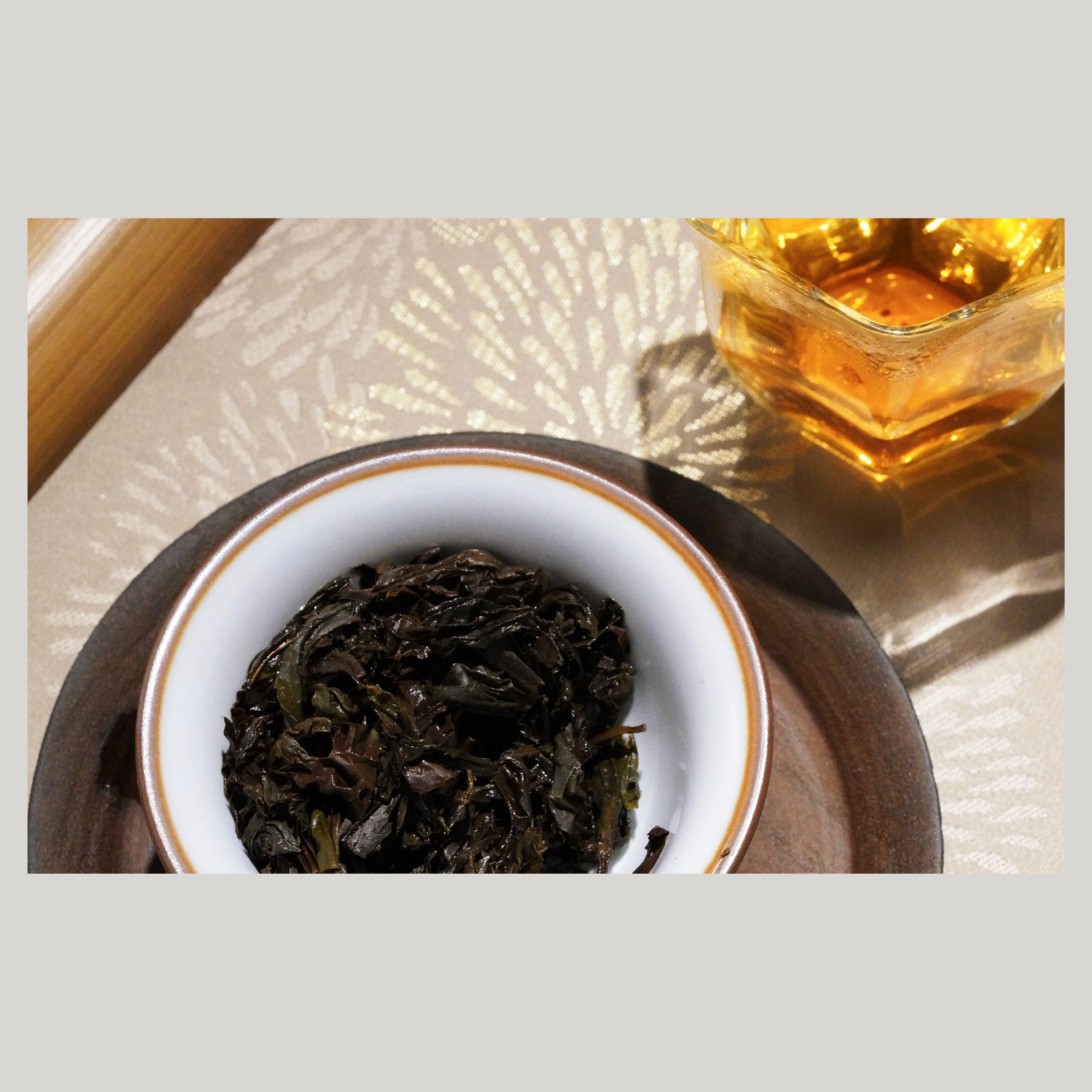 Image 3 of 11
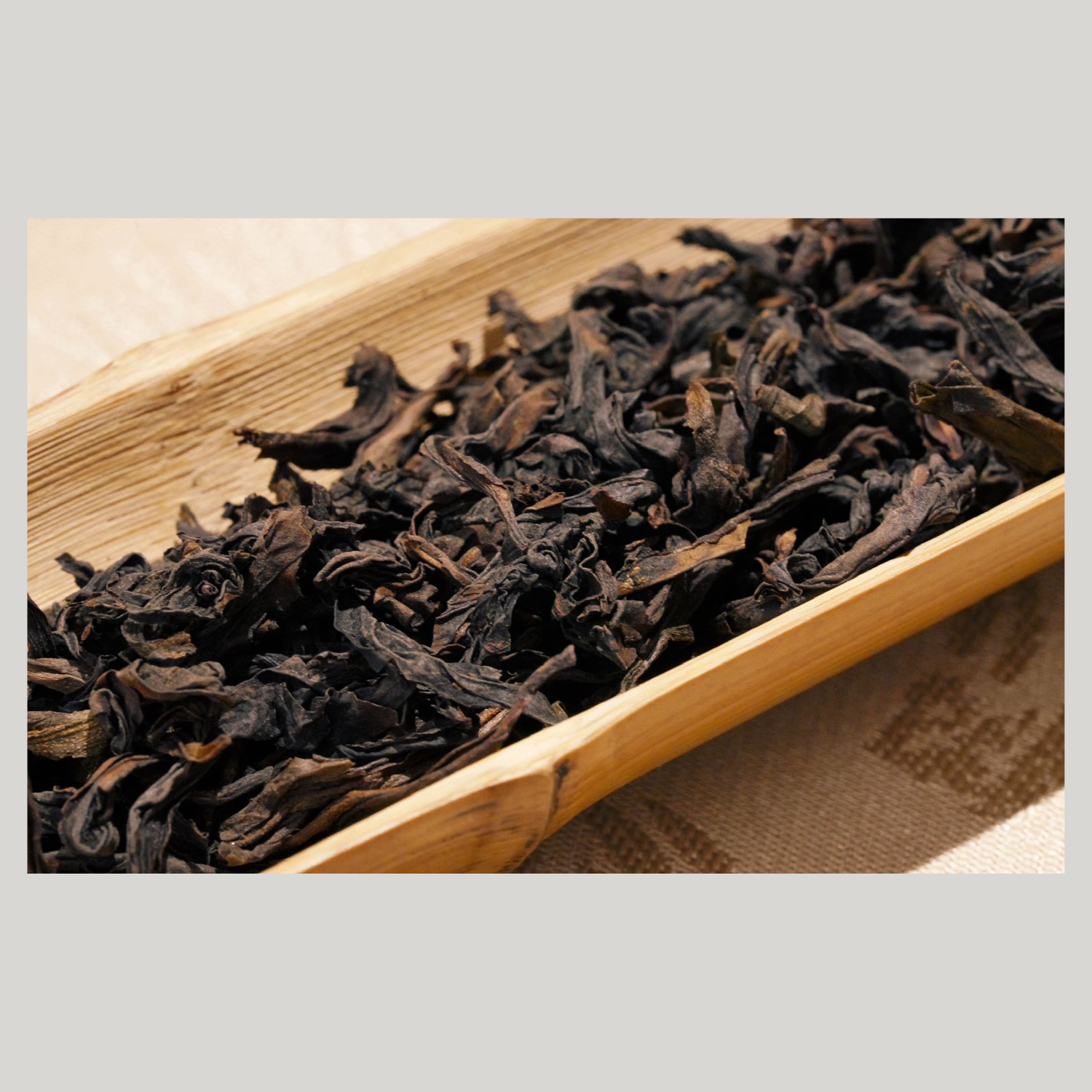 Image 4 of 11
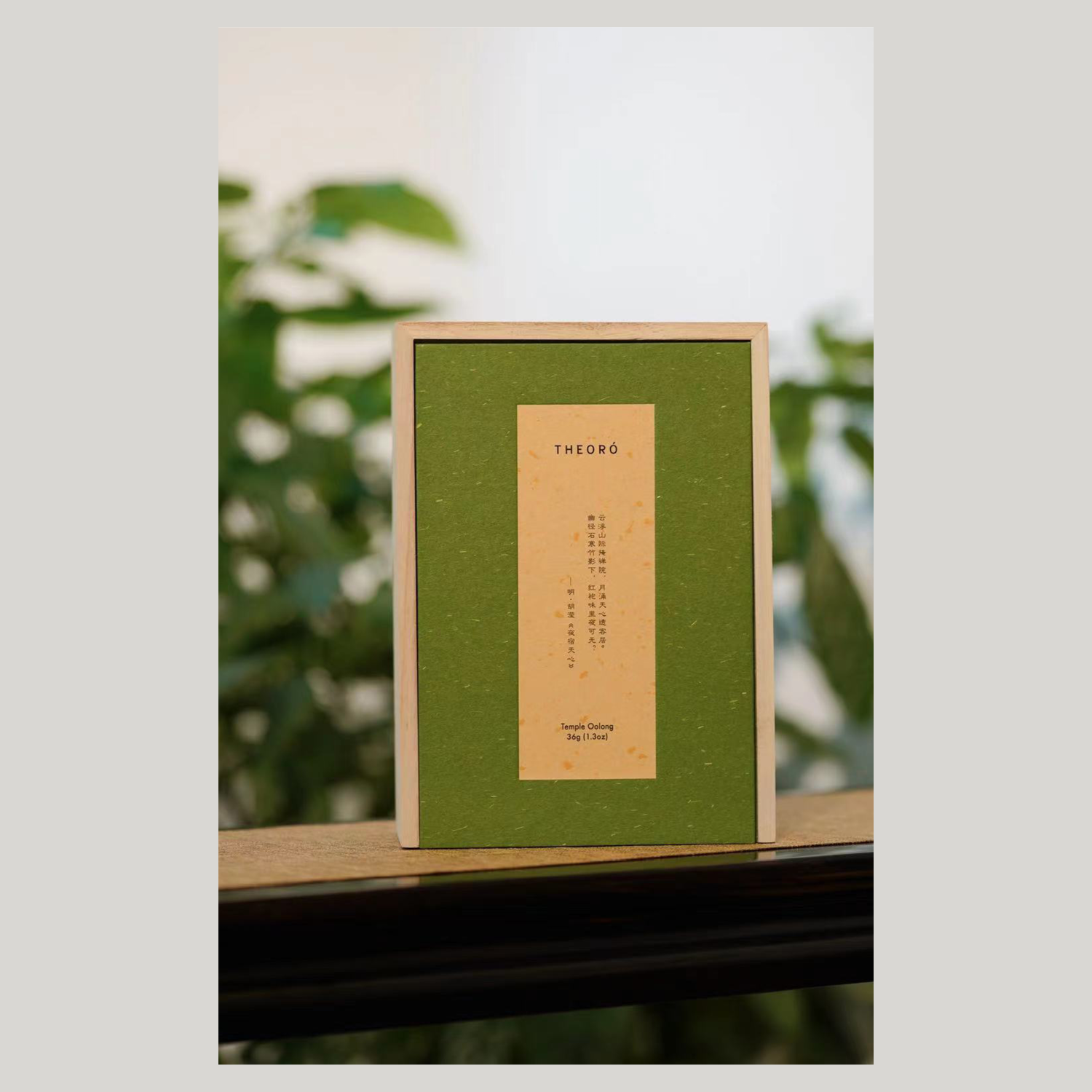 Image 5 of 11
 Image 6 of 11
 Image 7 of 11
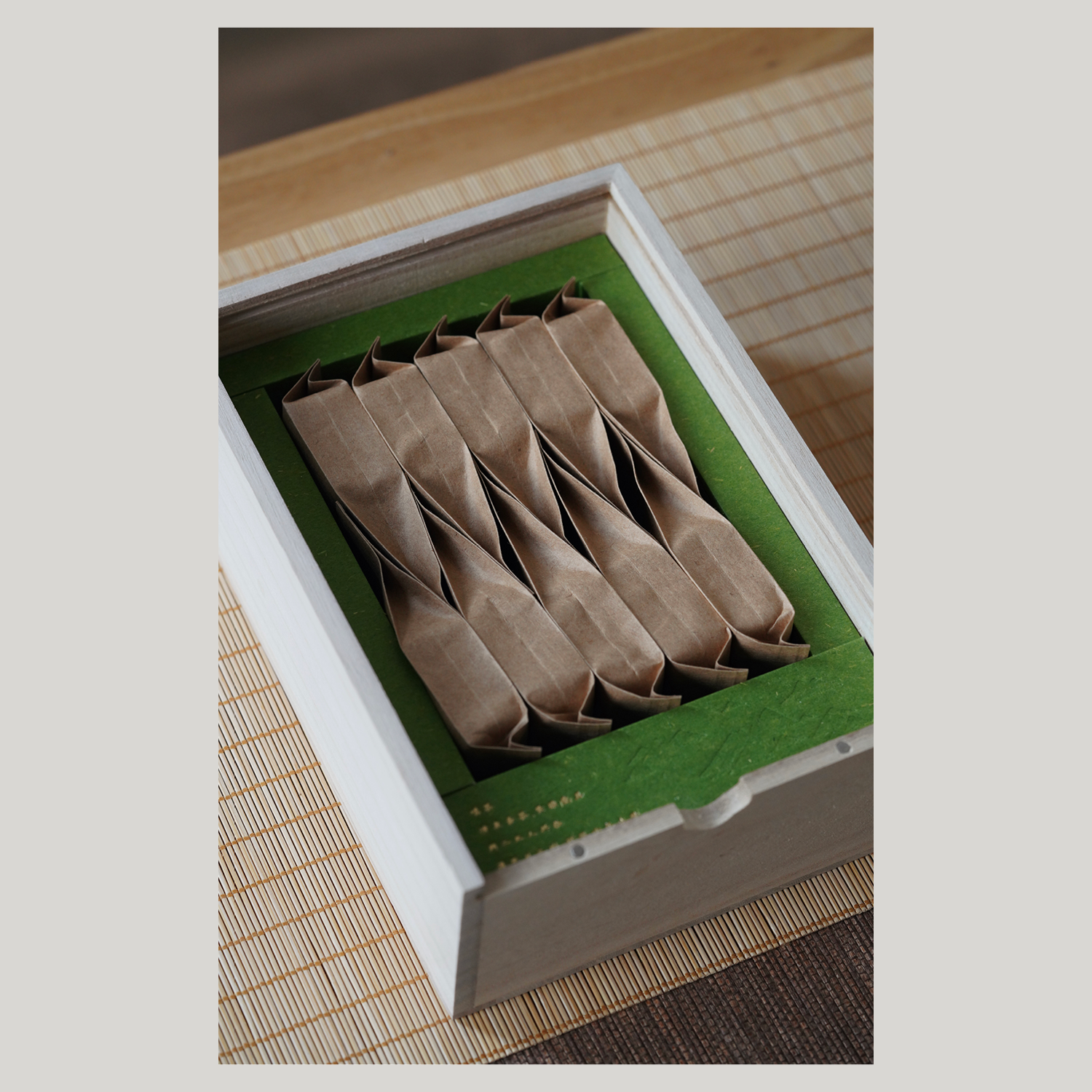 Image 8 of 11
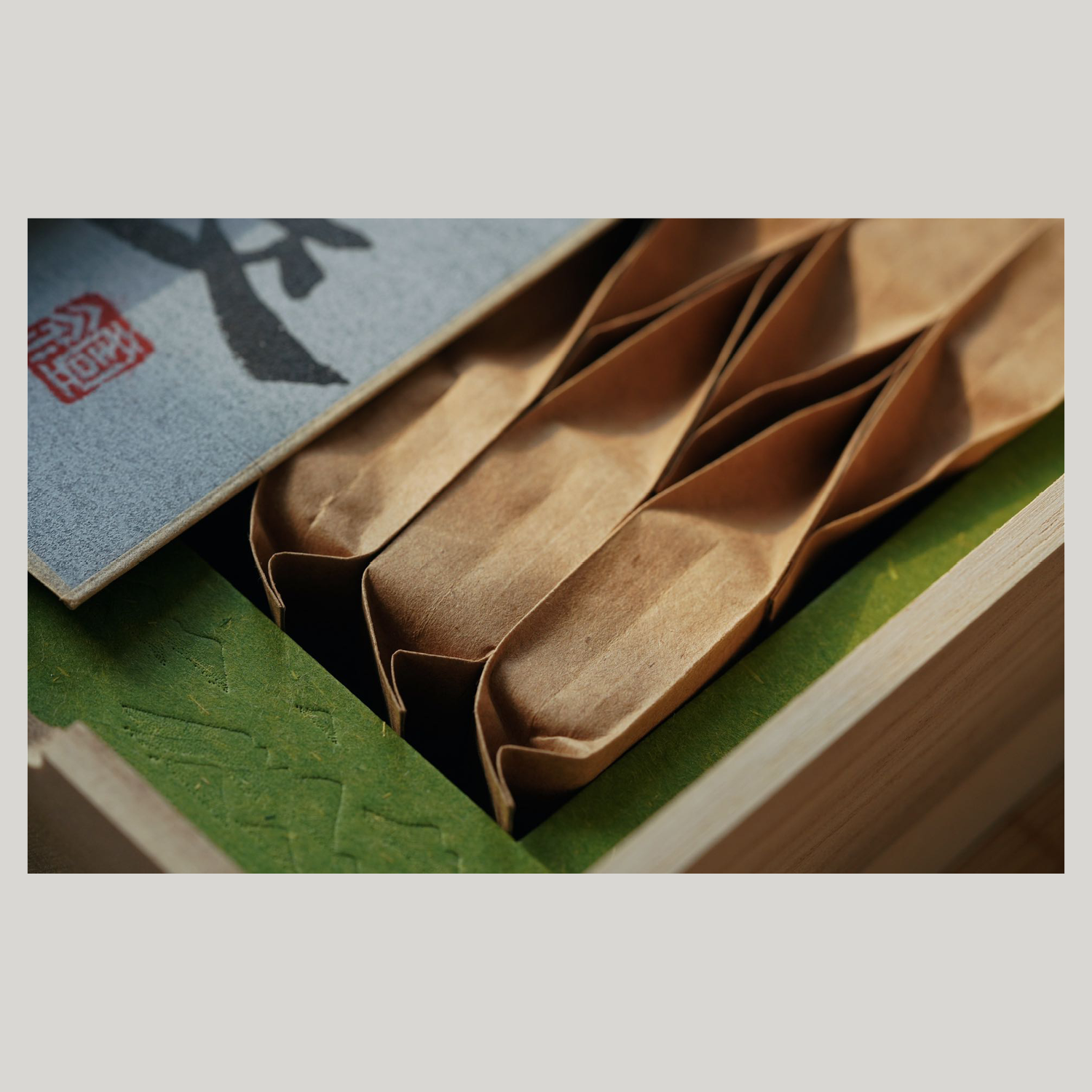 Image 9 of 11
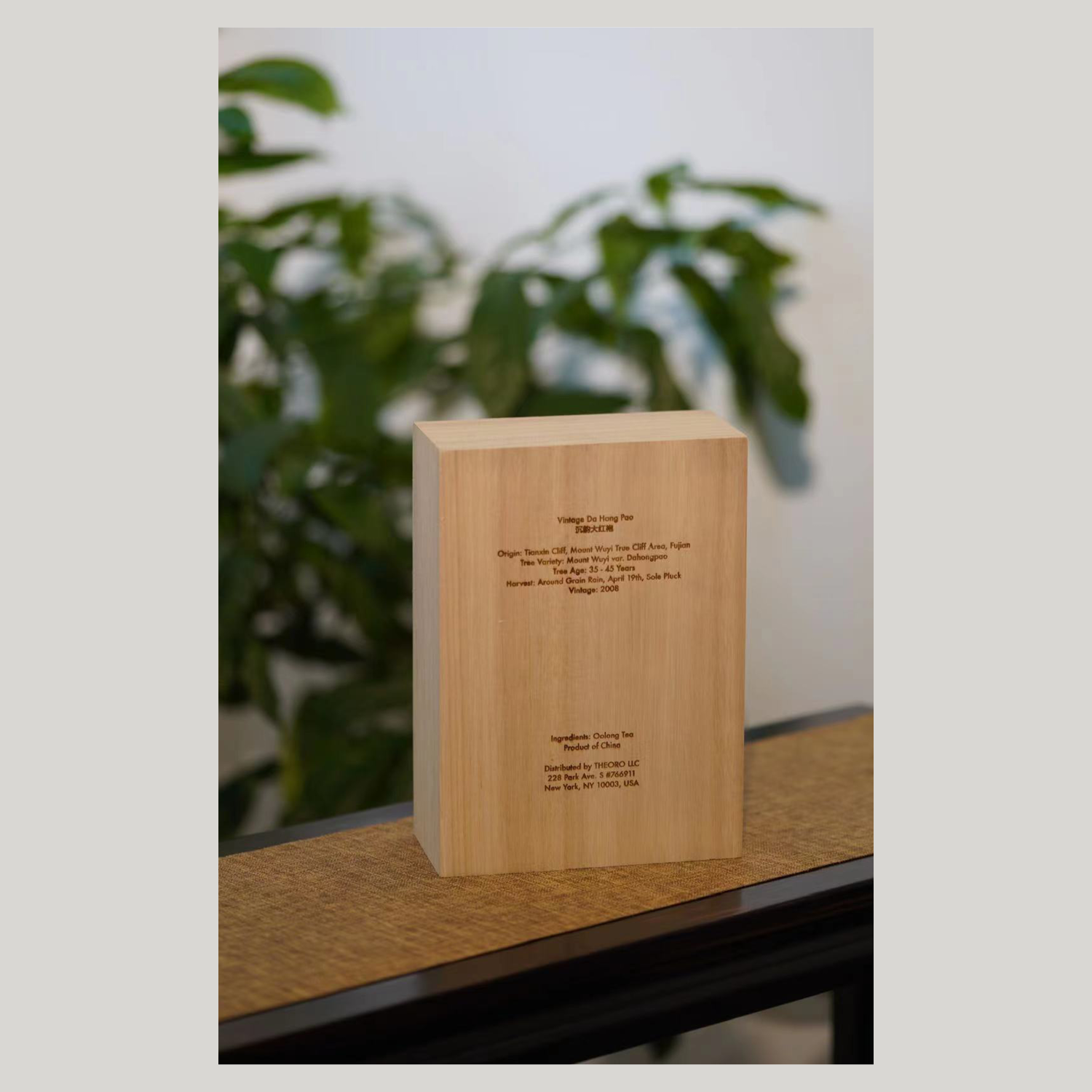 Image 10 of 11
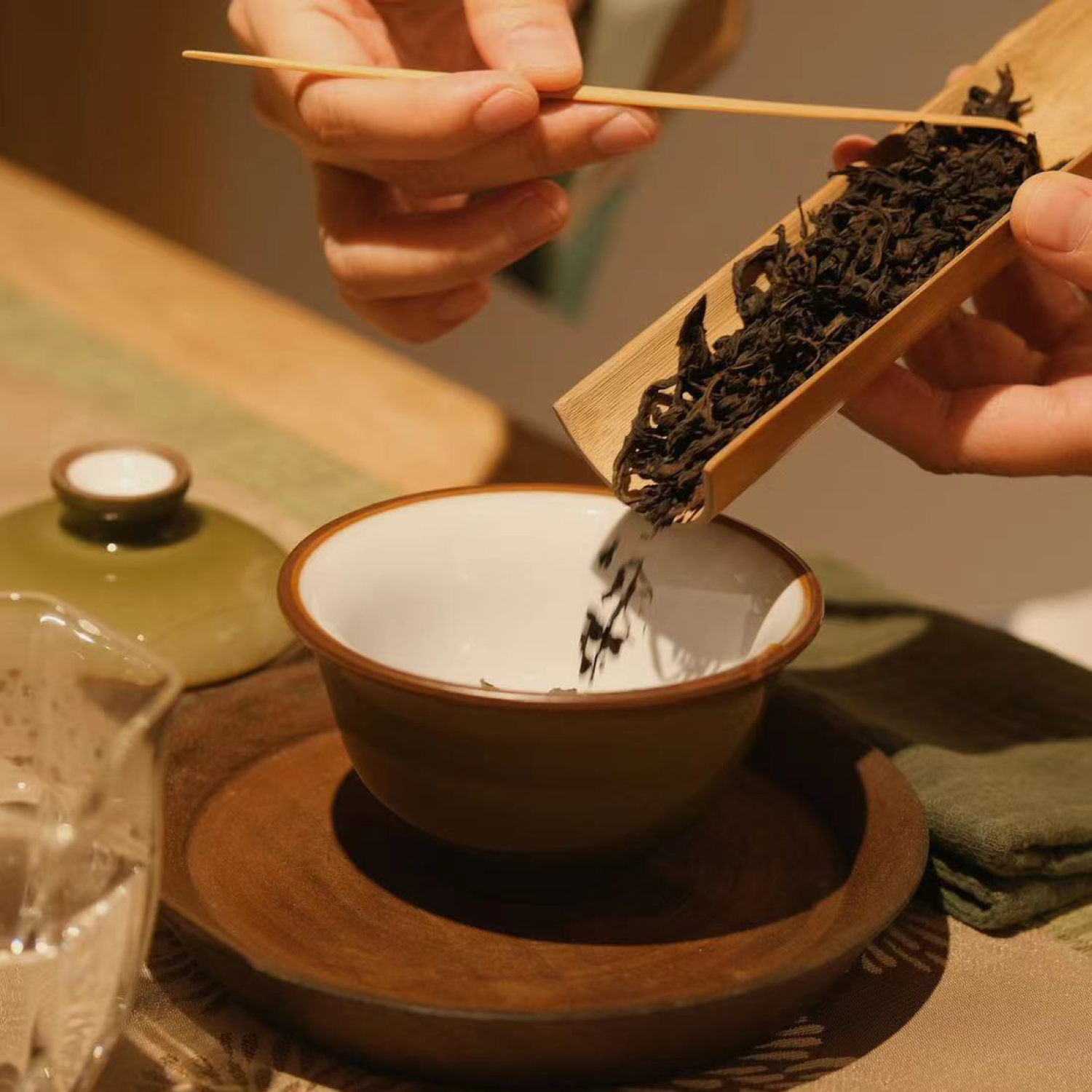 Image 11 of 11
Profile
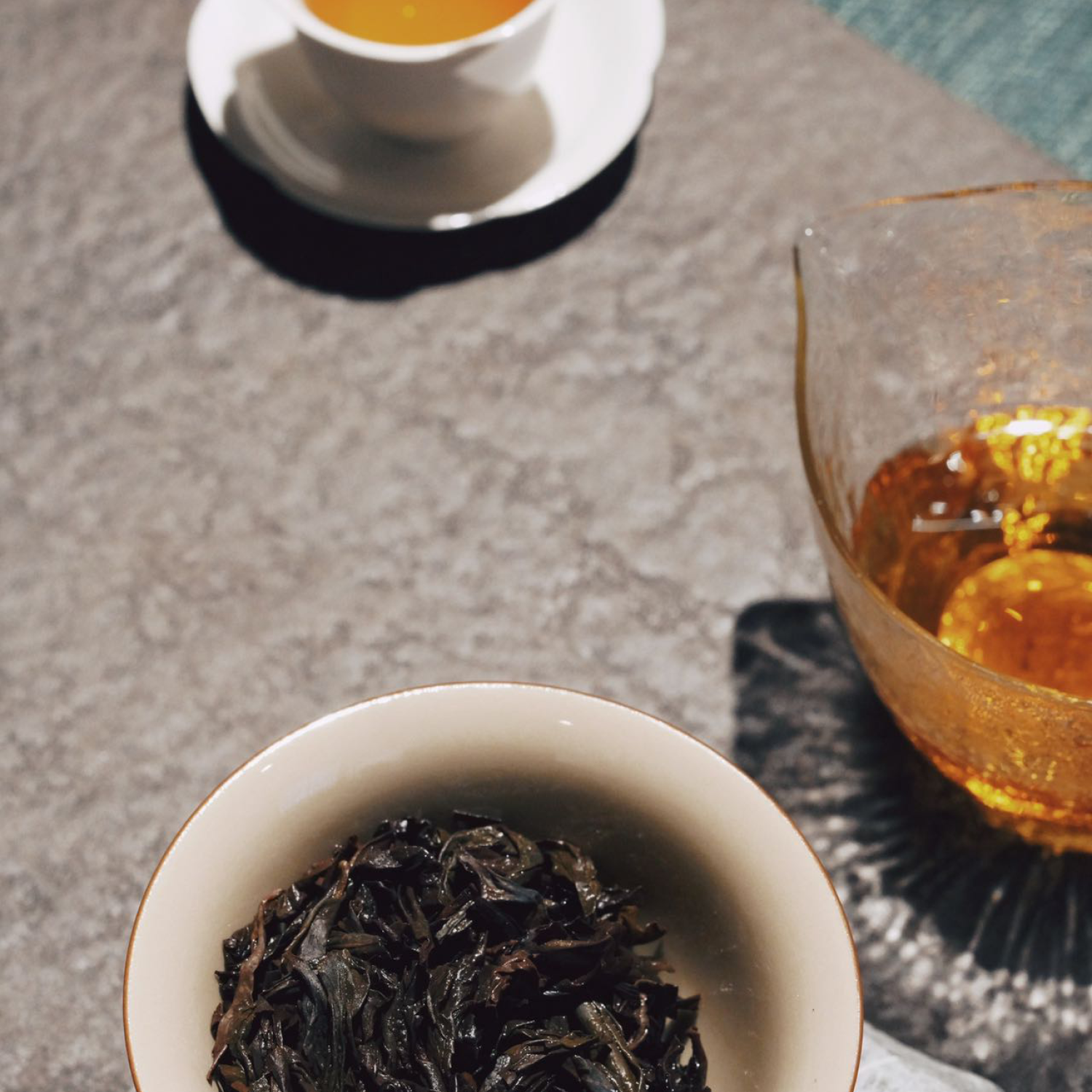
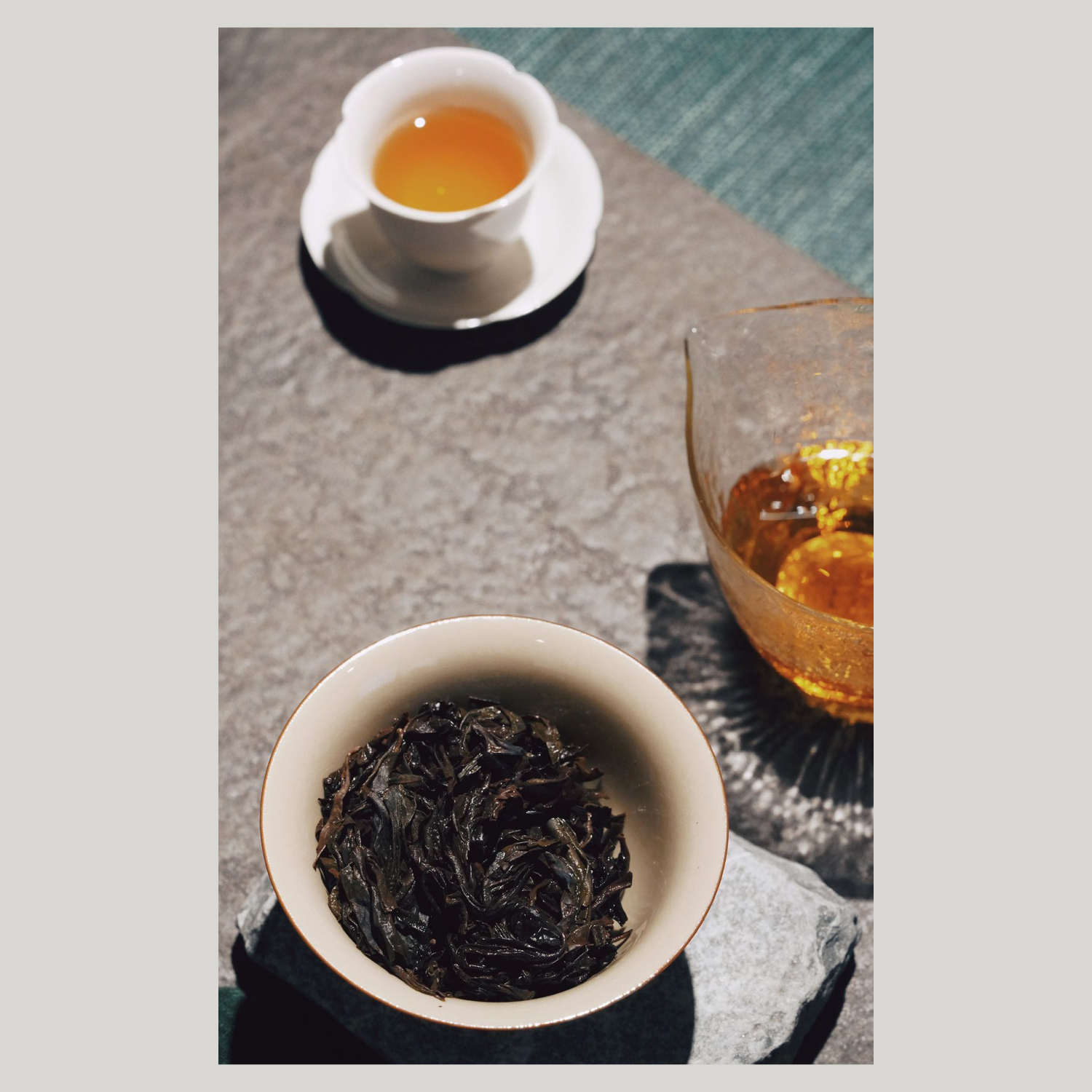
Aroma: Petrichor, oud, mango, musk
Flavor: Blackcurrant, allspice, vanilla, dark chocolate
Vitality: Velvety mouthfeel, robust, refined floral and fruity lingering
Mood: Leadership, generosity, noble
enjoyment
-
Water: Spring water or purified water.
Temperature: Approximately 212°F (100°C).
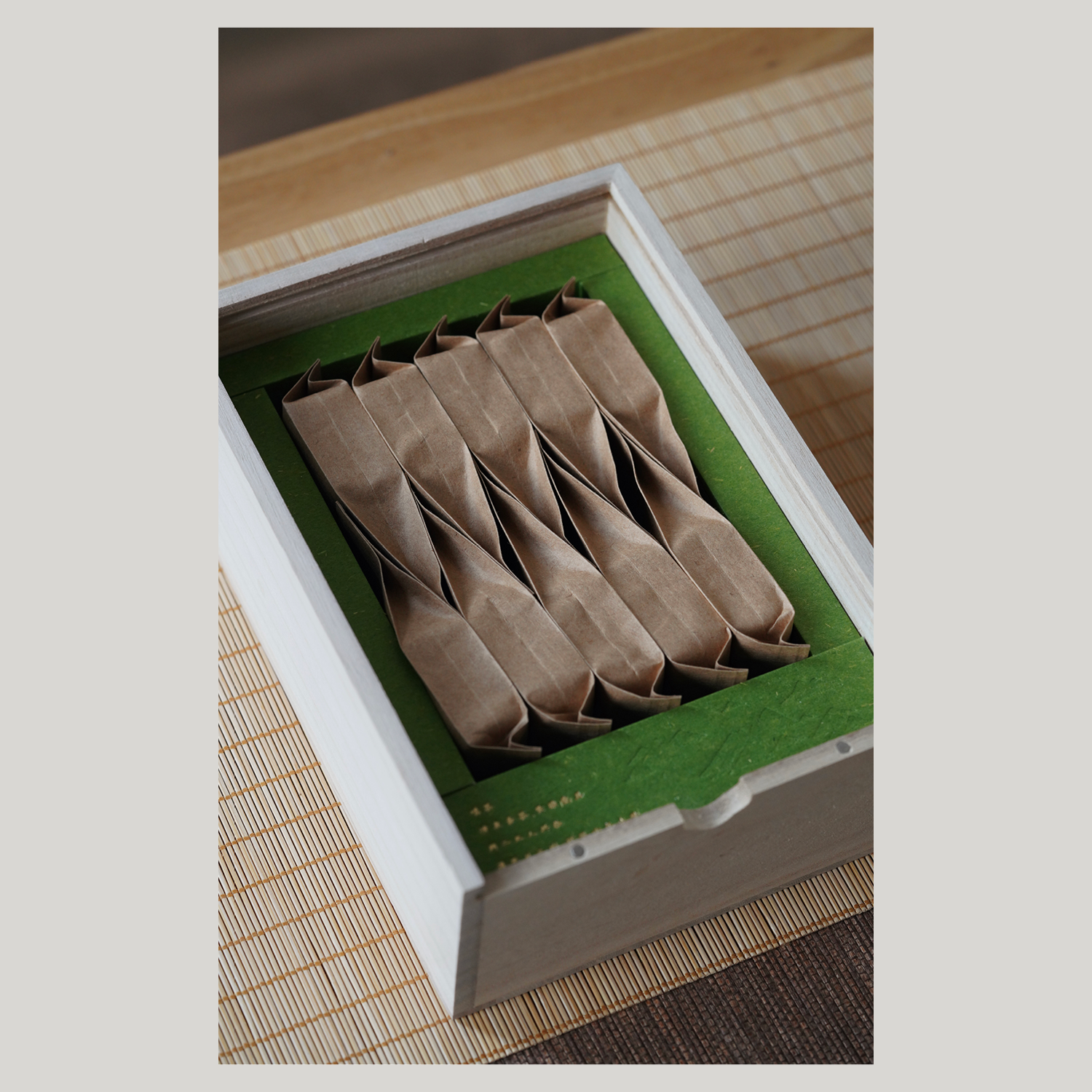
Tea-to-Water Ratio: 1 packet of tea per 1/2 cup of water for each infusion.
Tea Ware: Lidded bowl, small teapot, or water bottle with a removable filter.
-
1 ~ 6: Steep quickly, for about 5 seconds each.
> 6 steeps: Adjust steeping time according to personal preference.
-
Servings: For optimal enjoyment, use each packet for 12 ~ 15 infusions throughout the day.
Duration: Best enjoyed within 1 day.
When: Avoid on an empty stomach, and if you're sensitive to caffeine, skip it after dinner.
Frequency: Limit to 1 packet per day.
-
We encourage you to appreciate this tea unaccompanied to fully embrace its essence.
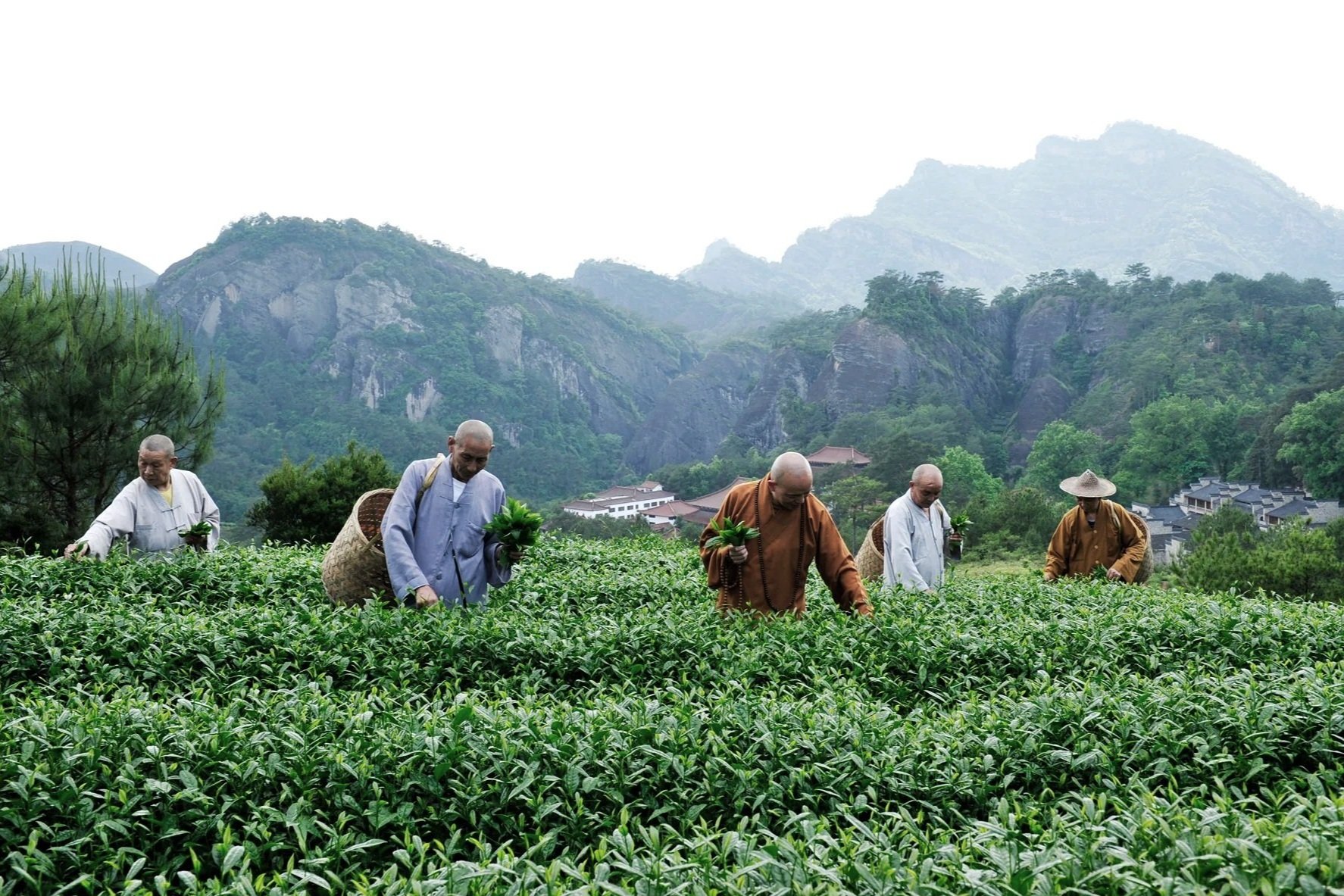
Legacy
From the Nine Dragons’ Lair at Tianxin Cliff, the birthplace of Da Hong Pao, to the stone inscription “Da Hong Pao” left on the rock wall by the monks of Tianxin Yongle Temple, and to the tea makers in Tianxin Village who have passed down their craft for generations, the name “Tianxin” has always been regarded as a symbol of the authenticity of Da Hong Pao. When tracing the connection between “Tianxin” and Da Hong Pao, there is an inseparable bond that is especially profound at the Tianxin Yongle Temple in Wuyi Mountain.
Wuyi Mountain’s Tianxin Yongle Temple was founded during the Zhenyuan (785 to 805 AD) period of the Tang Dynasty and is the largest temple in Wuyi Mountain, one of the eight famous Buddhist mountains in China. Since the Sui and Tang Dynasties, the income of temples across the country, aside from offerings and incense donations, mainly came from self-sustaining agricultural activities. Due to its secluded location with steep cliffs and deep ravines, Tianxin Yongle Temple enjoyed a unique advantage in tea cultivation, surrounded by mist and clouds throughout the year. As a result, tea planting became the temple’s primary source of income.
In the early Ming Dynasty (1368 to 1644 AD), a scholar named Lei Yi from Fujian, on his way to the capital for the imperial examination, fainted from heatstroke near Wuyi Mountain. He was rescued by monks from Tianxin Temple, who treated him with strong tea as medicine to relieve his heatstroke. After successfully passing the examination, Lei immediately returned to Tianxin Temple to repay the monks for saving his life. However, the abbot humbly declined, saying, “It was not I who saved you, but the Tianxin Temple’s tea. You should repay these tea trees instead.” In gratitude, Lei Yi removed his scholar’s red robe and draped it over the tea trees, kneeling and bowing to express his thanks. From then on, the story of the red robe spread far and wide.
After the Jingnan Rebellion (1399 to 1402 AD), Hu Ying (1375 to 1463 AD), a prominent statesman and literary figure in the early Ming Dynasty, visited Wuyi Mountain. A devout Buddhist and tea enthusiast, Hu was captivated by the Tianxin Temple’s tea and personally witnessed the tea-making process by the monks. He also heard the story of the scholar’s gratitude involving the red robe. Upon returning to the capital, Hu Ying brought Tianxin Temple’s tea with him and presented it to the Emperor Yongle (1360 to 1424 AD), who later officially decreed that Tianxin Temple’s tea be named “Da Hong Pao” (Big Red Robe), granted the temple a new name “Tianxin Yongle Temple” and ordered the Temple to “tend the tea carefully, pick the tender leaves, and pass down the craft through generations, with annual tributes sent to the capital.” Hu Ying’s love for the tea is captured in his poem “Spending the Night at Tianxin”:
Clouds drift over the mountain, hiding the Zen temple;
The moon rises from the heavens, illuminating the guest’s abode.
On a quiet path, cold stone lies beneath the bamboo’s shadow;
How could one pass the night without savoring the taste of Red Robe tea?
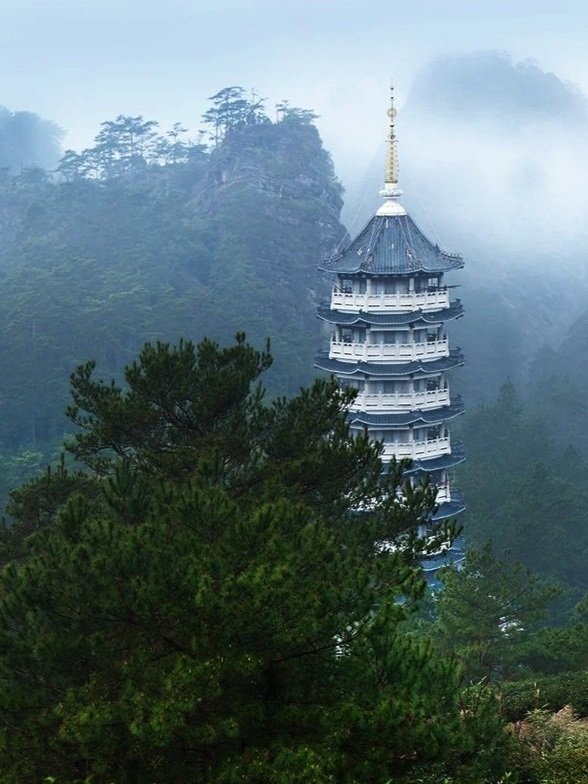
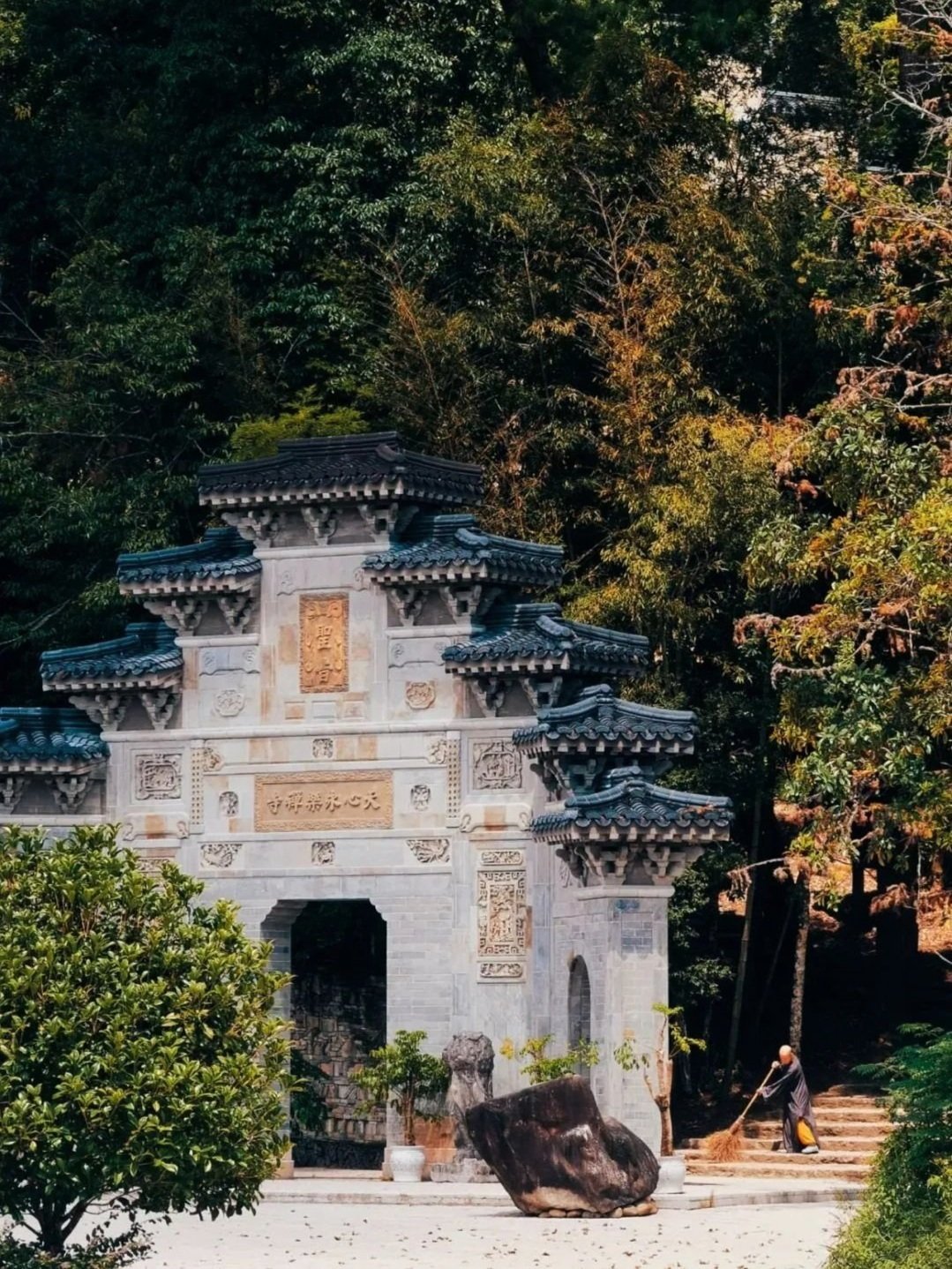
Today, two imperial decree stelae and a pair of stone dragons are still preserved at Tianxin Yongle Temple, bearing witness to this history in which the tea brought fame to the temple, and the temple brought honor to the tea. As a result, “Da Hong Pao” has become synonymous with Wuyi Cliff Tea, its legacy enduring throughout the centuries.
Authenticity
-
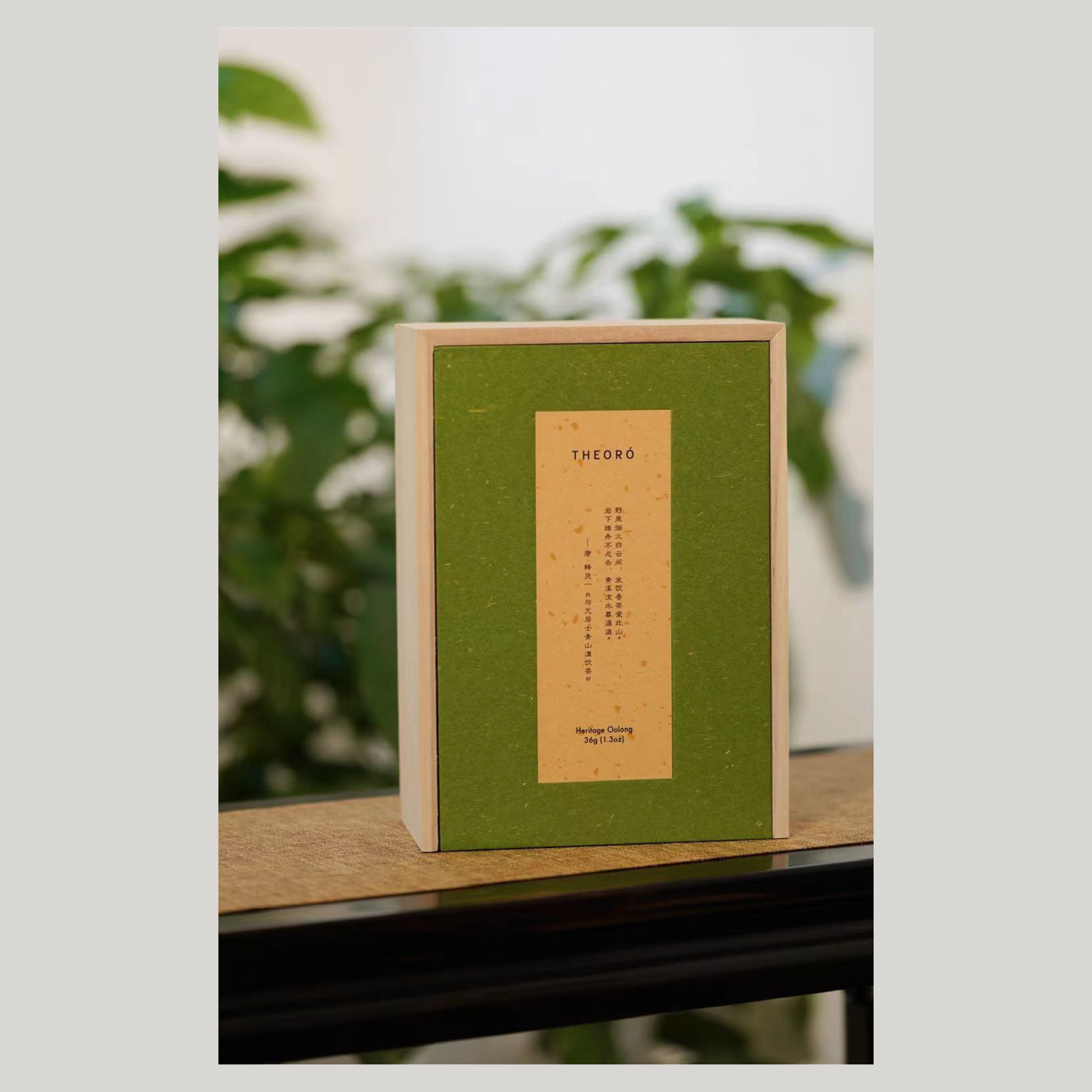
THEORÓ Temple Oolong comes from Tianxin Cliff, crafted by the monks and laypersons of Tianxin Yongle Temple.
-
At the heart of Da Hong Pao’s legend stand the Original Six Mother Trees — ancient tea trees clinging to the cliffs of Wuyi Mountain, their roots anchored in centuries of history. These trees embody the purest expression of Da Hong Pao’s genetic lineage, with their leaves once reserved for emperors, top state officials, and highly distinguished guests. To protect their irreplaceable heritage, all harvesting from the mother trees was officially banned in 2006, ensuring their preservation for future generations. The final harvests now rest safely within the China National Museum, preserving not only the leaves themselves, but also the living story of one of the world’s most revered teas.
Purebred Da Hong Pao represents a direct lineage from the original mother trees of Wuyi Mountain, preserved through careful scientific and agricultural effort. In the early 1960s, researchers at the Chinese Academy of Agricultural Sciences and the Fujian Tea Research Institute successfully propagated cuttings from these historic trees, ensuring their unique genetic traits could be faithfully passed down. In 1985, Da Hong Pao was reintroduced to Wuyi Mountain for broader cultivation. By 2012, it was officially recognized as a Fujian provincial cultivar, having demonstrated stable genetics, adaptability, and consistent quality. Unlike seed-grown tea, which may introduce genetic variation, asexual propagation—using cuttings from the original trees—allows each new plant to maintain the precise characteristics of its parent. Today, this method continues to safeguard the purity and distinct identity of Da Hong Pao, which is why many refer to it as “purebred.”
Commodity “Da Hong Pao” Blend reflects an interpretation of Wuyi Mountain’s legendary six mother trees. As researchers uncovered the distinct genetic relationships among the original trees — finding that trees No. 1 and No. 5 shared one origin, No. 2 and No. 6 another, while trees No. 3 and No. 4 stood apart — they saw an opportunity to honor this natural diversity through thoughtful blending. In the 1990s, as appreciation for Da Hong Pao flourished alongside Wuyi Mountain’s growing economy and tourism, tea artisans began selecting and combining cultivars from various bushes, carefully crafting blends that captured the spirit and complexity of the originals. Through years of refinement, this blending practice allowed a wider audience to experience the essence of Da Hong Pao at a more accessible price.
THEORÓ Temple Oolong uses leaves of the Purebred Da Hong Pao cultivar, propagated asexually from the original six mother trees.
-
THEORÓ Temple Oolong was harvested from trees that were around 20-25 years old in 2008, part of one of the earliest batches of purebred Da Hong Pao cultivar reintroduced and cultivated on Mount Wuyi.
-
THEORÓ Temple Oolong is harvested only once a year, specifically during the spring season, usually around the time of Grain Rain, April 19th.
-
THEORÓ Temple Oolong is from the year 2008, with 17 years of vintage.
Craftsmanship
-
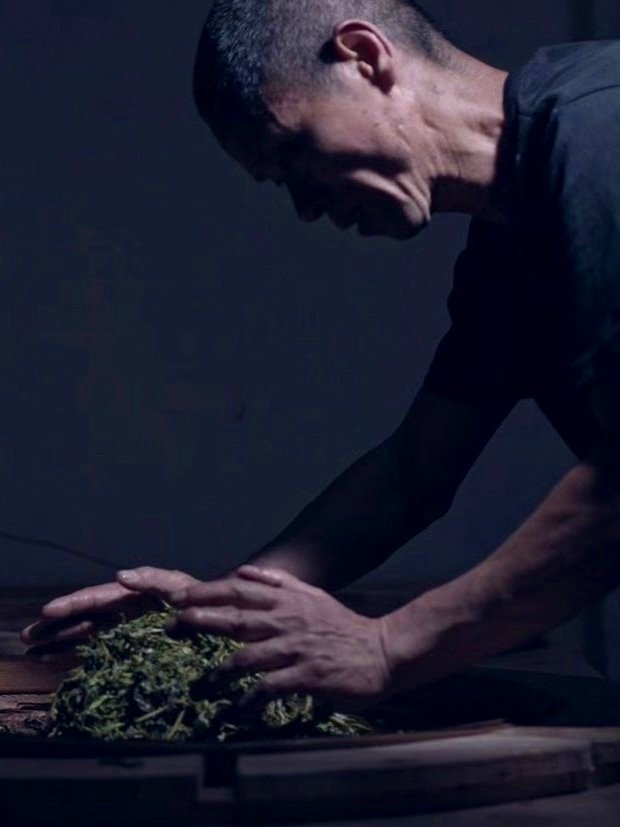
The withering process is when the fresh, firm leaves lose moisture, and become soft and limp after being sun-dried, and it must be done just right. If too much water is lost, the leaves become “dead leaves,” but if insufficient moisture is released, it affects the next stage of processing.
In short, “flipping the leaves without damaging them” is the key, proper technique is essential, and judging the right timing and controlling the degree of withering are the soul of the process.
-
The sculpting of Da Hong Pao involves mainly shaking the tea leaves. This is the key process that determines the quality of Da Hong Pao, and it also requires the highest level of skill. The phrases "observe the leaves to make the tea" refer to the process of moisture loss and oxidation happening simultaneously. Controlling the extent of moisture loss and the rhythm of oxidation is crucial to producing a good tea. Whether looking at the variety, the thickness, size, or firmness of the leaves, what is ultimately being observed is the water. As moisture evaporates, different aromas emerge, and subtle changes occur in the leaves, such as softening, color turning from green to red, the sound of the shaking becoming muffled, and changes in the shape and texture of the leaves.
As long as the "three reds and seven greens" color pattern and the "spoon shape" are achieved during the normal process, the desired qualities will naturally develop in the tea.
-
The fixation of Da Hong Pao involves mainly pan-roasting. This technique uses high temperatures to stop oxidation and stabilize the quality of the tea. At the same time, the high temperature helps further eliminate the low-boiling-point grassy odors from the original aromatic components, allowing the higher-boiling-point floral and fruity aromas to become more prominent. Under these heat conditions, new aromatic compounds may also form.
-
After completing the fixation process, the tea leaves are removed from the pan while still hot and shaped into strips. During the rolling process, the tea juice is squeezed out and coats the surface of the leaves, promoting the mixture and interaction of the internal substances and facilitating some degree of transformation. This process enhances the richness of the tea liquor.
-
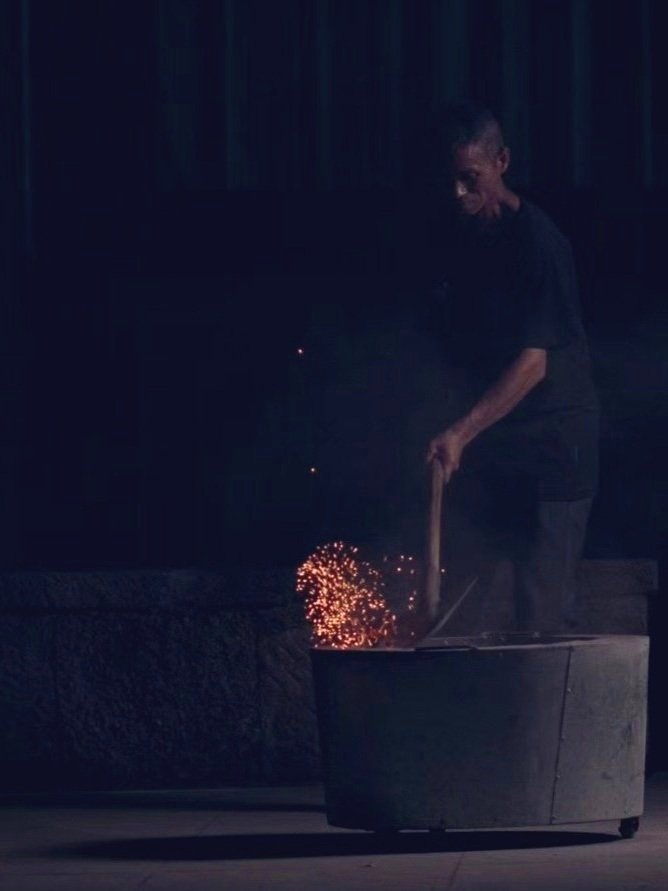
A high-temperature roasting method is used to quickly remove moisture from the tea leaves until 60-70% dry. Visible open fire may be used, but without direct flames.
-
The leaves then placed outdoors on drying racks overnight.
-
Afterward, the tea master removes the stems the next morning.
-
Roasts the leaves again until fully dry. The technique of double sorting and double roasting using “charcoal fire” is a skill that current machine-based tea production methods cannot easily replicate.