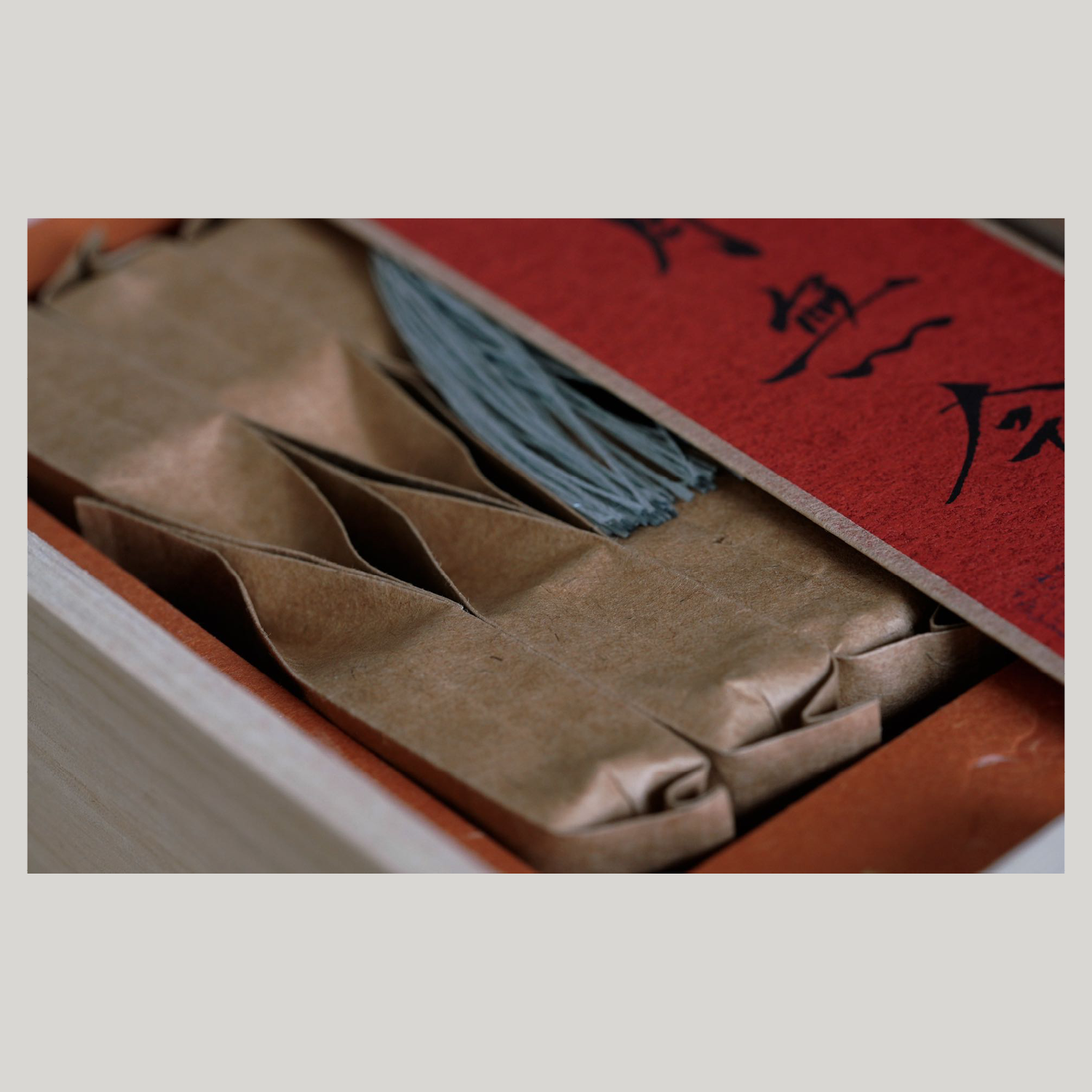
Image 1 of 8
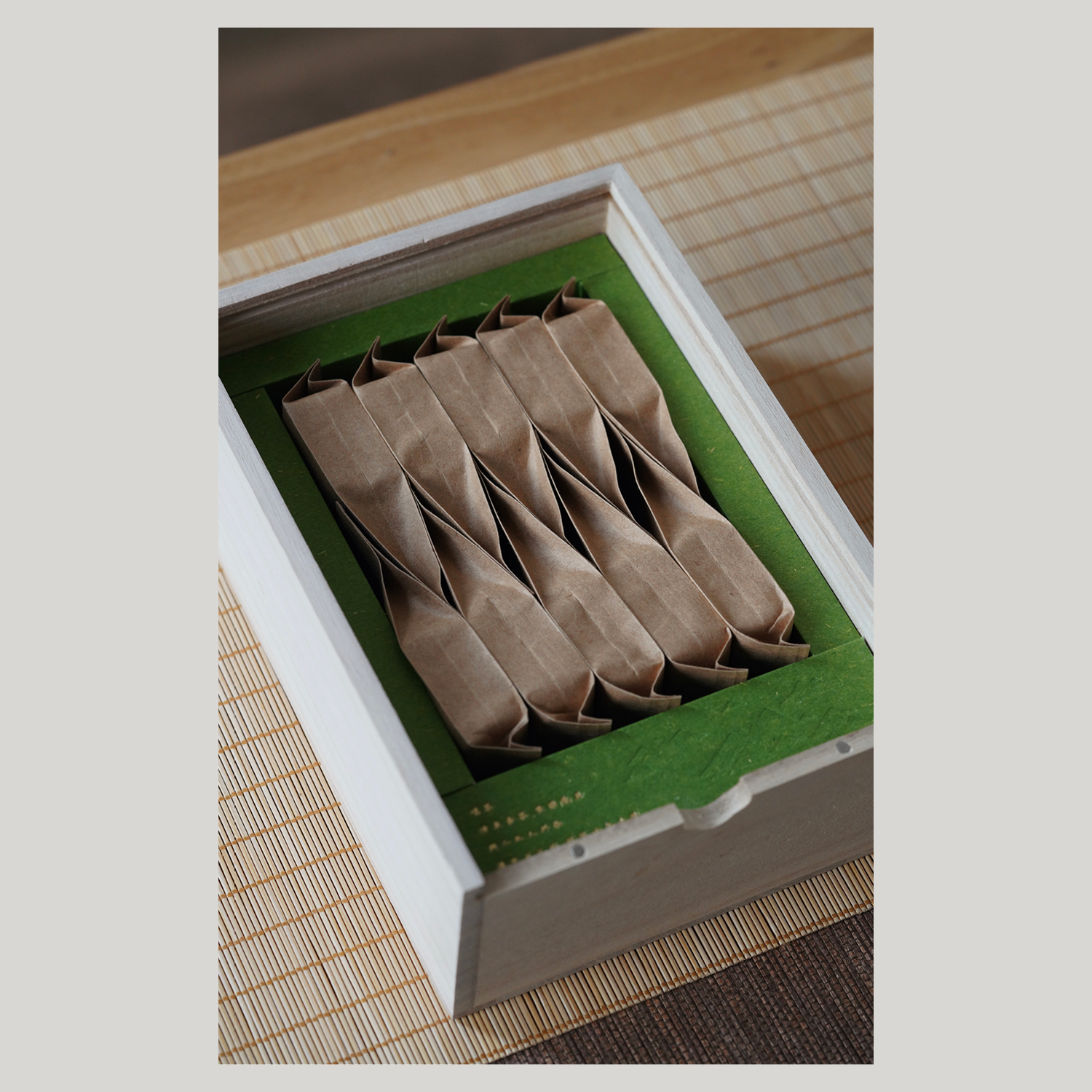
 Image 2 of 8
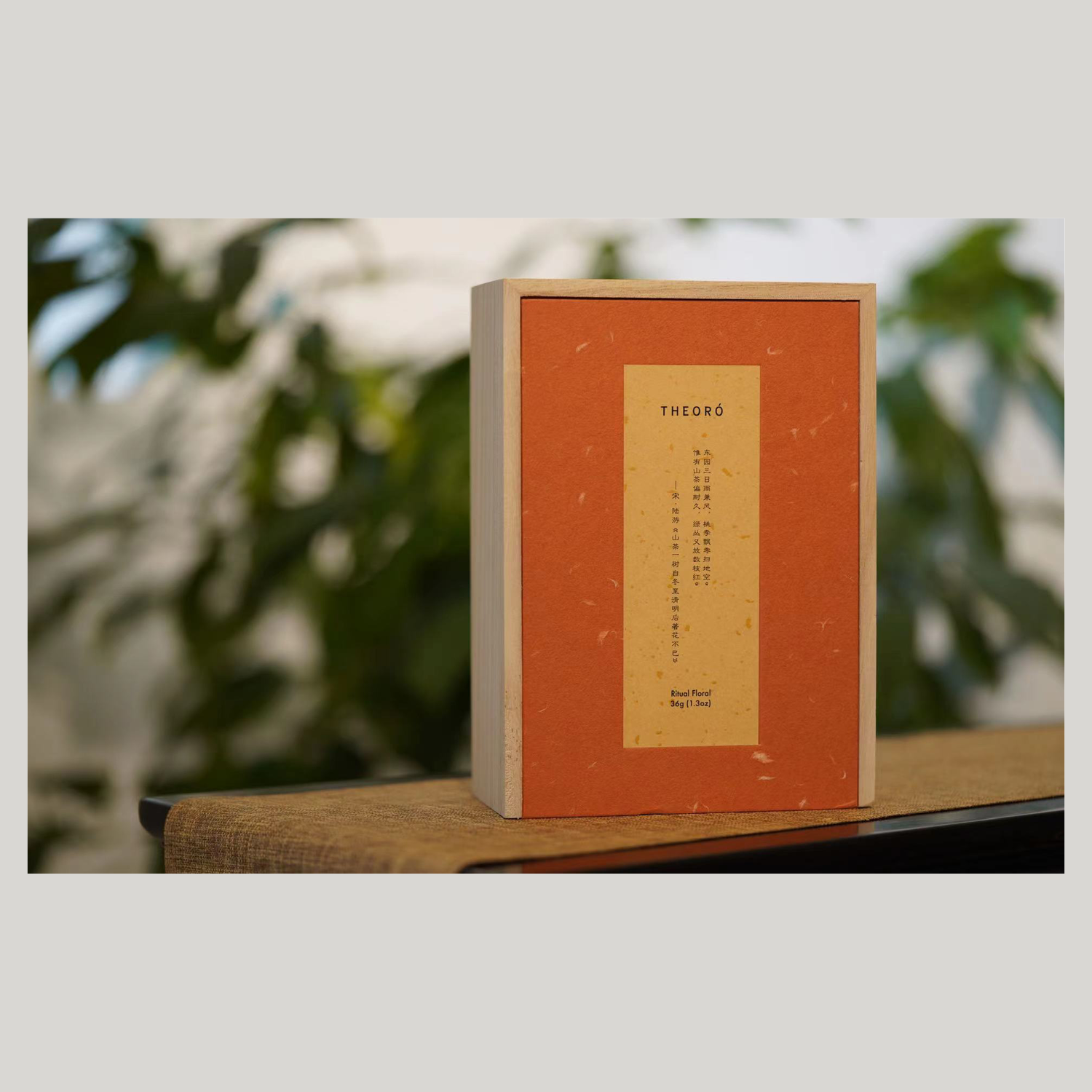 Image 3 of 8
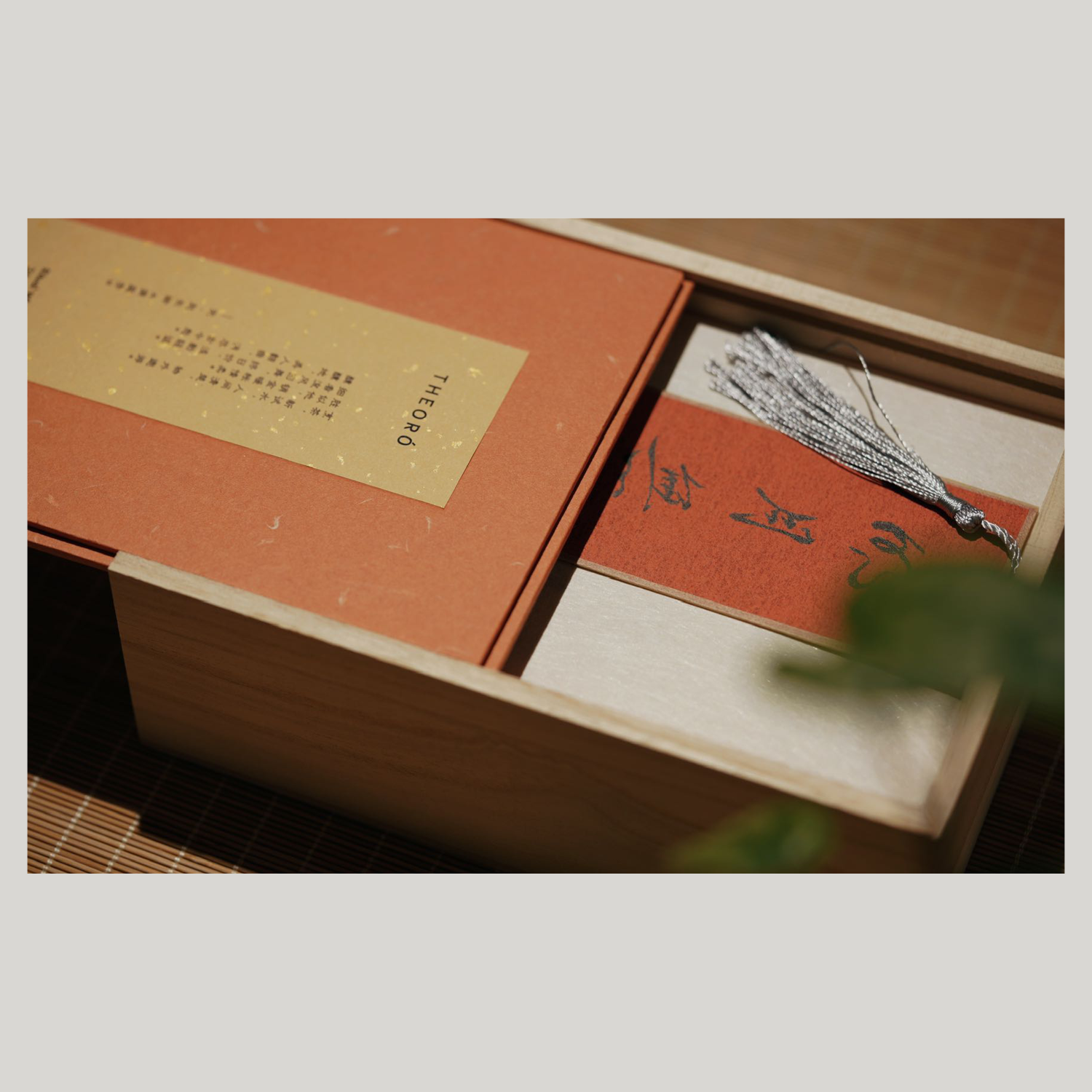 Image 4 of 8
 Image 5 of 8
 Image 6 of 8
 Image 7 of 8
 Image 8 of 8
Profile
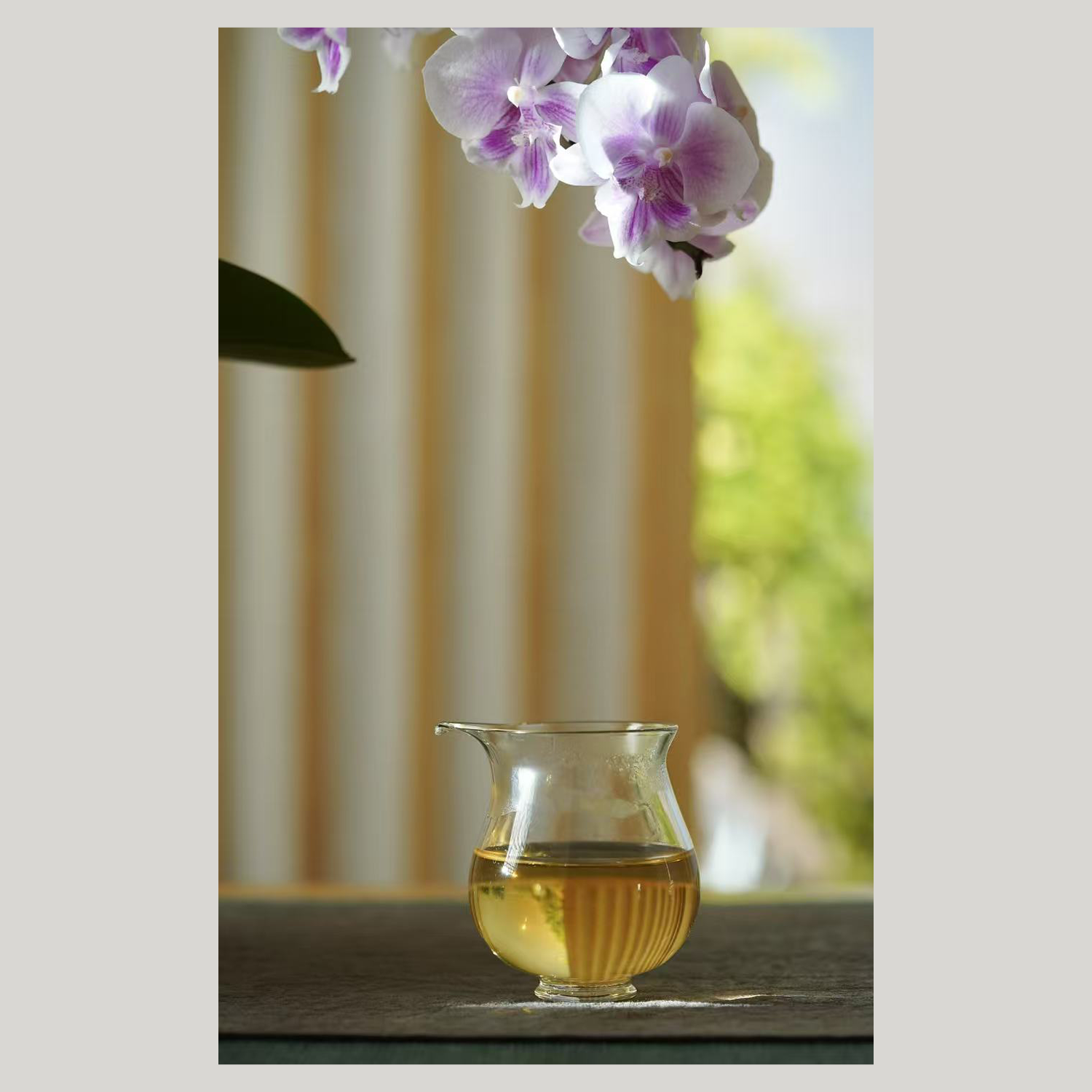
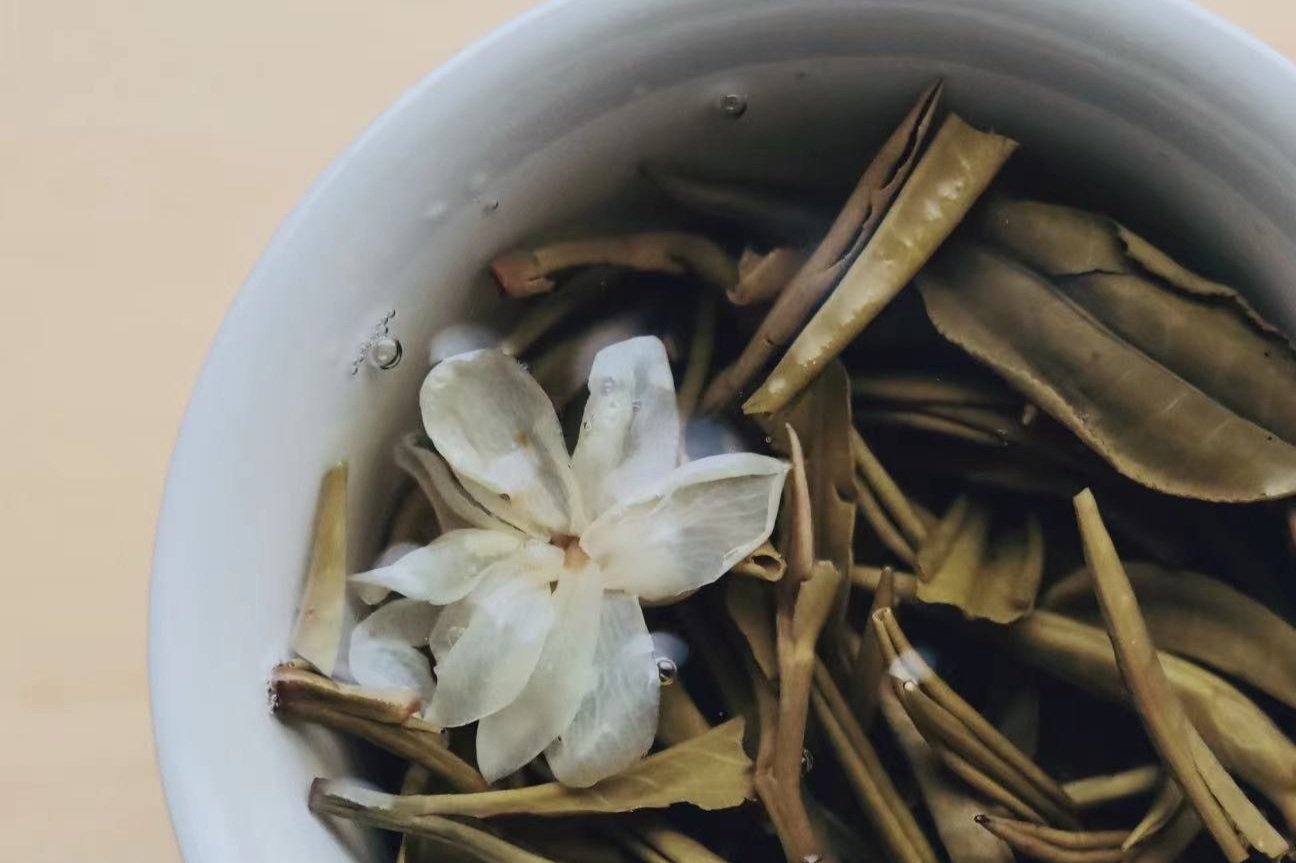
Aroma: Spring in a cup, jasmine flower, magnolia flower
Flavor: Elderflower, nectar, raw almond
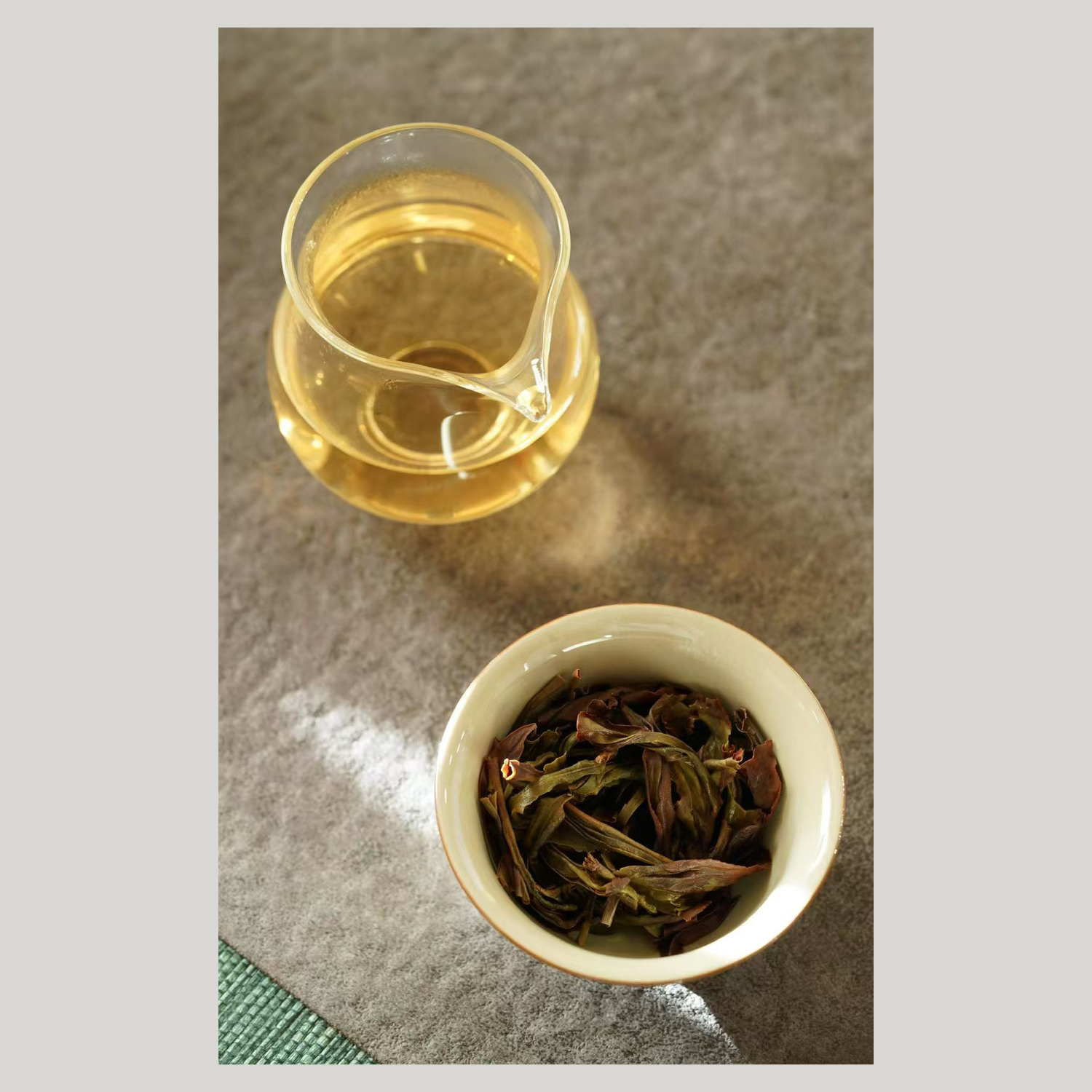
Vitality: Crisp mouthfeel, rich fragrant, floral-sweet lingering
Mood: Elation, pure, refreshing
enjoyment
-
Water: Spring water or purified water.
Temperature: Approximately 190°F (88°C).
Tea-to-Water Ratio: 1 packet of tea per 1/2 cup of water for each infusion.
Tea Ware: Lidded bowl, small teapot.
Note: The recommended tea-to-water ratio and tea ware above are for the Gongfu brewing method. However, you can also use a more Western-style vessel, such as a large teapot, French press, or a water bottle with a removable filter. Simply match the water amount to the size of your chosen vessel.
-
1 ~ 6: Steep quickly, for about 10 seconds each.
7 ~ 9: Steep for about 15 seconds each.
> 9 steeps: Adjust steeping time according to personal preference.
Note: When using a Western-style vessel, adjust the steeping time based on the amount of water. For example, if you’re using a french press that holds 2 cups of water (4 times the volume of 1/2 cup), extend the brewing time for infusion 1-2 to 30 seconds for the Ritual Floral.
-
Servings: For optimal enjoyment, use each packet for 12 infusions throughout the day.
Duration: Best enjoyed within 2 day.
When: Avoid on an empty stomach, and if you're sensitive to caffeine, skip it after dinner.
Frequency: Limit to 3 packets per week.
Note: When using a Western-style vessel, adjust the number of infusions based on the amount of water. For example, if you’re using a French press that holds 2 cups of water (4 times the volume of 1/2 cup), aim for 3 infusions per packet for the best experience.
-
Light fare such as fresh vegetables, fruits, and sushi perfectly complements this tea. It also pairs elegantly with Asian pastry.
Legacy
Flower tea, also known as “fragrant slices,” varies depending on the type of blossoms used. It includes magnolia tea, osmanthus tea, and zhulan tea, yet when we speak of flower tea, we often mean jasmine tea. In the Southern Song Dynasty, Chen Jingyi’s Quan Fang Bei Zu stated, “Jasmine, brewed with tea or mixed with dangcha, is especially fragrant.” By the Song era, jasmine-scented tea, with flowers enhancing the leaves, had already become widespread, though the detailed craft of scenting tea remains absent in historical texts.
In the Ming Dynasty, Gu Yuanqing’s Tea Manual provided an extensive account of flower tea production: “Osmanthus, jasmine, rose, ginger flower, orchid, orange blossom, gardenia, wood fragrance, and plum blossom can all be used to make tea. When the flowers bloom, pick those that are half-open, full of fragrance, and measure the amount to match the tea leaves. Too many flowers overwhelm the tea’s charm; too few leave it insufficiently fragrant. The right balance is three parts tea leaves to one part flowers. For osmanthus, for example, remove the stems, dust, and insects, then alternate layers of tea and flowers in a porcelain jar. Seal it tightly with paper and bamboo leaves, place it in boiling water, and once cooled, roast it gently. Other flowers follow this method.” The flower tea-making process of the Ming Dynasty was already closely aligned with the modern art of scenting tea.
In the Qing Dynasty, Gu Lu’s Qing Jia Lu recorded: “Zhulan and jasmine flowers, gently swayed by the breeze, are gathered in the flower markets by the mountainside, sold to tea shops for blending with tea leaves.” By the Yongzheng era, jasmine tea from Suzhou and Fuzhou was already popular in northern markets. Northerners preferred jasmine tea partly due to the poor water quality in the region; the rich fragrance of jasmine transformed the brackish, bitter water into something akin to sweet nectar. Moreover, jasmine’s warming and soothing properties made it ideal for the northern climate and particularly refreshing in spring.
For many, jasmine tea is a lingering fragrance in the memory of elders, warm and comforting. In the past, discerning individuals in northern China would rise early, rinse their mouths, and brew a pot of “high tips” before breakfast, a ritual affectionately known as “rushing the dragon’s ditch.” These “high tips” were none other than the fine broken leaves of jasmine tea. Many old Beijingers grew up surrounded by the scent of “high tips,” whether sipping or simply breathing in its fragrance. In the harshest times, people attending movies or listening to Peking Opera would always manage to bring a pot of “high tips” with them. This simple act was a quiet elegance that persisted through the struggles of those generations.
Authenticity
A well-made jasmine tea is unique in that its artistry and floral quality often take precedence over the tea base itself.
Floral tea is composed of two essential elements: the flower and the tea. The base is typically crafted from early spring green tea leaves—carefully dried and stored until summer. Jasmine buds are picked in the afternoon and bloom in the evening, releasing their fragrance only then, making this the ideal window for scenting. The finest blossoms, known as fu hua, are harvested at their most aromatic. In traditional high-grade jasmine tea, the first round of scenting is often done with magnolia flowers to build a rich, floral base, followed by multiple infusions with jasmine. High-quality jasmine tea typically takes about six months to produce. Standard versions undergo three rounds of scenting over three days, while the finest grades—scented six or seven times—require over twenty days for the fragrance to fully permeate the tea leaves, demanding extraordinary time and care.
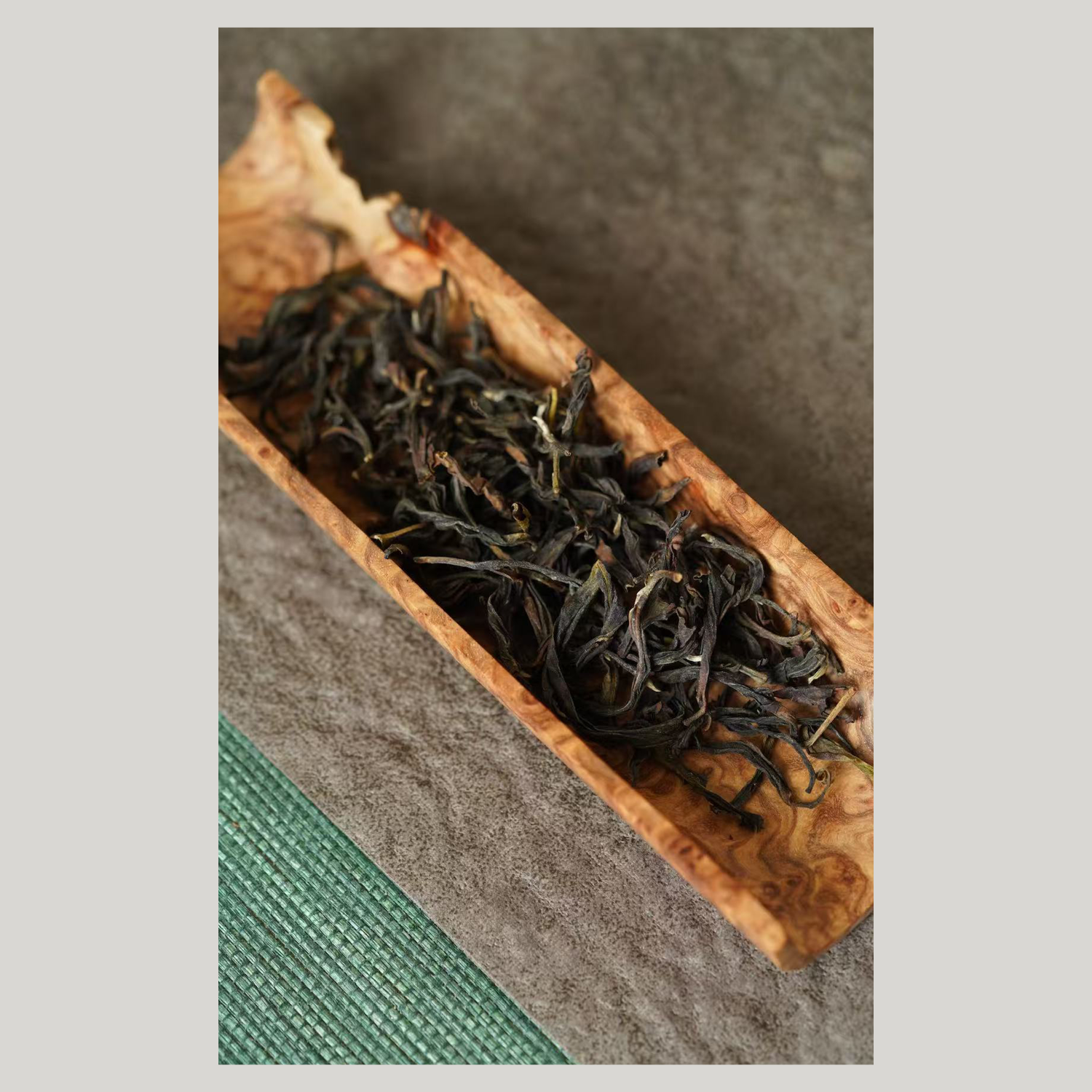
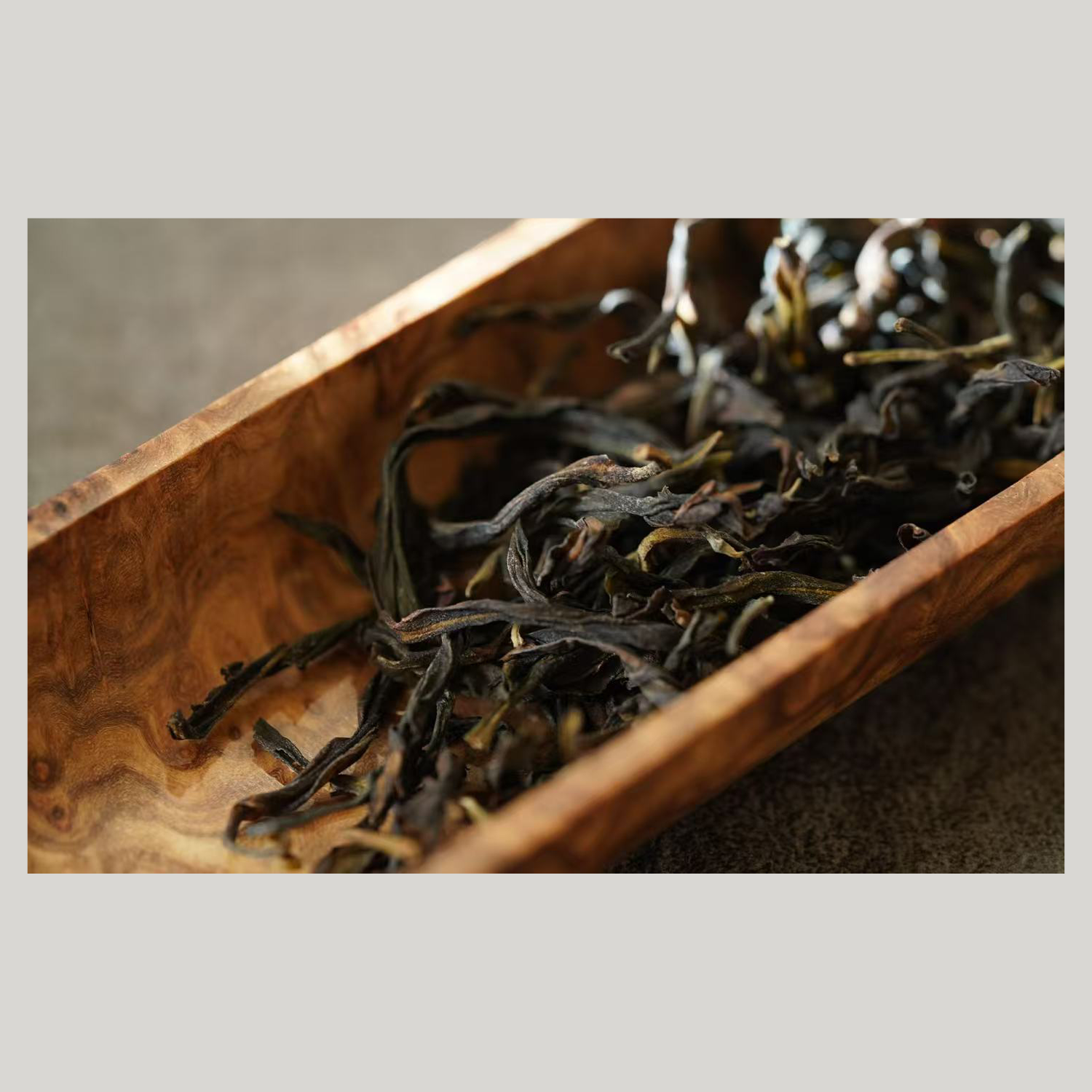
THEORÓ Ritual Floral follows this time-honored method. Its magnolia and jasmine flowers are sourced from Nanning City, Guangxi—widely regarded as the hometown of jasmine in China. The green tea base is crafted from Sichuan Camellia Sinensis var. Zhongye, Mingshan No.131 and Huacha No.1, sourced from young trees under 10 years old. Harvested between the Spring Equinox and Clear and Bright (March 19th – April 3rd) from the misty peaks of Mengding Mountain, Sichuan. This 2024 vintage captures the delicate freshness of early spring and serves as the perfect foundation for this elegant floral tea.
Craftsmanship
-
The journey begins with the foundation: selecting and preparing the tea base, typically an early spring green tea that has been carefully dried and stored until the summer bloom.
-
To effectively enhance the fragrance and concentration of jasmine tea and improve its aroma profile, white magnolia flowers are often used as a base infusing.
This process involves blending the tea leaves with white magnolia flowers first and scenting them once, allowing the tea leaves to absorb the magnolia fragrance, which is called the "base fragrance." The intensity of the white magnolia base must be carefully controlled so that it enhances the tea's aroma without overpowering the fresh and delicate fragrance of the jasmine flowers.
-
During the process of flower infusing, the tea leaves fully absorb the fragrance molecules released by the flowers, creating a harmonious exchange. This results in a perfect fusion of tea flavor and floral fragrance—each enhancing the other in a balanced and complementary way. The tea retains its rich, refreshing taste while embracing the vibrant floral aroma. A single cup of this fragrant blend brings forth the deep connection between the tea and flowers, offering a delightful and immersive experience that leaves one enchanted.
To intensify the fragrance, a second round of scenting is sometimes done, known as “double scenting.” Similarly, scenting the tea three times is referred to as “triple scenting.” After the 1990s, the large-scale adoption of the “wet base continuous scenting” technique became widespread in jasmine tea production. After three rounds of continuous scenting, the tea base’s moisture content can reach up to 22%. This technique reduces the need for drying after each round of scenting and improves the overall quality of jasmine tea.
Special varieties of jasmine tea may undergo as many as six or seven rounds of scenting. The concept of “nine scentings,” however, is mostly regarded as a myth.
This tea went through seven round of flower infusing.
-
After each scenting, the tea is gently air-dried to remove excess moisture, keeping the overall moisture content below 9% while preserving its delicate aroma.
-
Once the jasmine flowers have imparted their fragrance, they are carefully removed to prevent bitterness or fermentation.
-
During the scenting process, the tea leaves absorb both fragrance and moisture. Therefore, after removing the flowers, the tea must be quickly roasted to dry out the moisture in preparation for the final fragrance-enhancing step. It is important to monitor the drying time carefully, as too long of a roast can darken the tea liquor and mute the aroma. The temperature should be kept low to avoid over-roasting.
-
The process of “提花” (enhancing fragrance) is the final step in jasmine tea scenting. It is crucial for boosting the tea’s freshness and liveliness. After the main scenting process, a small quantity of large, full blooms, harvested on a sunny day, is carefully mixed with the tea leaves for an additional round of scenting. This step, known as “提花,” lasts for 6 to 8 hours.
-
These last blossoms are also removed by hand, ensuring only the aroma remains, not the petals themselves.
-
A final air-dry ensures the tea is crisp, clean, and shelf-stable, ready to be enjoyed at its aromatic peak.