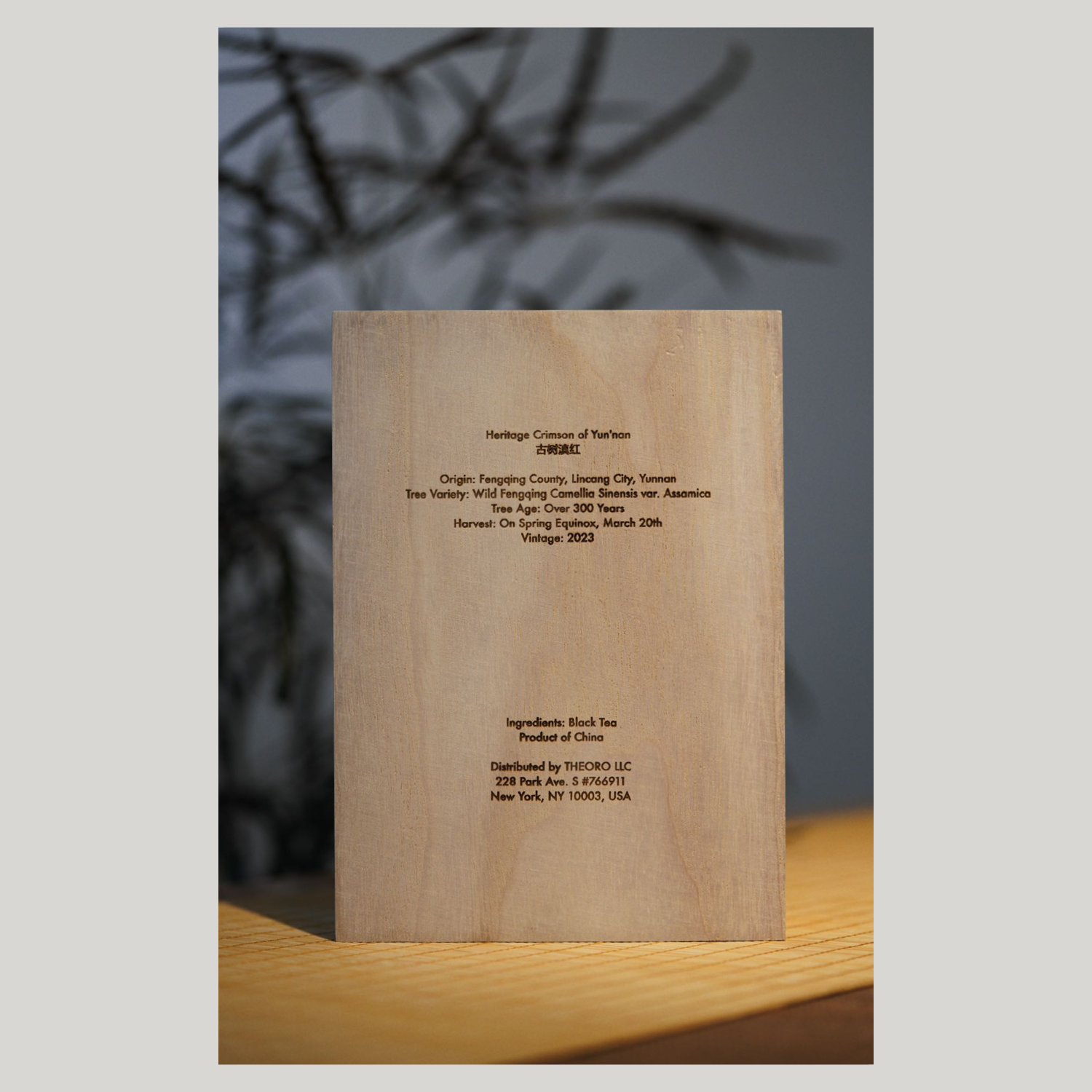
 Image 1 of 13
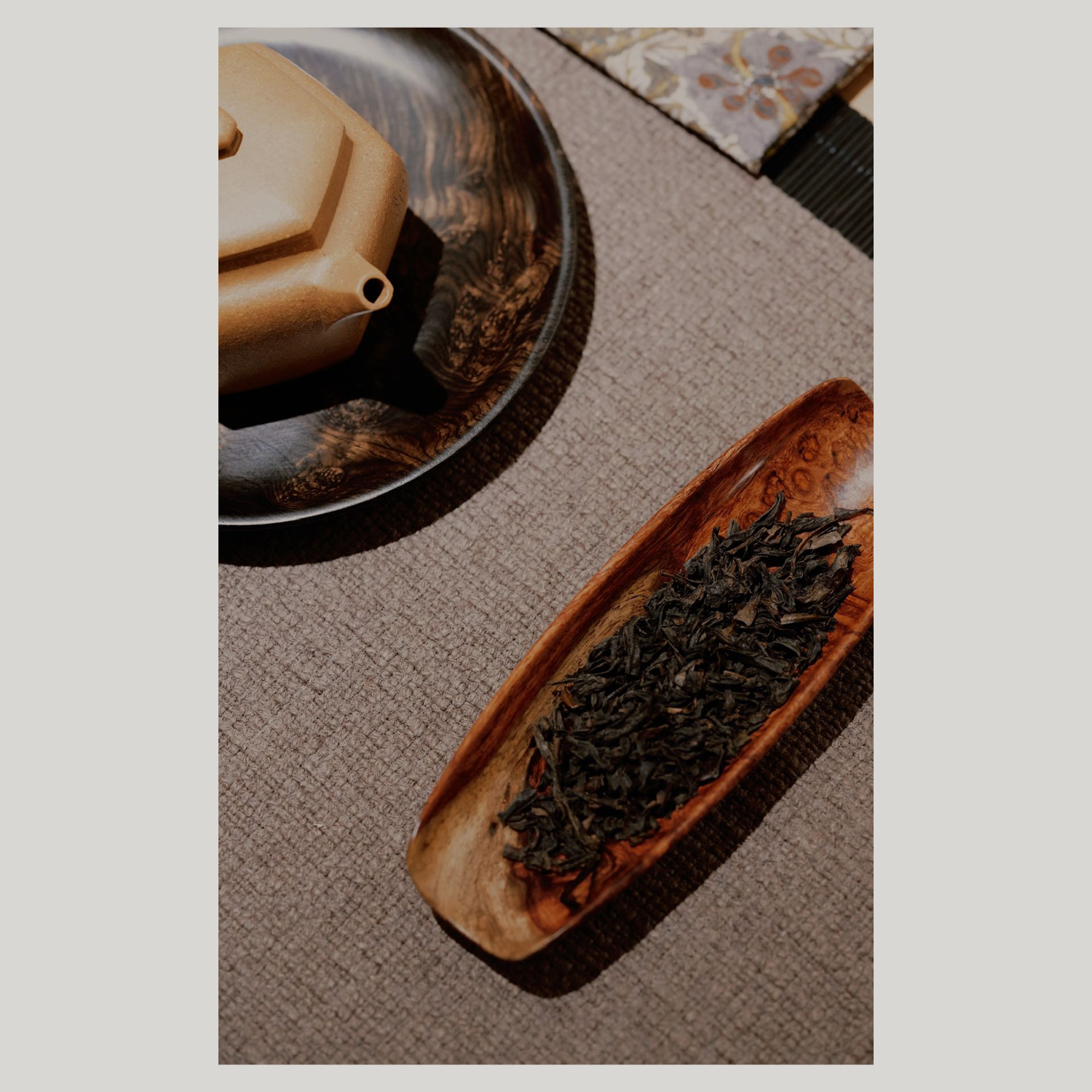
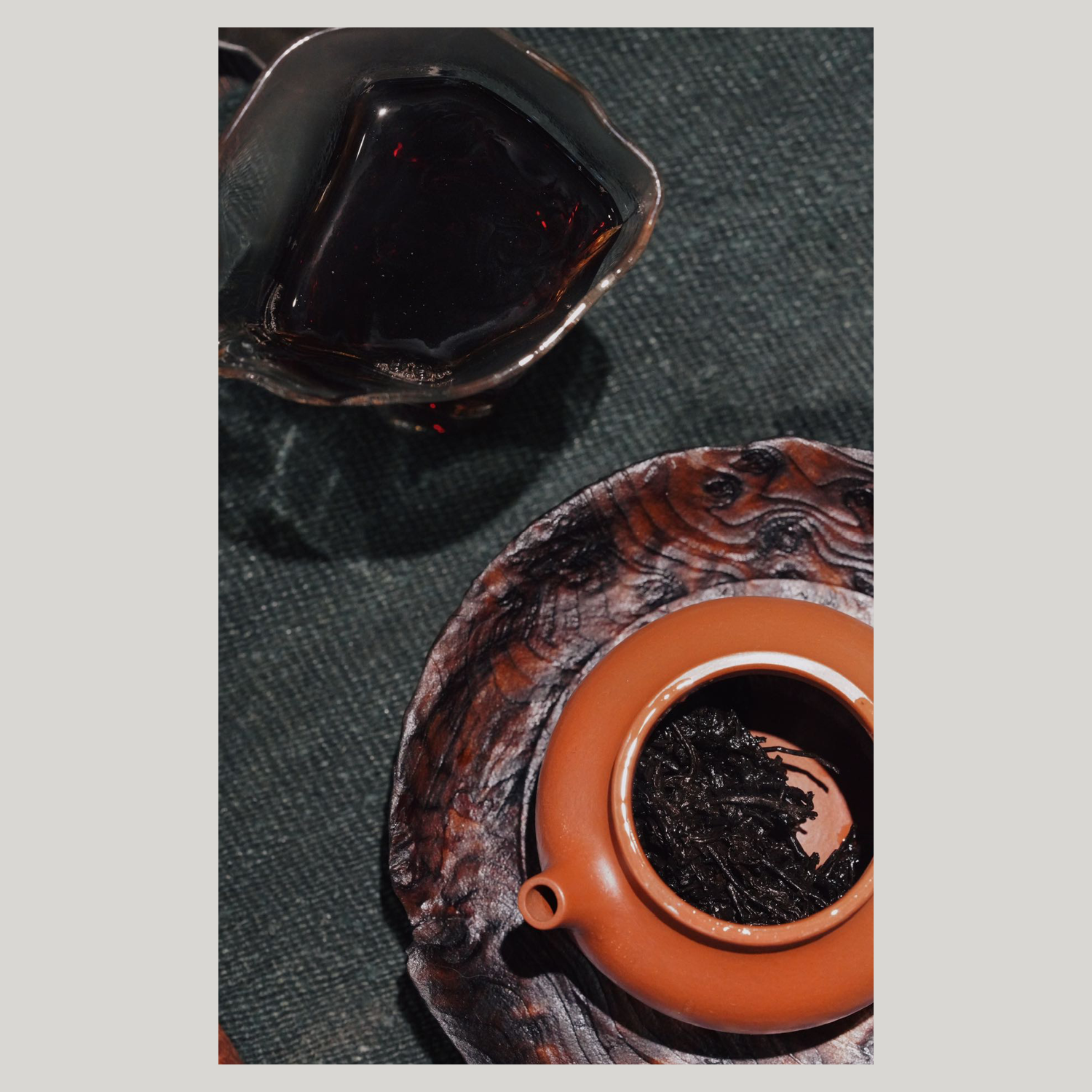 Image 2 of 13
 Image 3 of 13
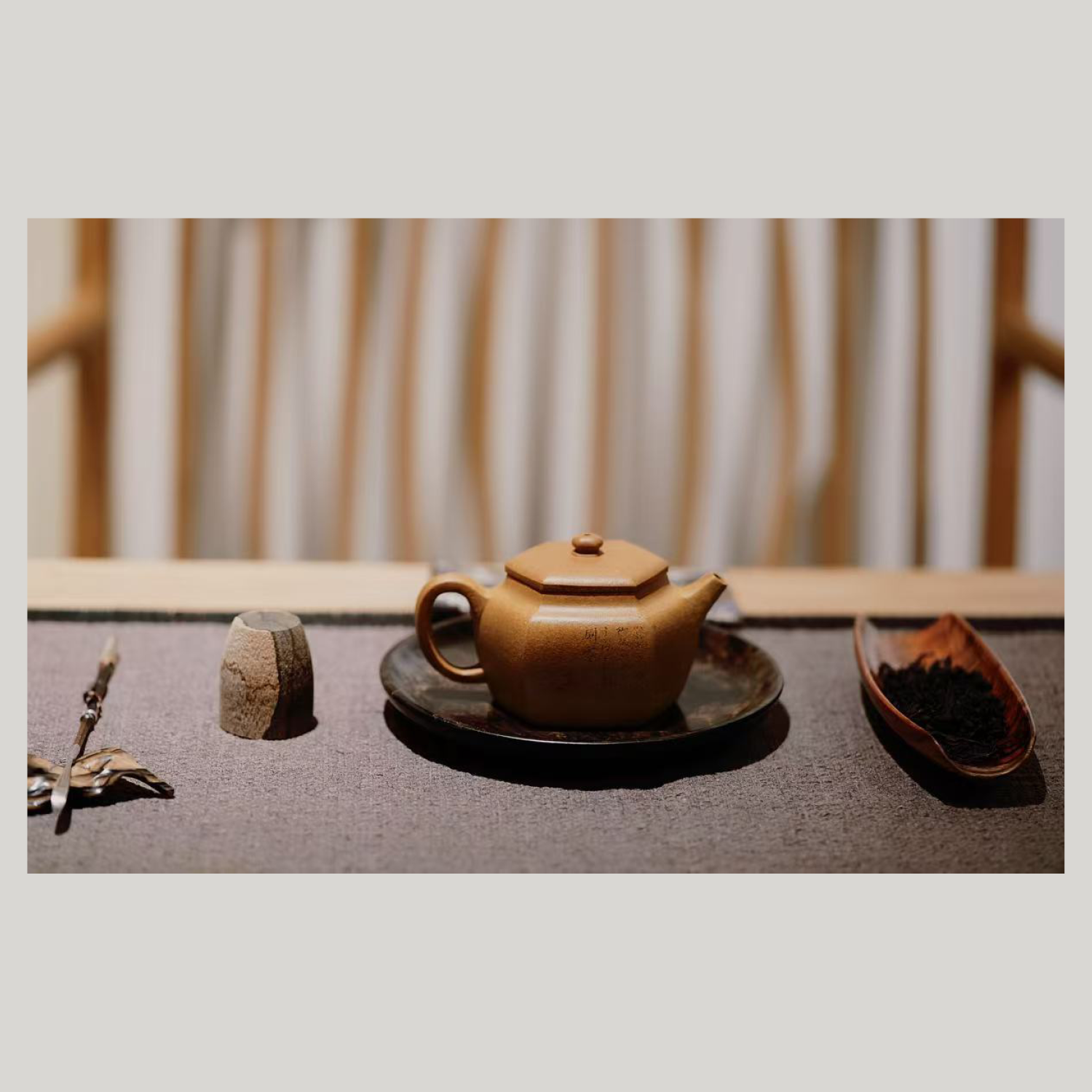 Image 4 of 13
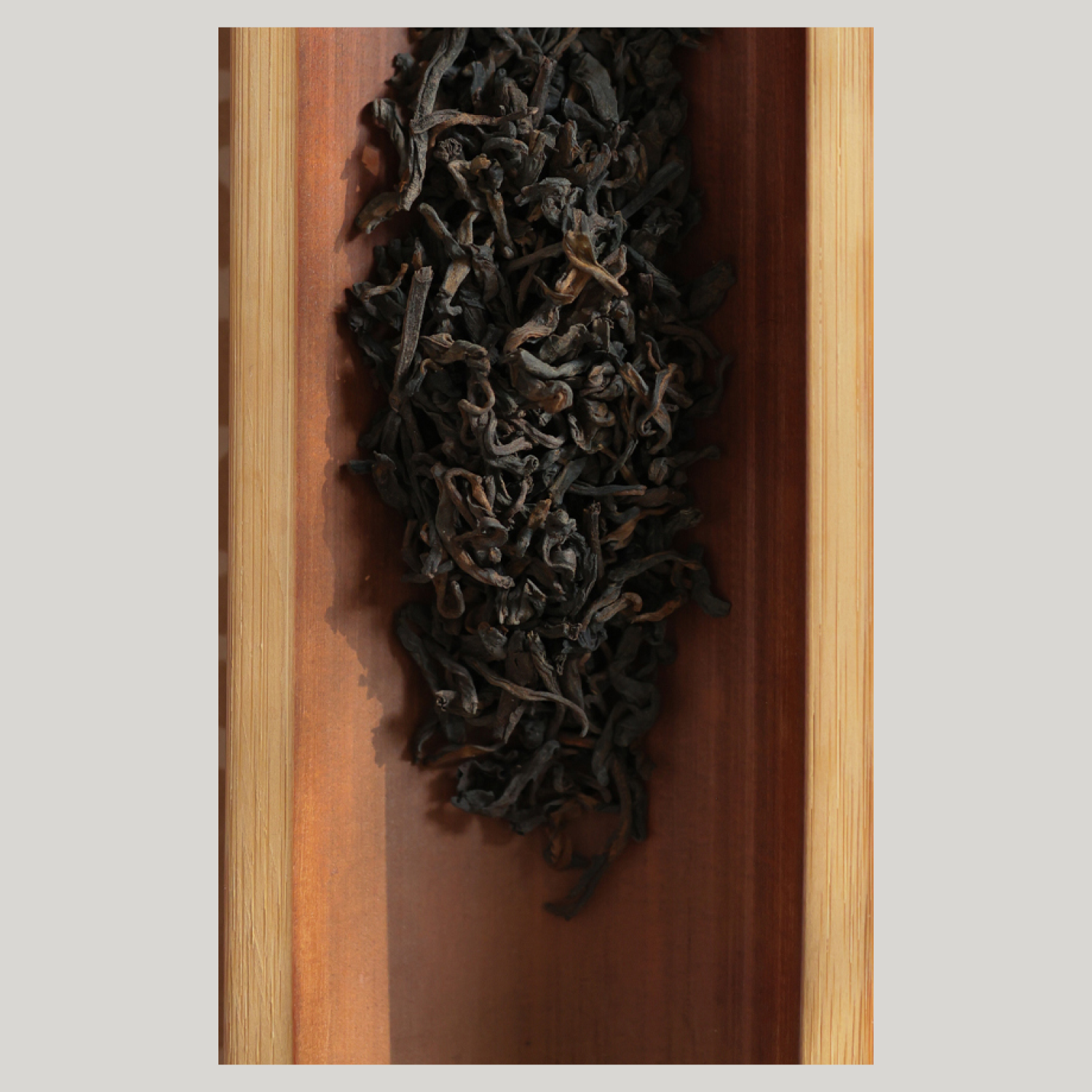 Image 5 of 13
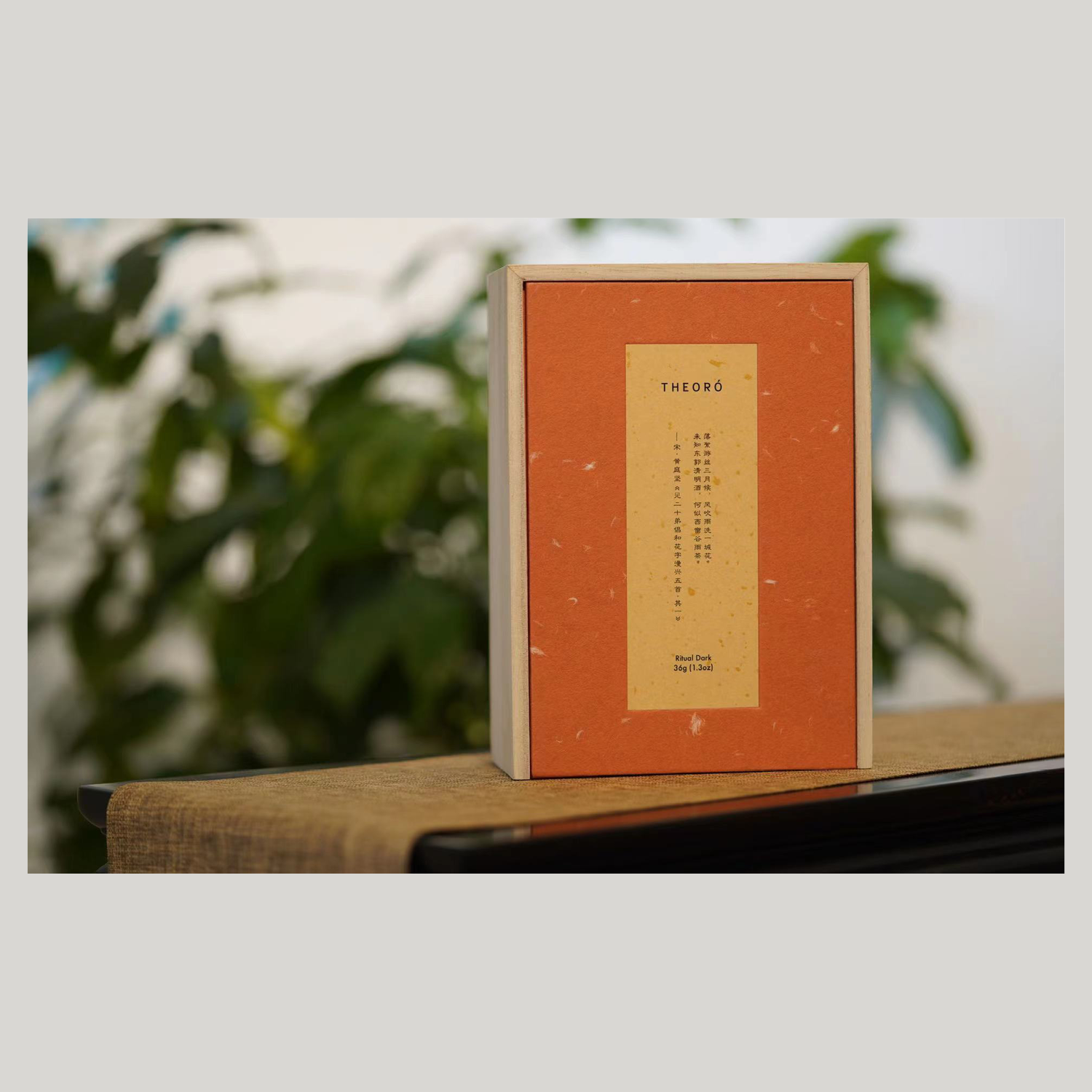 Image 6 of 13
 Image 7 of 13
 Image 8 of 13
 Image 9 of 13
 Image 10 of 13
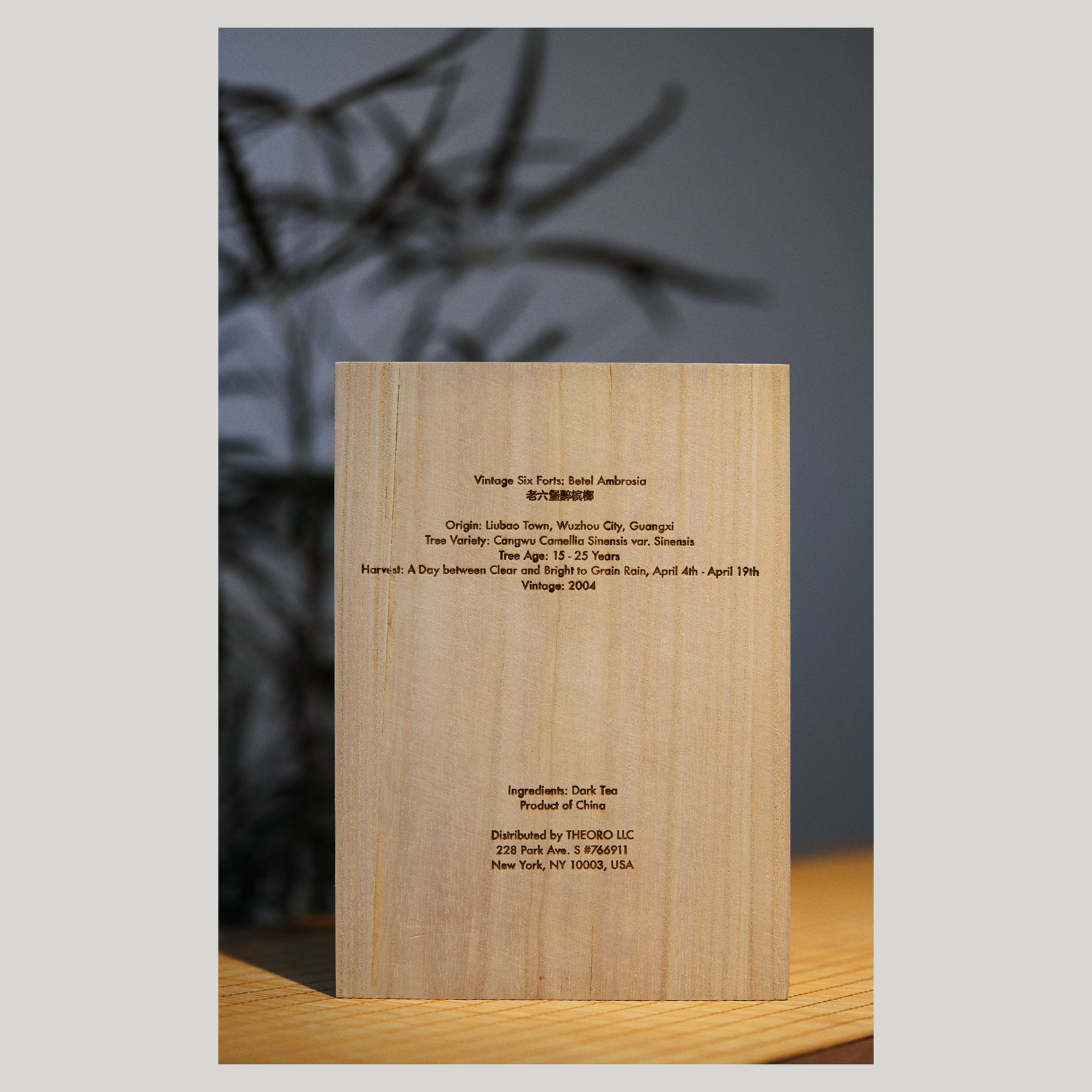 Image 11 of 13
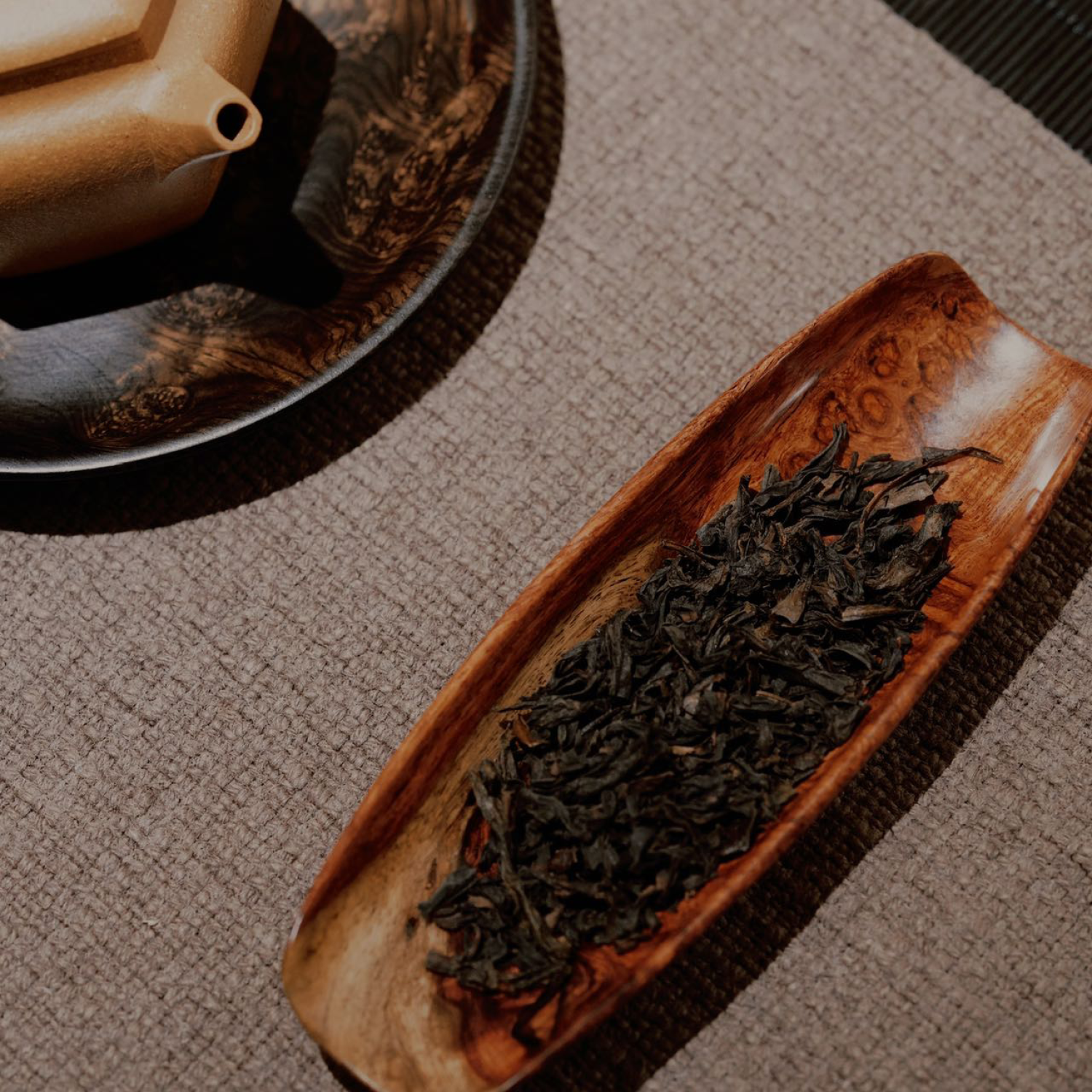 Image 12 of 13
Image 13 of 13
Image 12 of 13
Image 13 of 13
Profile
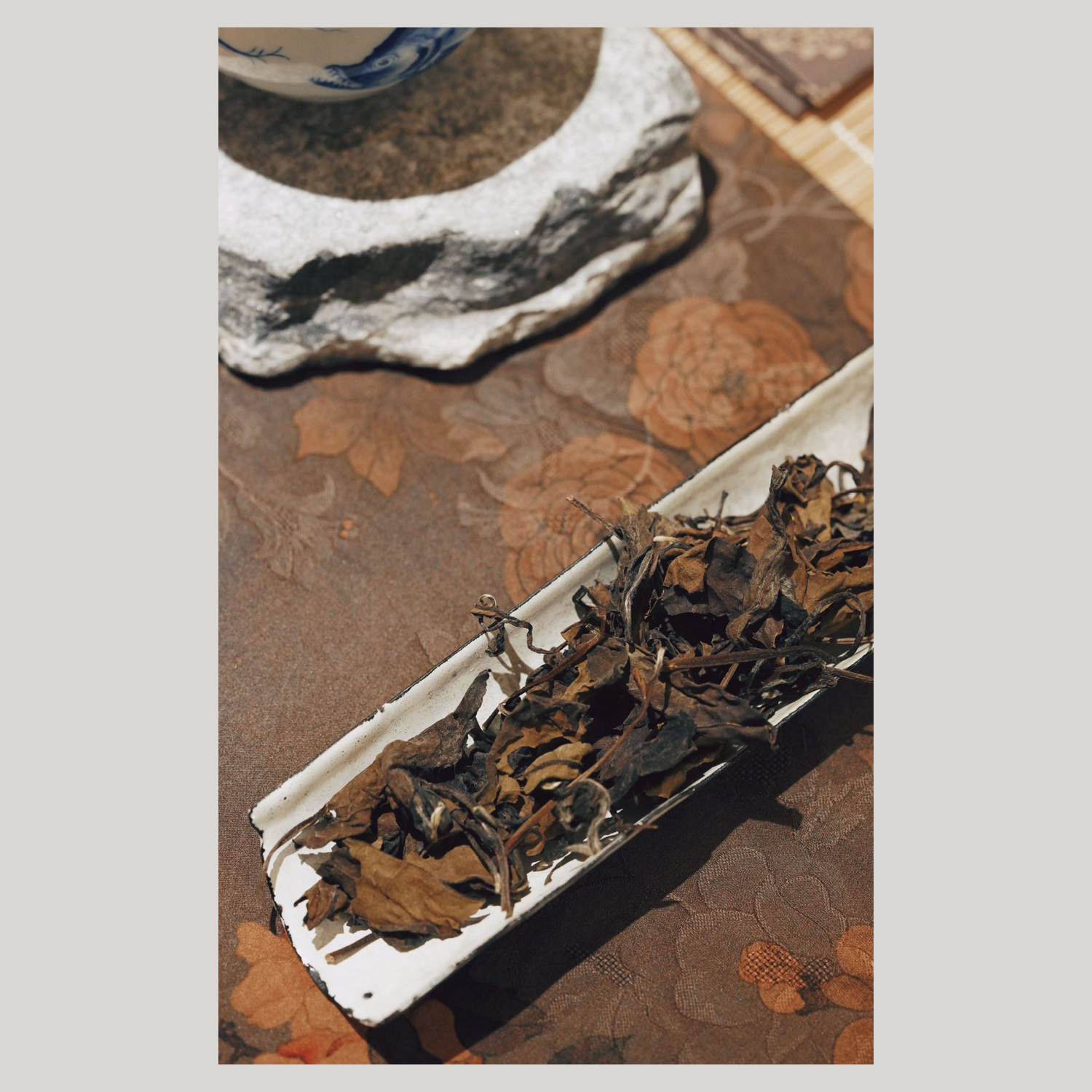
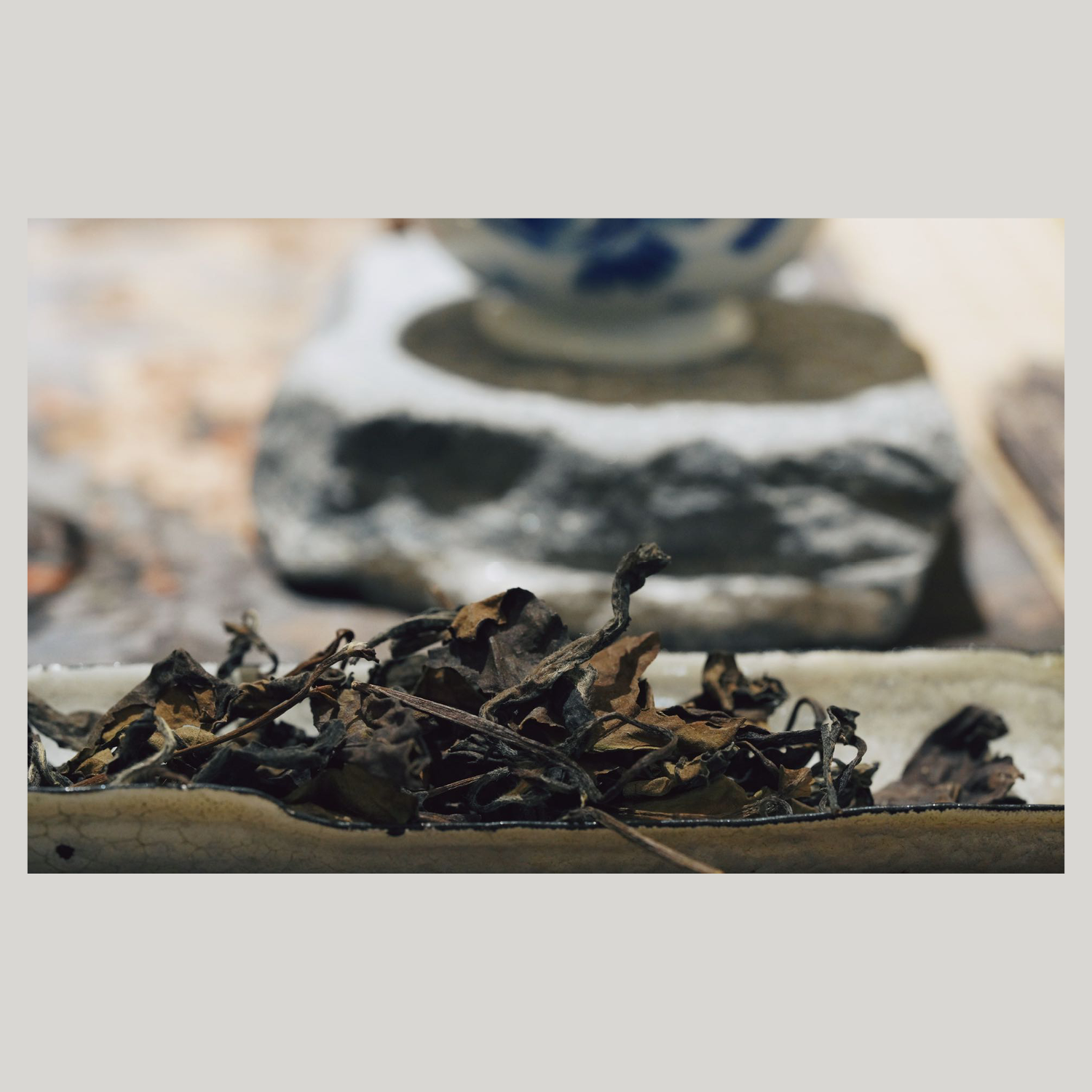
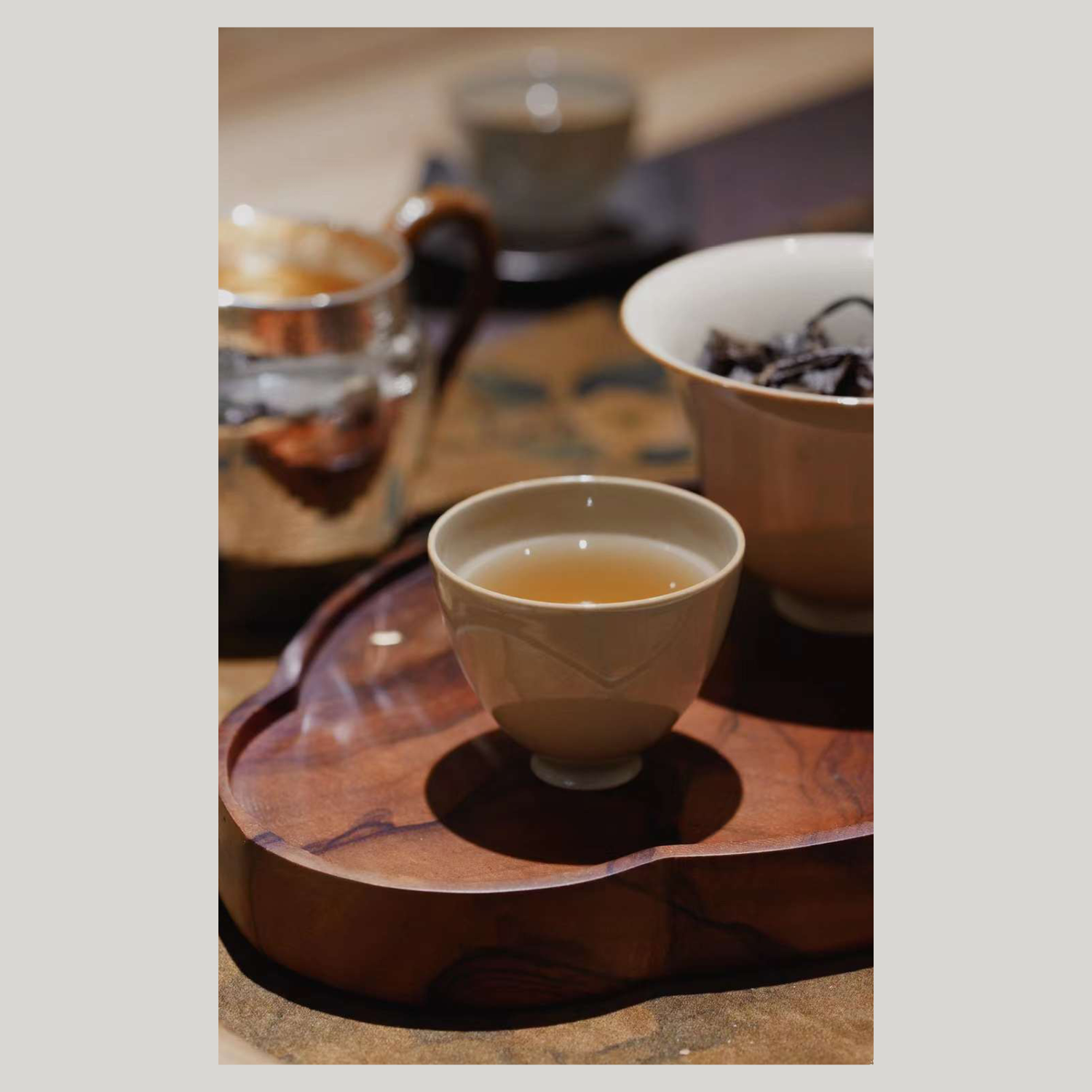
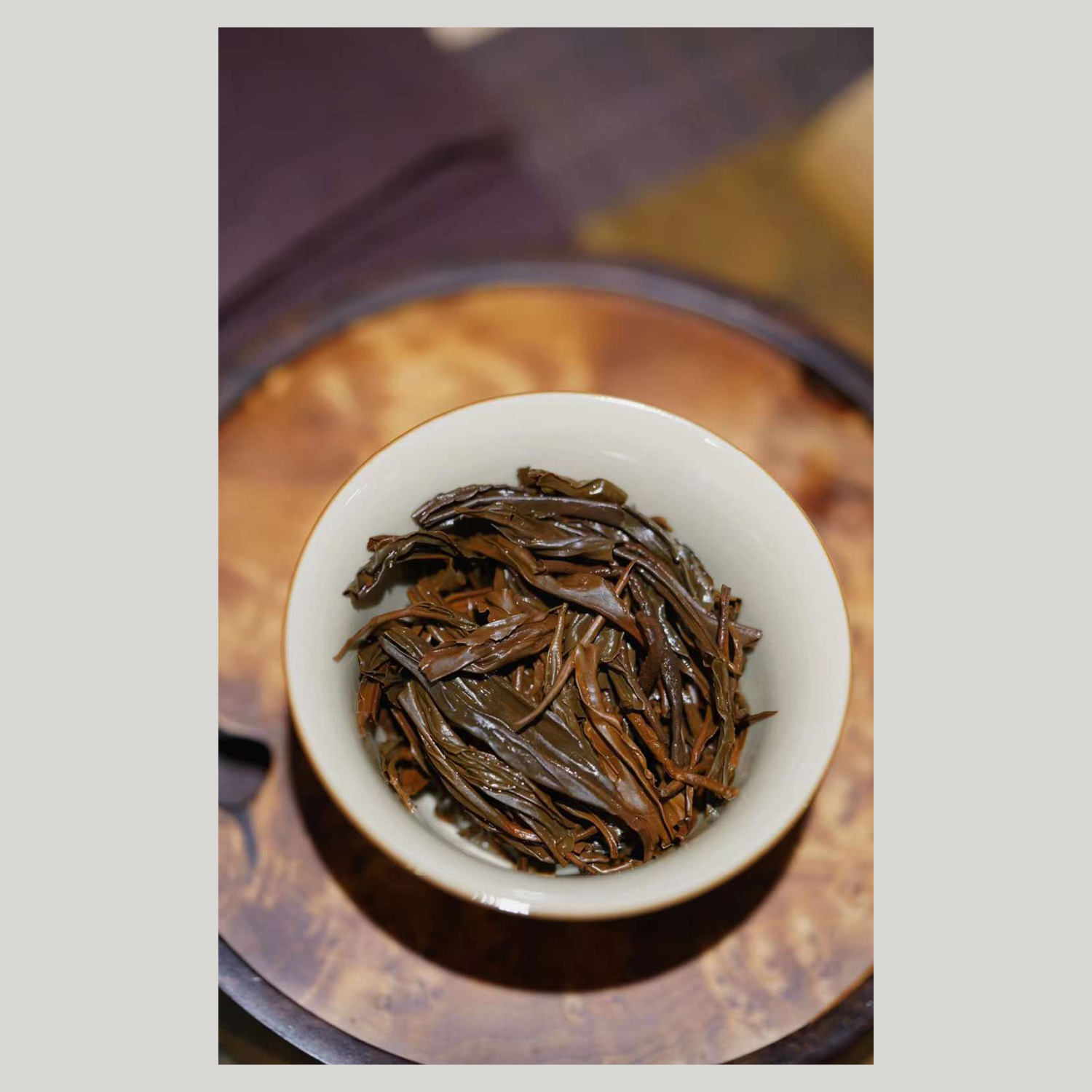
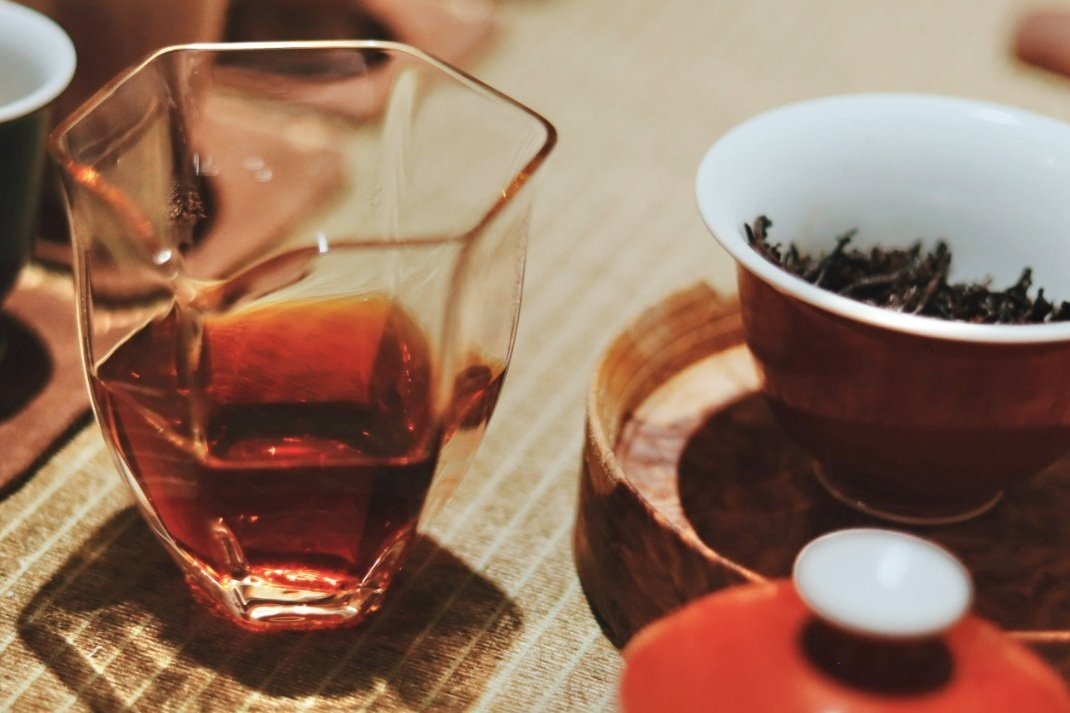
Aroma: Cedar, fresh snow, water moss, sticky rice
Flavor: Betel nut, ginseng, truffle, miso
Vitality: Minty mouthfeel, vibrant, earthy lingering
Mood: Relief, empowering, mild intoxication
enjoyment
-
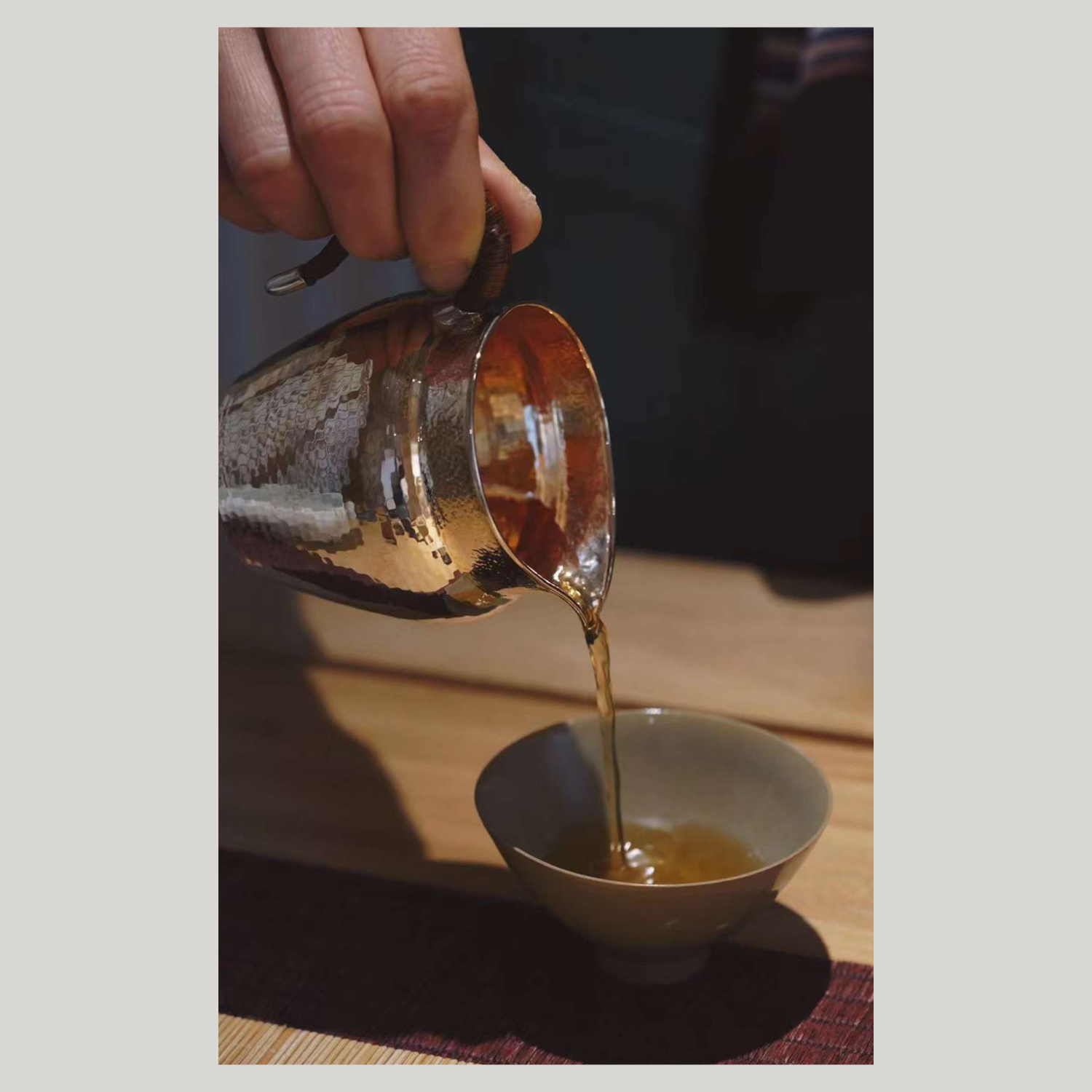
Water: Spring water or purified water.
Temperature: Approximately 212°F (100°C).
Tea-to-Water Ratio: 1 packet of tea per 1/2 cup of water for each infusion.
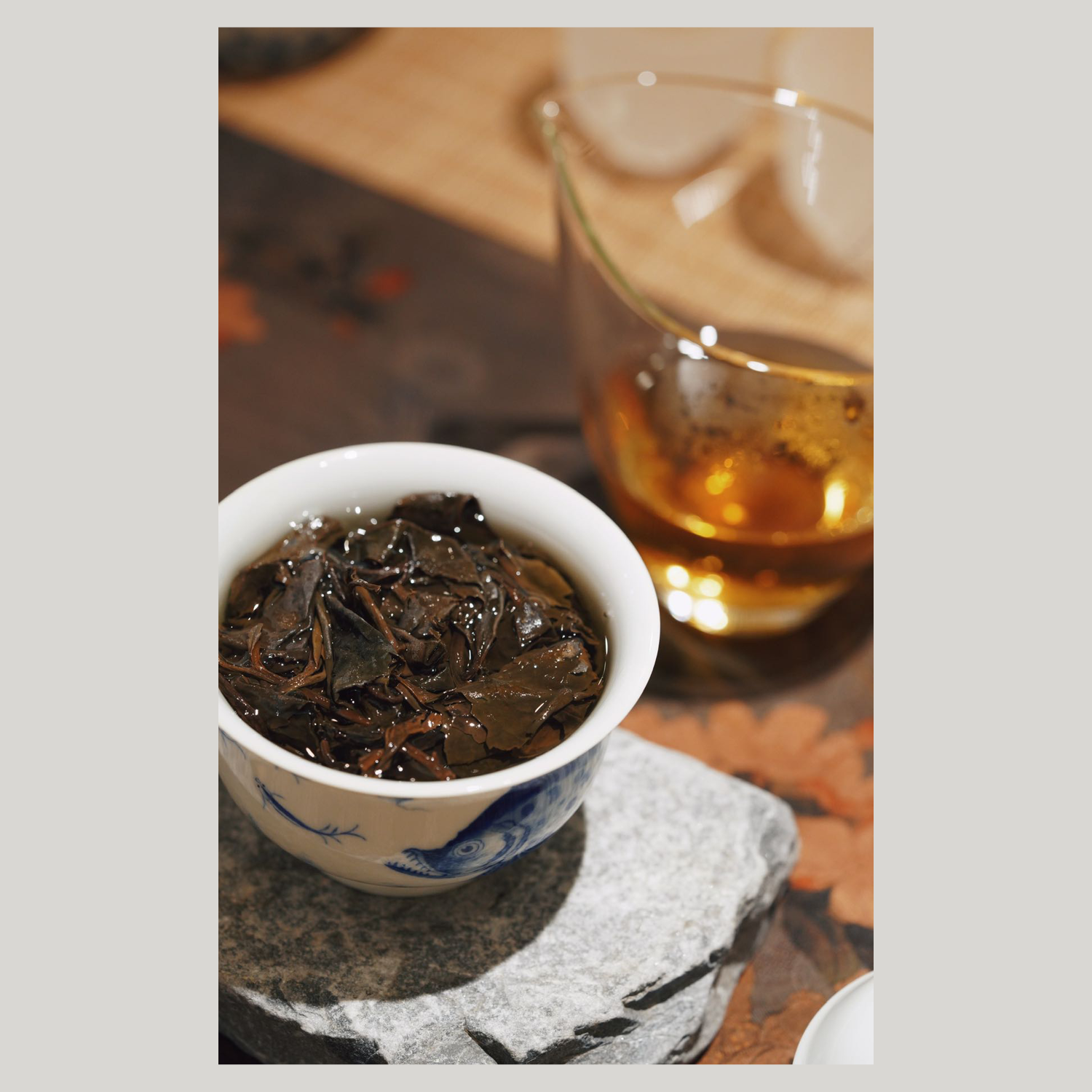
Tea Ware: Lidded bowl, small teapot.
Note: The recommended tea-to-water ratio and tea ware above are for the Gongfu brewing method. However, you can also use a more Western-style vessel, such as a large teapot, French press, or a water bottle with a removable filter. Simply match the water amount to the size of your chosen vessel.
-
1: Steep briefly, then pour out.
2 ~ 6: Steep quickly, for about 5 seconds each.
> 6: Adjust steeping time according to personal preference.
Note: When using a Western-style vessel, adjust the steeping time based on the amount of water. For example, if you’re using a french press that holds 2 cups of water (4 times the volume of 1/2 cup), extend the brewing time for infusions 2–3 to 20 seconds for the Ritual Dark.
-
Servings: For optimal enjoyment, use each packet for 12 ~ 15 infusions throughout the day.
Duration: Best enjoyed within 2 day.
When: If you’re sensitive to caffeine, skip it after dinner.
Frequency: Limit to 1 packet per day.
Note: When using a Western-style vessel, adjust the number of infusions based on the amount of water. For example, if you’re using a French press that holds 2 cups of water (4 times the volume of 1/2 cup), aim for 3–4 infusions per packet for the best experience.
-
Oily fare such as braised pork belly, pecking duck, escargots, foie gras and chicharrón perfectly complements this tea. It also pairs elegantly with heavy desserts like mooncake and chocolate lava cake.
Legacy
During the mid-to-late Qing Dynasty (mid-18th century to the late 19th century), the tea from Liubao Town became popular due to its high quality and low price, attracting tea merchants from Guangdong and Hong Kong to set up buying stations.
In pursuit of higher profits, tea merchants devised ways to reduce the weight of the farmers' tea. Faced with the merchants' demands, farmers resorted to manipulating the moisture content in the dry tea to increase its weight for trade. Typically, they would sprinkle water on the ground and then spread the dried tea on the wet surface, allowing it to absorb moisture and increase the weight of the tea being sold. When selling tea to the tea merchants, farmers would cover the surface of the moisture-absorbed wet tea with a layer of dry tea as a disguise.
The merchants would purchase this dampened tea, pack it in bamboo baskets, and transport it by boat along the waterways out of Wuzhou City. The humid and hot southern climate, combined with the moisture from waterway transport, allowed the tea to undergo a natural fermentation process during the long journey. This fermentation turned the tea reddish, reducing its bitterness and making the tea liquor much smoother. As a result, the tea gained market recognition as the Six Forts we know today and became popular.
In 1953, the Wuzhou Tea Maker first used air-raid shelters for storage and aging techniques, along with later storage in old cedar wood warehouses, creating the essential conditions for the unique betel nut aroma in Six Forts, likely results from a combination of factors such as the tree variety, craftsmanship, and storage conditions. This distinct aroma, is one of the key indicators of high-quality Six Forts and is an undisputed standard in tea evaluation.
Authenticity
-
Six Forts (Liubao tea) is named after Liubao Town in Wuzhou, Guangxi, where it is produced, with Buyi Village being the core cultivation area.
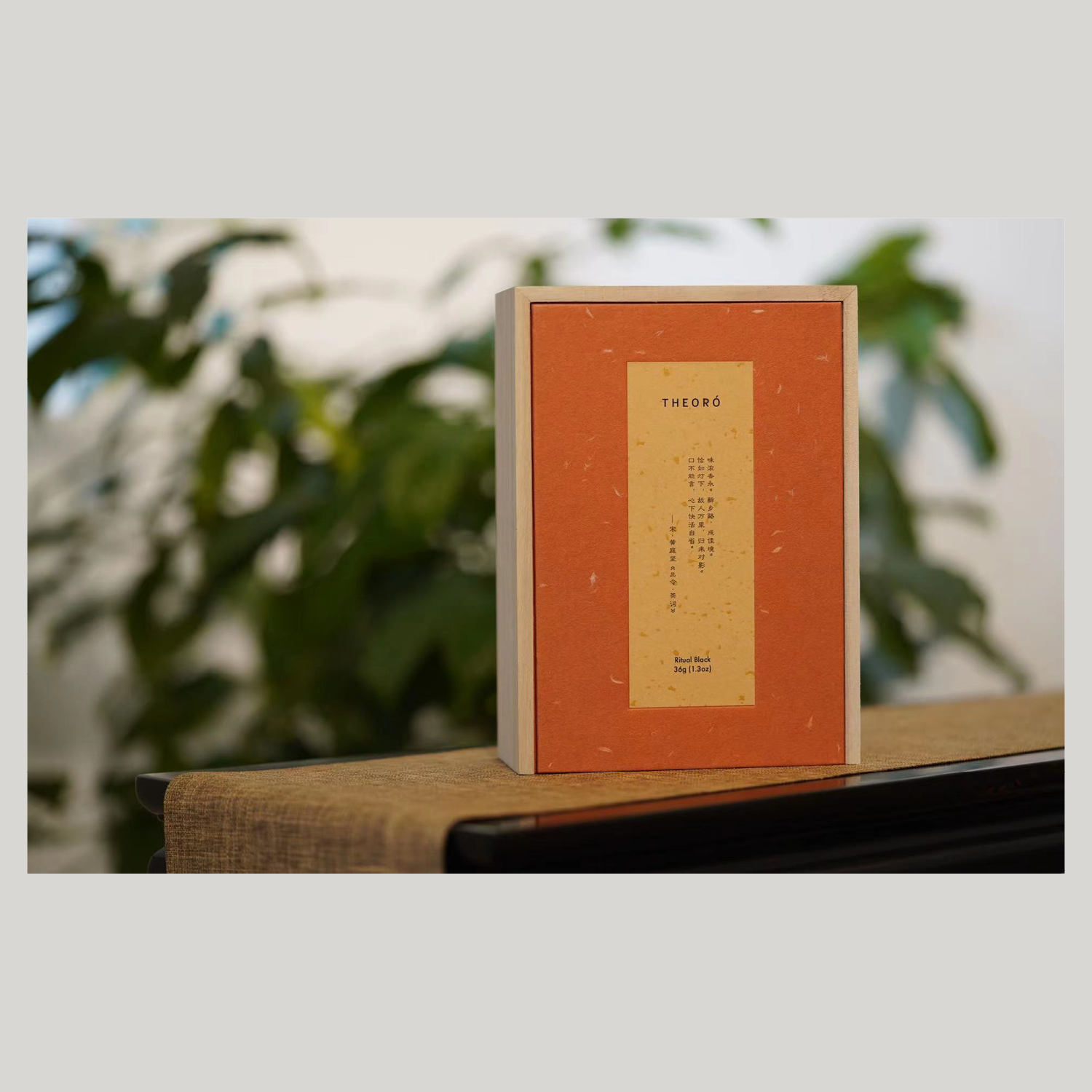
THEORÓ Ritual Dark comes from Buyi Village, crafted by a family with five generations of Six Forts tea-making tradition.
-
Today, the raw materials for making Six Forts can come from several tree varieties, including Cangwu Camellia sinensis var. sinensis, Guangxi Camellia sinensis var. Guiqing and Longji, as well as imported Yunnan Camellia sinensis var. assamica.
The original tree variety of Six Forts is Cangwu Camellia sinensis var. sinensis. As winter approaches, this variety produces many flowers and fruits. The distinct betel nut aroma found in Six Forts is one of the key indicators of high quality and an undisputed standard in tea evaluation. Using leaves from Cangwu Camellia sinensis var. sinensis increases the likelihood of developing this characteristic scent.
As a result, fresh leaves from the Cangwu Camellia sinensis var. sinensis typically command 20% to 30% higher prices than other varieties in the same region.
THEORÓ Ritual Dark uses leaves from Cangwu Camellia Sinensis var. Sinensis.
-
In the 1980s and 90s, the price of Six Forts plummeted, causing many tea farmers to cut down old trees and switch to other crops. As a result, many tea plantations were left abandoned for a long time. Most of the tea trees in the plantations today were planted within the last 10 years, and trees over the age of 5 are generally ready for harvest.
There is also a small number of tea trees around 50 years old today. While they don’t qualify as ancient trees, they are considered old trees in the context of Six Forts. Some of these trees were spared from being cut down in the 1980s and 90s and have been maintained since then, while others are remnants from abandoned plantations or wild trees in remote, unmanaged areas.
A few ancient tea trees, ranging from 100 to over 500 years old, can still be found in Cangwu County, with trunks measuring 30 to 80 cm in circumference. However, these trees are now protected, making it nearly impossible to use them for tea production.
THEORÓ Ritual Dark was harvested from trees that were around 20 years old in 2004.
-
The picking season for Six Forts is quite long, allowing it to be harvested year-round. Some common picking periods include: before the Spring Sacrifice Festival, during the Clear and Bright solar term, the Frost’s Descent solar term, and the Start of Winter solar term, with each season offering its own distinctive qualities.
Tea picked before the Spring Sacrifice Festival (which typically falls around March 20th) has a shorter harvest window. Due to its limited quantity, this tea tends to be quite expensive. However, younger leaves do not always equate to higher quality. When brewed with hot water, the tea liquor is a light, clean yellow, more reminiscent of green tea rather than the typical Six Forts tea. For the best flavor and aroma, it needs to be aged for 3 to 5 years. With dark teas like Six Forts, there’s no need to chase the earliest harvests.
Tea picked around the Clear and Bright solar term (typically around April 4th) is rich in nutrients, with high levels of water-soluble substances and chlorophyll. It also has a relatively high amino acid content, giving the tea a high fragrant and complex flavor profile. This is because, after a long winter, tea trees accumulate nutrients, and their slow growth in the cool spring temperatures leads to dense, tender buds and thicker leaves.
Tea picked around the Frost’s Descent solar term (typically around October 23rd), though not always the most visually appealing, is known for its coarse, old leaves and strong aroma, making it particularly popular.
Tea picked after the Start of Winter solar term (typically around November 7th) grows slowly in colder weather, which leads to an increased concentration of compounds, resulting in a rich and aromatic tea. Aged winter tea often develops a delightful ginseng aroma, with a mellow, sweet, and bold flavor.
THEORÓ Ritual Dark is harvested on a day between Clear and Bright and Grain Rain, April 4th - April 19th.
-
In the Six Forts community, there is a belief that “the older the tea, the better it becomes,” which is why proper storage is crucial to enhancing its quality.
1 to 3 years: At this stage, the tea may have a strong storage flavor and slightly cloudy tea liquor. These are the typical features of tea in this early stage. If the storage flavor is less pronounced and the tea liquor is clearer, it usually means the tea has undergone some aging before being sold.
3 to 5 years: The fermentation taste fades, and the tea becomes smoother, sweeter, and more mellow.
5 to 10 years: This is considered good aging period, where the tea becomes mellow, sweet, smooth, and aromatic. The tea stabilizes and is suitable for people of all ages, with high medicinal value.
After 10 years: The tea reaches premium, developing a rich, full flavor and pure aroma. The medicinal benefits are maximized, and the tea is highly valued for its smoothness, sweetness, and aged characteristics.
Over 20 years: Teas aged over 20 years are rare and exceptional.
THEORÓ Ritual Dark is from the year 2004, with 20 years of vintage.
Craftsmanship - Preparation Phase
-
This process ensures that fresh tea leaves lose moisture evenly. As the leaves lose water, their internal substances undergo physical and chemical changes. Enzyme activity increases, leading to the breakdown of insoluble proteins, starches, and other components. Tea polyphenols also begin to oxidize.
Freshly plucked leaves typically contain about 75% moisture. At this point, the buds and leaves are full of water, making the leaf cells firm and elastic, but also fragile. When pressure is applied, they easily break into small pieces. During the withering process, some water evaporates, causing the cell membranes to relax and wrinkle, making the leaves more flexible. This softens the leaves, allowing them to be rolled into strips without breaking.
-
While fixation may look similar across different types of tea (mostly involving pan-frying, with some steaming), the goals for dark tea and green tea are quite different. For green tea, the goal is to completely stop enzyme activity, as it’s not meant to ferment. In contrast, for Six Forts, a type of dark tea, the fixation only aims to slow down enzyme activity, allowing for further transformation during aging.
The level of fixation requires great expertise. If the tea is under-processed, it will taste raw and bitter. If over-processed, it may taste burnt, and the tea will have less potential for aging. The leaves must be pan-fried until they become soft, turn dark green, and release a fragrant aroma—this indicates the right level of fixation.
At this stage, some of the key aromas characteristic of Six Forts begin to develop and are locked in, while its freshness is carefully preserved.
-
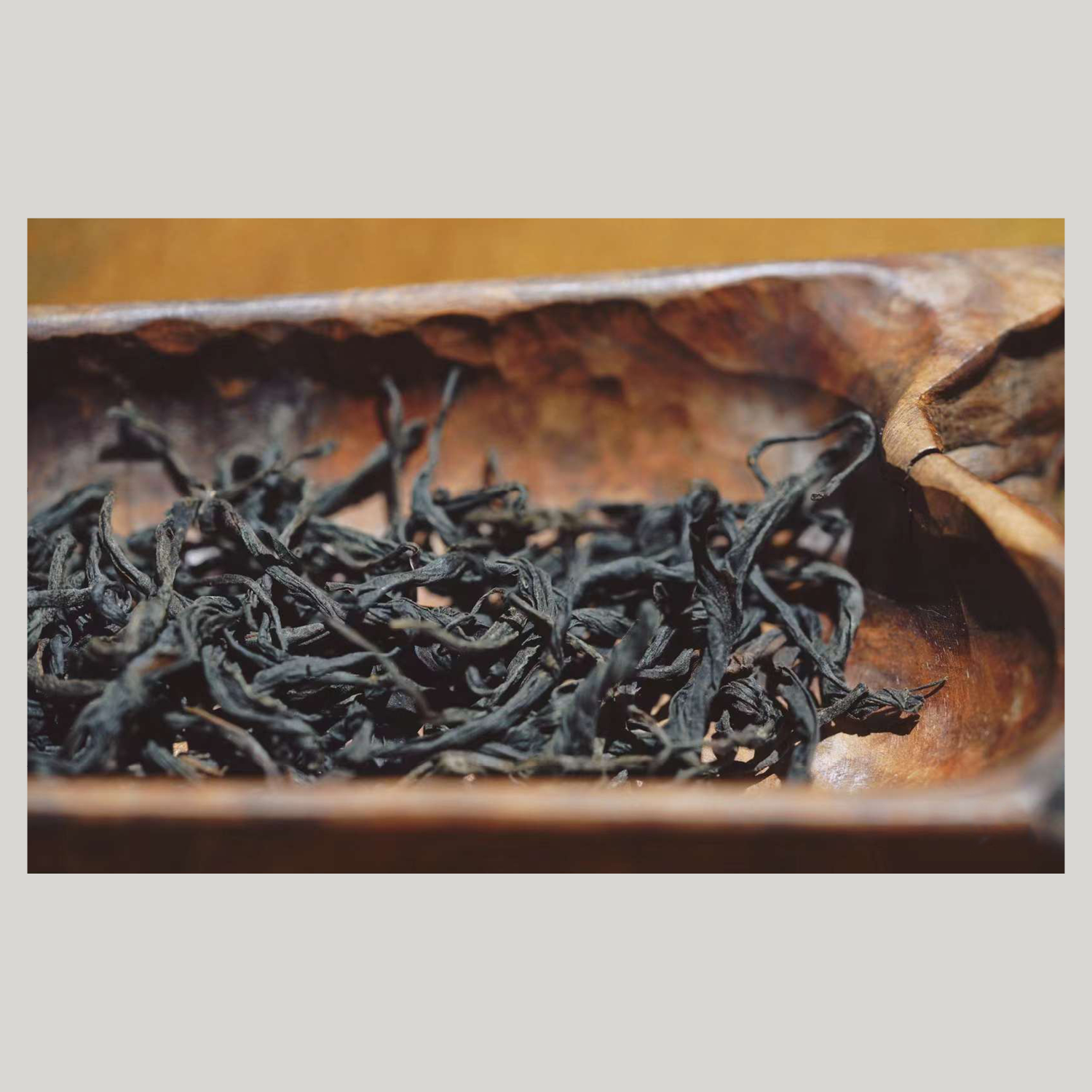
The rolling process for Six Forts primarily shapes the leaves. The technique focuses on starting gently and then applying more pressure. This allows the cell walls of the tea leaves to break slightly, releasing the tea juices, which enhances the richness of the brew. However, the leaves are not overly crushed, so they maintain their ability to be infused multiple times, while also becoming tightly curled and well-formed.
-
Piling is one of the early techniques developed for making Six Forts. People discovered that after rolling the leaves and letting them sit in a pile for a while before drying, the flavor became smoother, with less bitterness, making it more enjoyable. Over time, this developed into a standard process.
Although some modern tea makers skip this step, it is still an essential part of the national standard for Six Forts. During this process, the leaves change from yellowish-green to deep yellow-brown, and the tea develops a sticky texture. This helps the tea brew to turn a rich red color and improves its smoothness.
Controlling the pile’s thickness, moisture, and heat is critical, requiring experience. If not handled properly, the tea leaves can overheat and spoil, turning black and losing their flavor.
-
The roast-drying process is typically divided into two stages: rough drying and fine drying.
During the rough drying, high heat is applied at first, drying the tea to about 50%. Then, the heat is gradually reduced to avoid burning the tea. The fine drying stage uses lower heat over a longer period, reducing the moisture content to around 10%. This careful process ensures the tea dries properly without losing its quality.
Once the final step of the preparation phase is completed and a sufficient quantity has been gathered, it is sent to another tea maker for finalization phase.
Craftsmanship - Finalization Phase
-
When the unfinished tea arrives at the next tea maker, it goes through several steps. First, the packaging is checked for any damage. If there is any, appropriate testing is done, or the supplier is notified. Samples are then sent to certified authorities to test for pesticide residues, heavy metals, and other safety indicators. At the same time, the factory conducts its own internal inspections.
During the internal inspection, they check moisture levels. If the tea is too moist, it will be re-dried. They also evaluate the appearance, including shape, color, and cleanliness, as well as aroma, taste, liquor color, and the condition of the leaves. These indicators help determine if the unfinished tea meets the standards for making Six Forts.
-
After the unfinished tea passes inspection, the next step is curating. Various machines, such as shaking sieves and air sorting machines, are used to separate the tea by size, length, weight, and thickness. Large piles of tea are sorted into different grades, and any stems or pieces that don't meet quality standards are removed. These graded teas are then prepared for mixing.
Mixing is a core process to maintain consistent quality. It involves two steps: small sample mixing and large batch mixing. Small sample mixing is done by comparing to a standard sample and adjusting the blend based on the quality of the year’s harvest. The final mix for large batches is then created using the proportions from the small sample mix.
Once the large batch is mixed, minor adjustments are made to ensure consistency in flavor, aroma, and appearance, as the final mix may vary slightly from the small sample. This ensures uniformity and avoids significant differences in the size or quality of the leaves.
-
Wet-piling is a fermentation process through cold-water, developed in the 1950s, is a key step in shaping the signature flavors of Six Forts—rich, smooth, and aged. This method is now widely used by major Six Forts makers and is one of the most important stages for developing the tea's red color, concentrated flavor, and mellow characteristics.
The fermentation time and degree of fermentation are carefully controlled for each grade, ensuring a consistent quality. Factors such as the tenderness of the leaves, the amount of water added, and the thickness and tightness of the tea piles are all carefully managed. The entire wet-piling process can take 2 to 3 months, depending on the conditions. During this time, the temperature and moisture of the leaves are monitored, and the piles are turned to prevent overheating.
Throughout the process, the tea is regularly taste-tested—often up to eight times, even in the shortest fermentation cycles. The tea is ready once the leaves turn reddish-brown, emit a rich aroma, and the liquor turns a deep red color, indicating that the fermentation is complete.
At this point, a new evaluation is needed, and adjustments are made as necessary. The tea is then mixed again to ensure consistency in flavor and quality.
-
Where the fermented tea leaves are softened with steam. For easier storage, the tea is then pressed into traditional bamboo baskets (each weighing 30–50kg). These baskets are then transported to different warehouses, where the final and crucial stage of aging begins.
-
In the Six Forts community, there is a belief that “the older the tea, the better it becomes,” which is why proper storage is crucial to enhancing its quality.
In the early days, Six Forts was stored in simple mud-brick houses. However, starting in the 1950s and 60s, Wuzhou tea makers recognized the importance of cellar storage, and over time, this evolved into a more refined method known as “multi-stage storage.”
After the tea undergoes the steaming step, it is stored in a specialized “aged tea cellar.” This is a controlled environment, similar to a wine cellar, where the temperature (kept between 20–28°C) and humidity (55%–75%) are carefully maintained. This setting allows the tea’s components to fully transform, enhancing its flavor, aroma, and overall richness. The unique qualities of Six Forts—its deep red color, richness, aged character, and smoothness—develop in this environment.
-
After about a year in the cellar, the tea is evaluated through taste testing. If it meets quality standards, it is moved to brick-wood warehouses that have been in use for over 60 years. These spaces have developed beneficial microbial environments over the decades, which further enhance the tea’s flavor and aroma.
Through years of use, different areas of the warehouse have been found to enhance either aroma or flavor, leading to a system where the placement of tea is adjusted based on desired outcomes. After about two years, the tea undergoes another evaluation and, if it meets the required standards, is packaged and sold.
However, not all batches of tea are suitable for long-term aging. Factors such as the level of fermentation and the richness of the raw materials determine whether the tea should be aged and for how long. This process requires years of experience and careful attention to the characteristics of each batch.