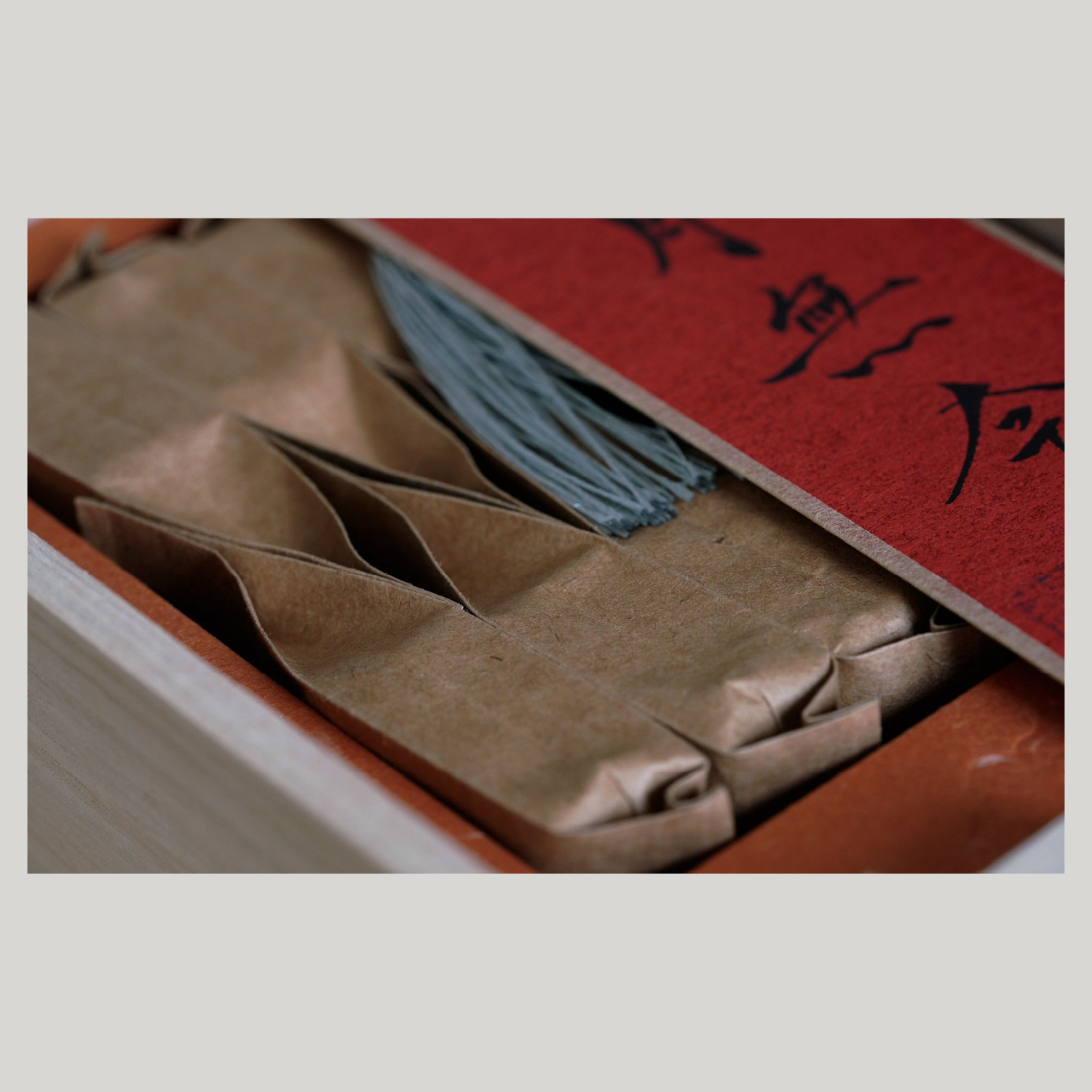
 Image 1 of 7
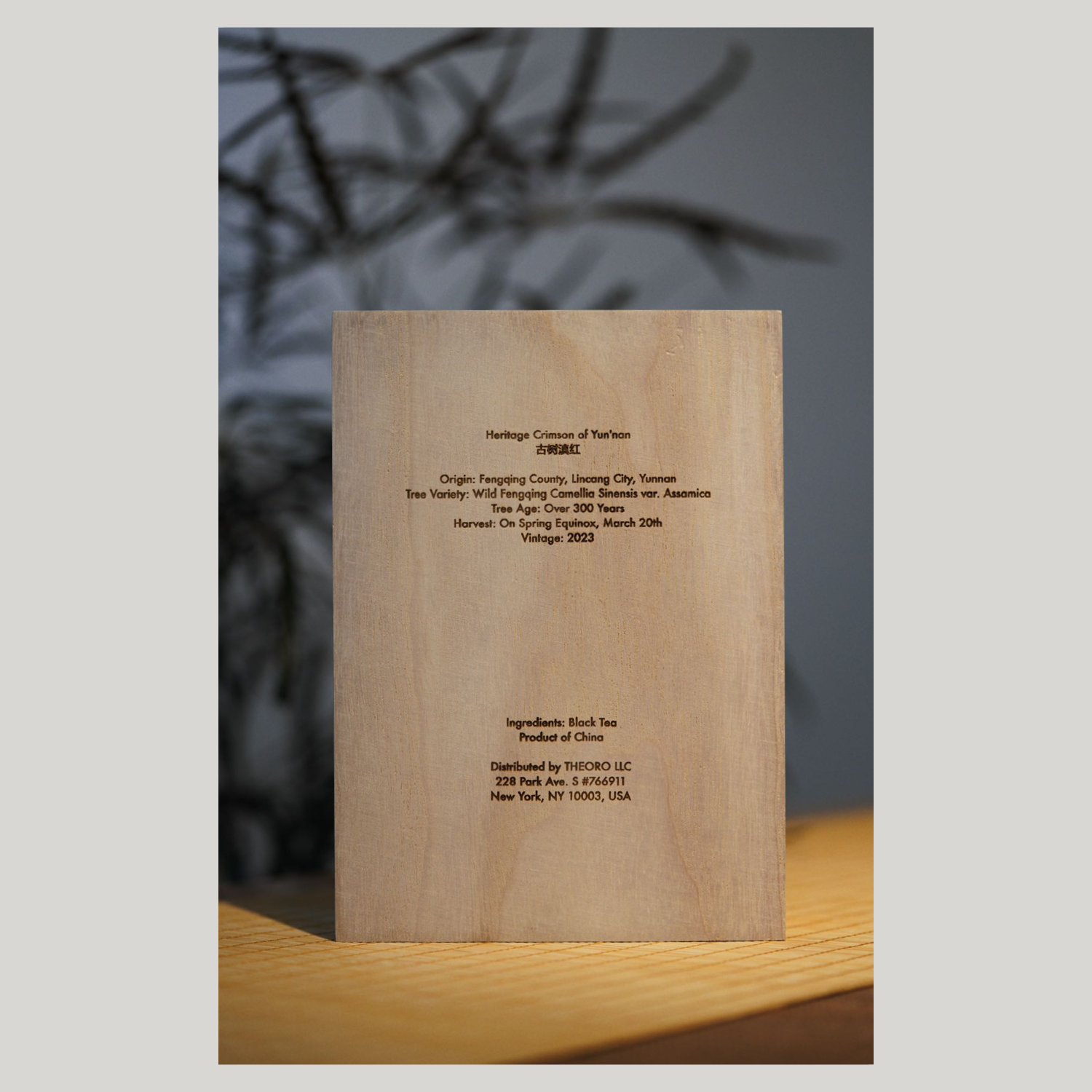
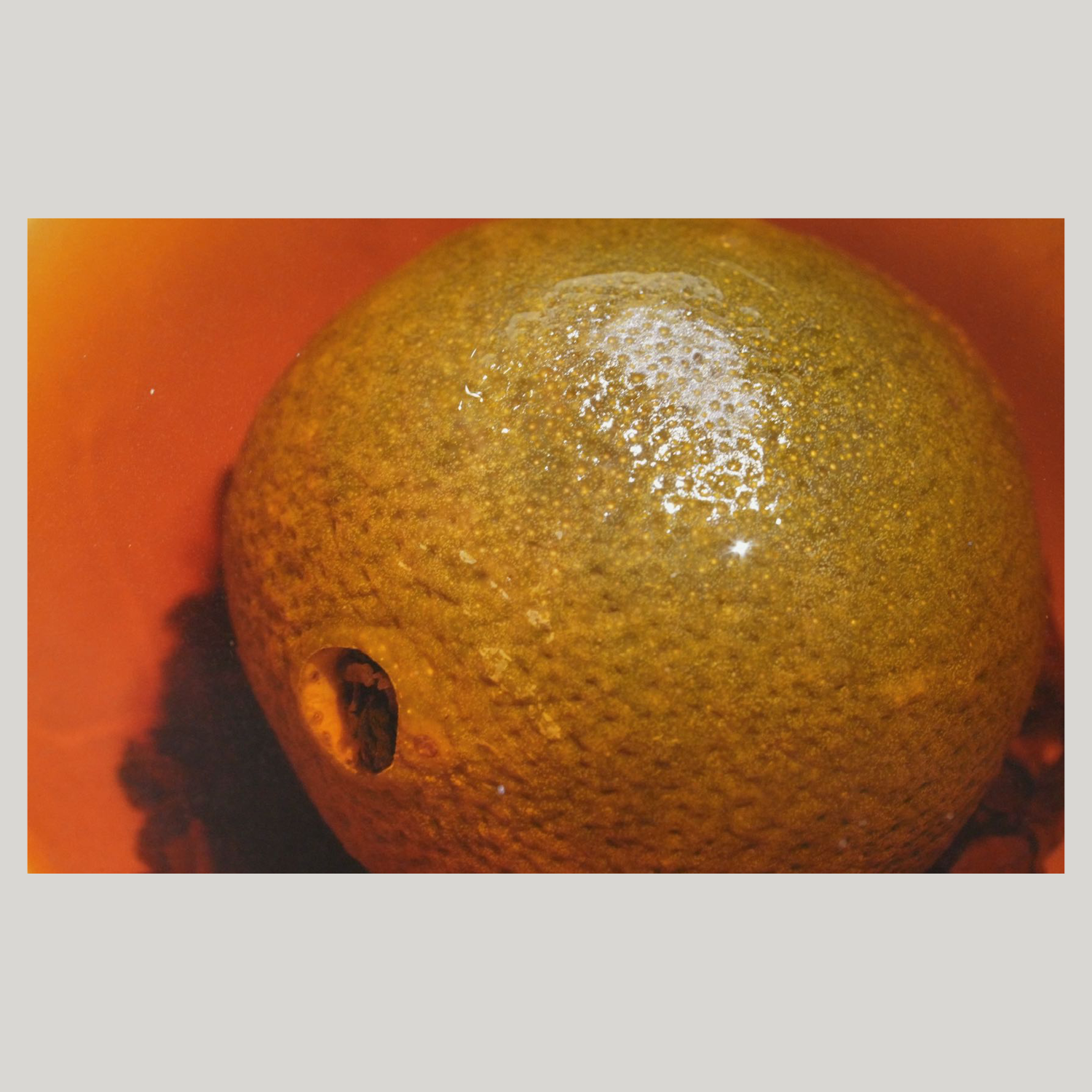 Image 2 of 7
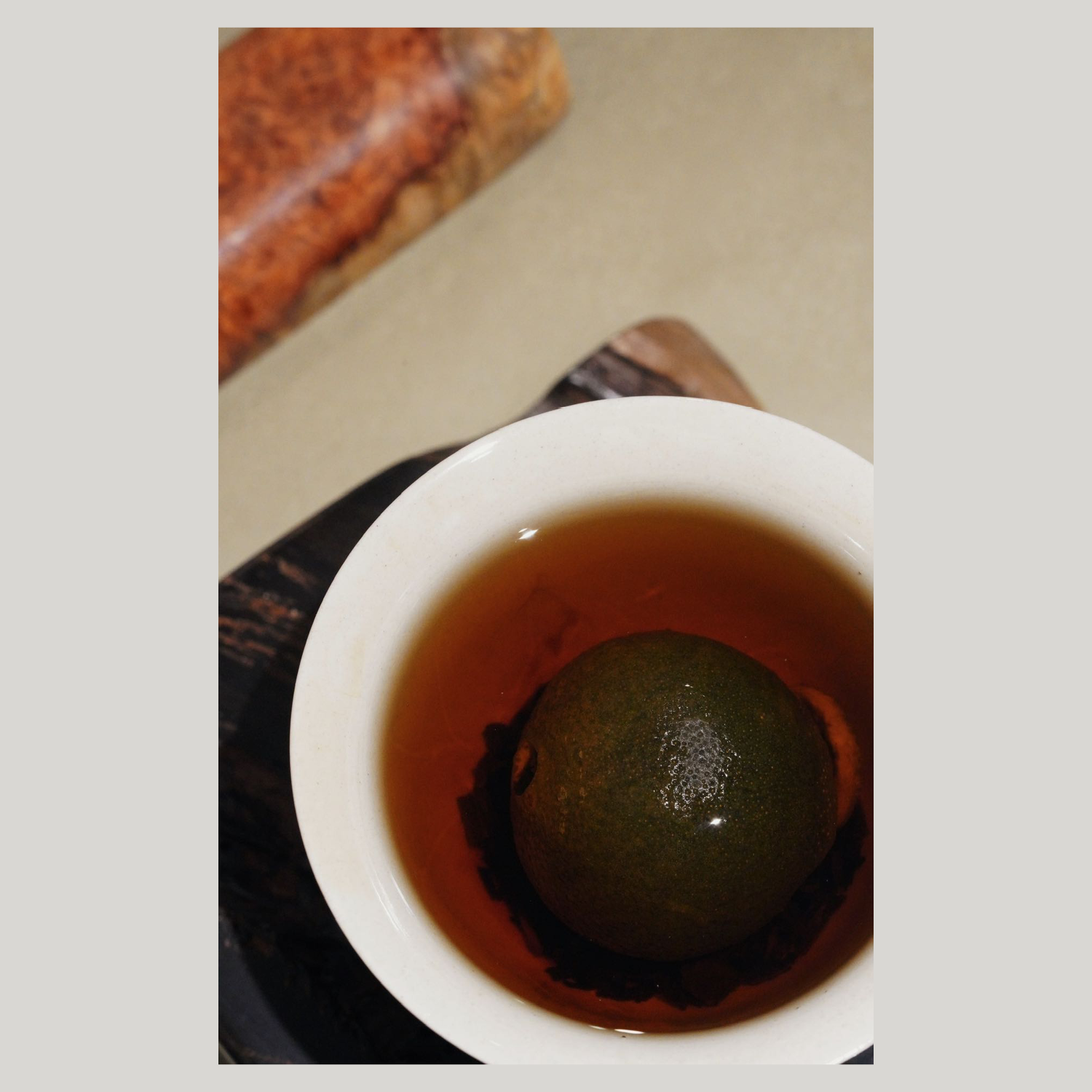
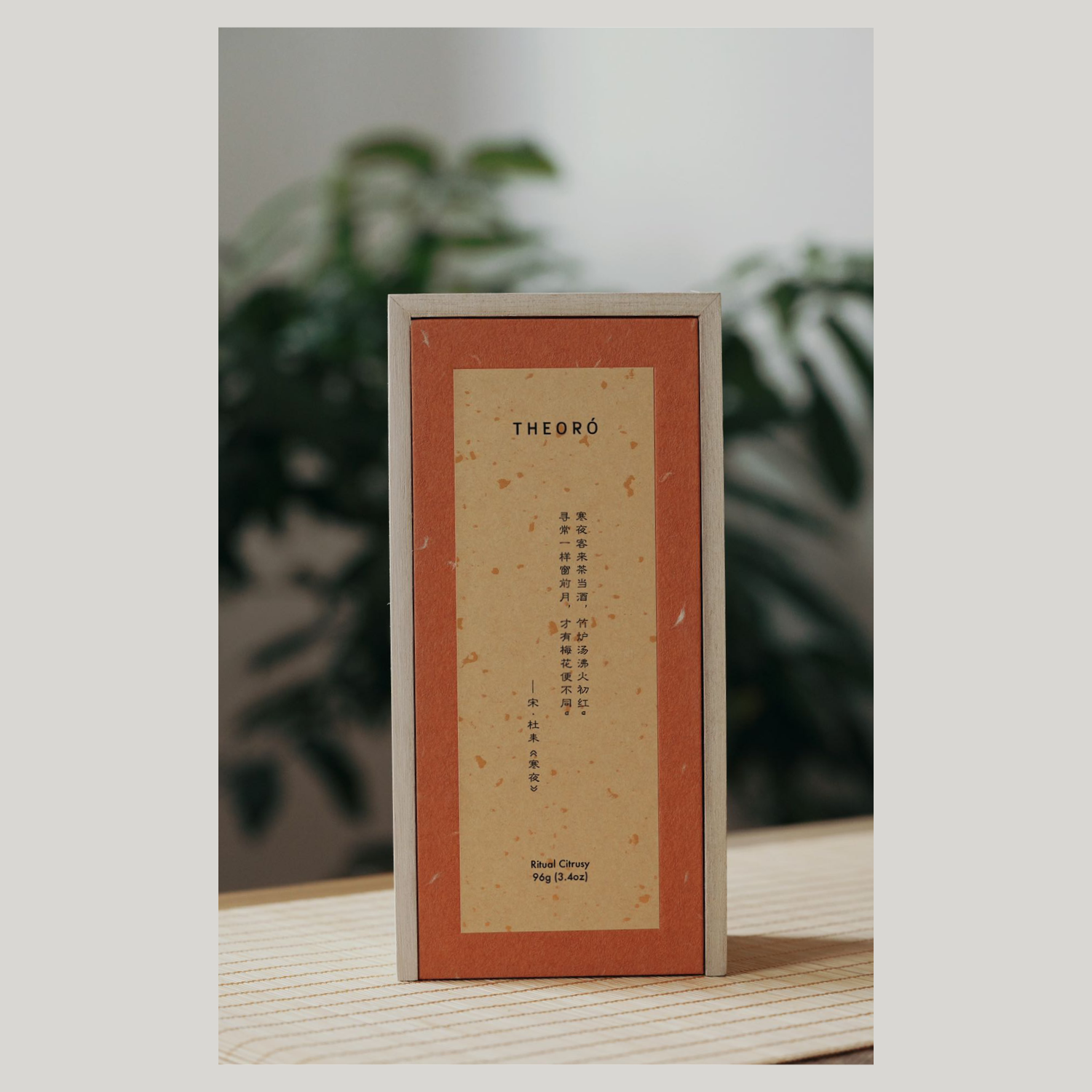 Image 3 of 7
 Image 4 of 7
 Image 5 of 7
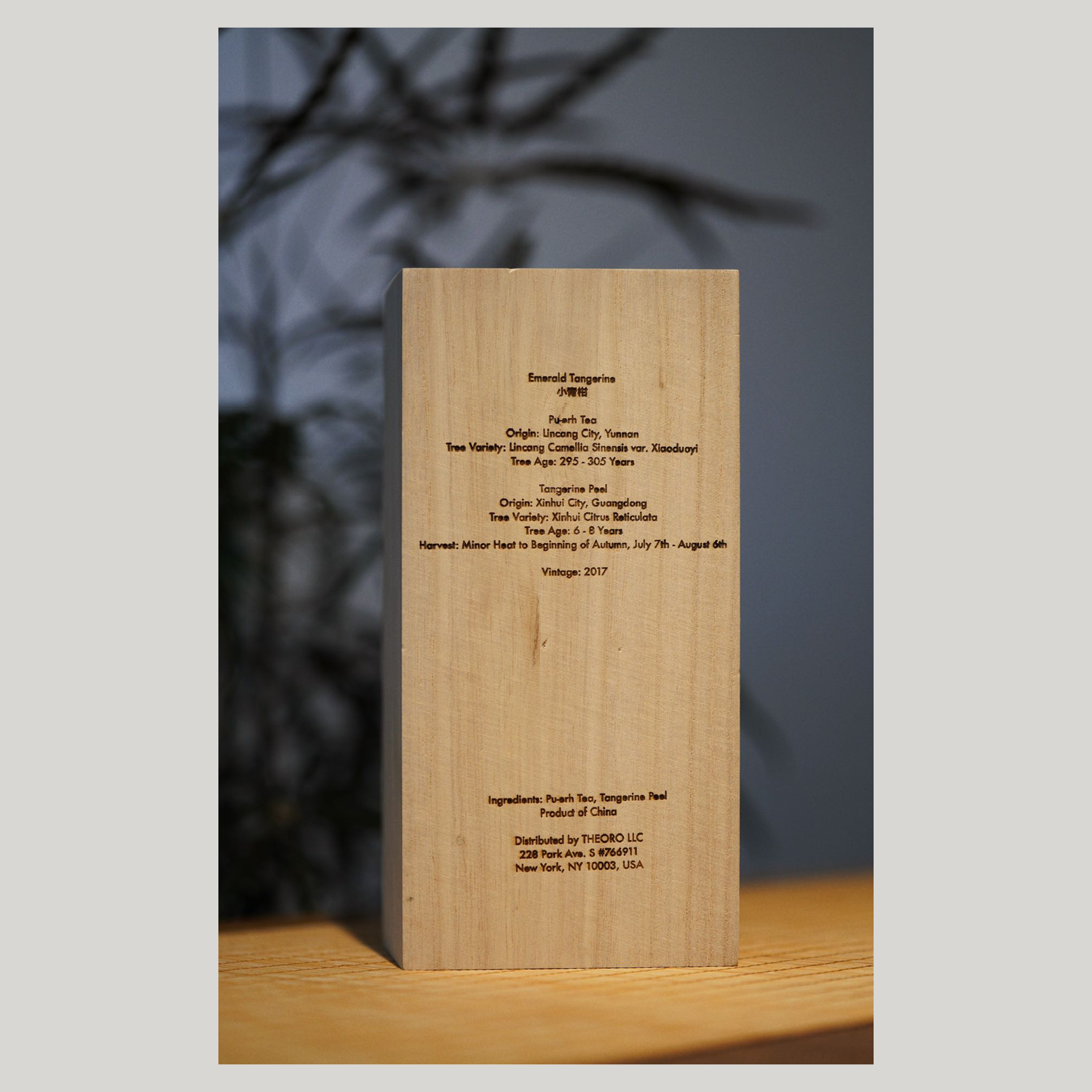 Image 6 of 7
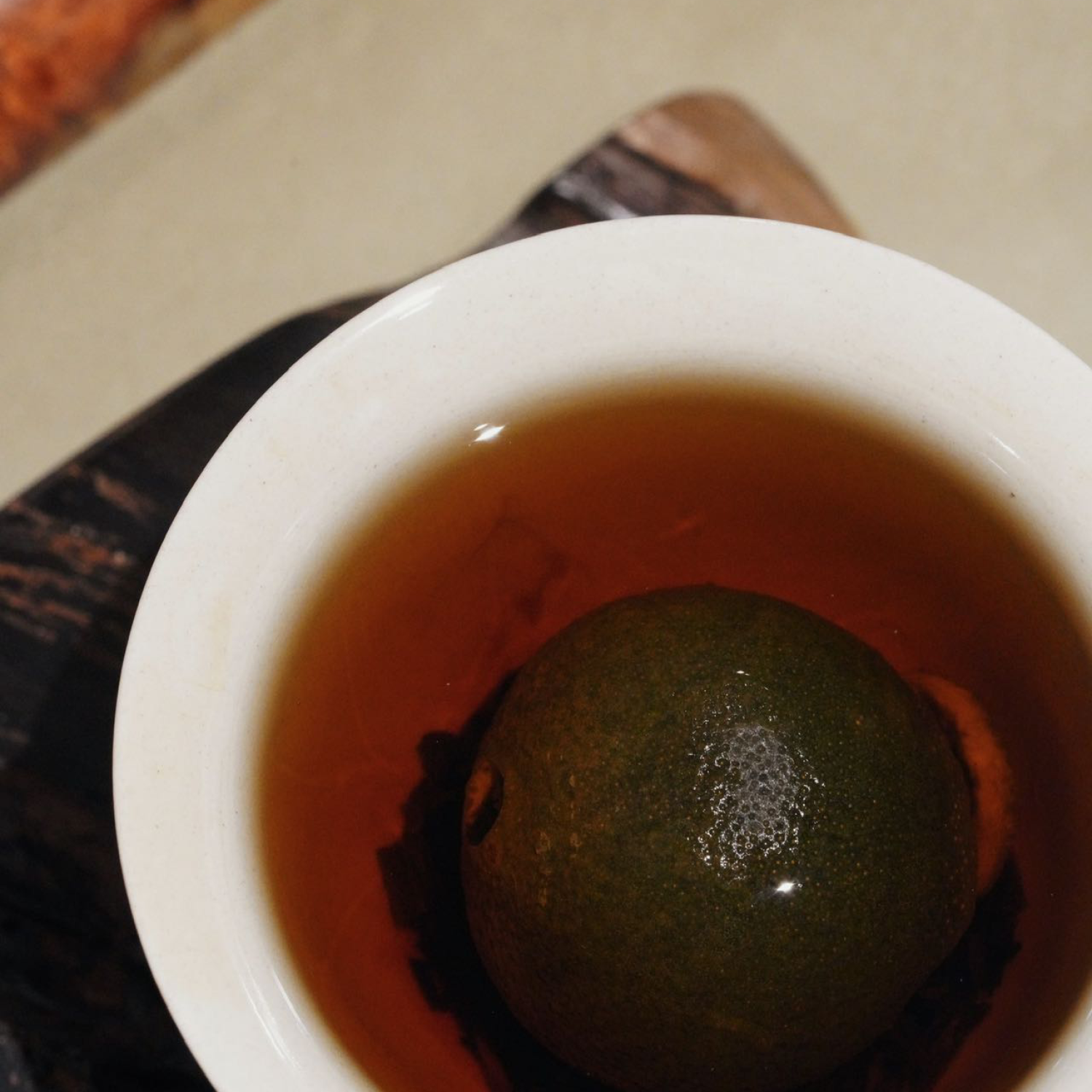 Image 7 of 7
Profile
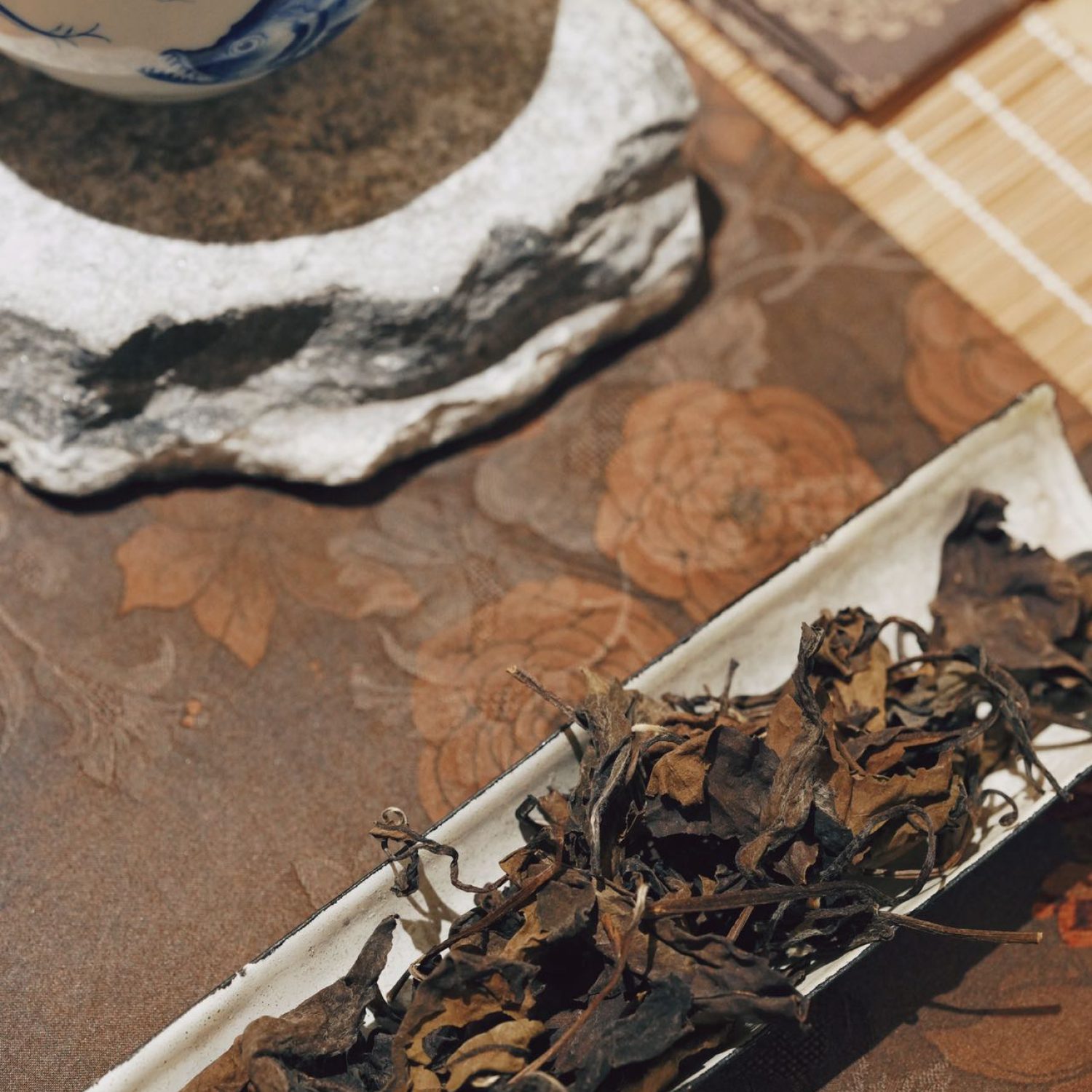
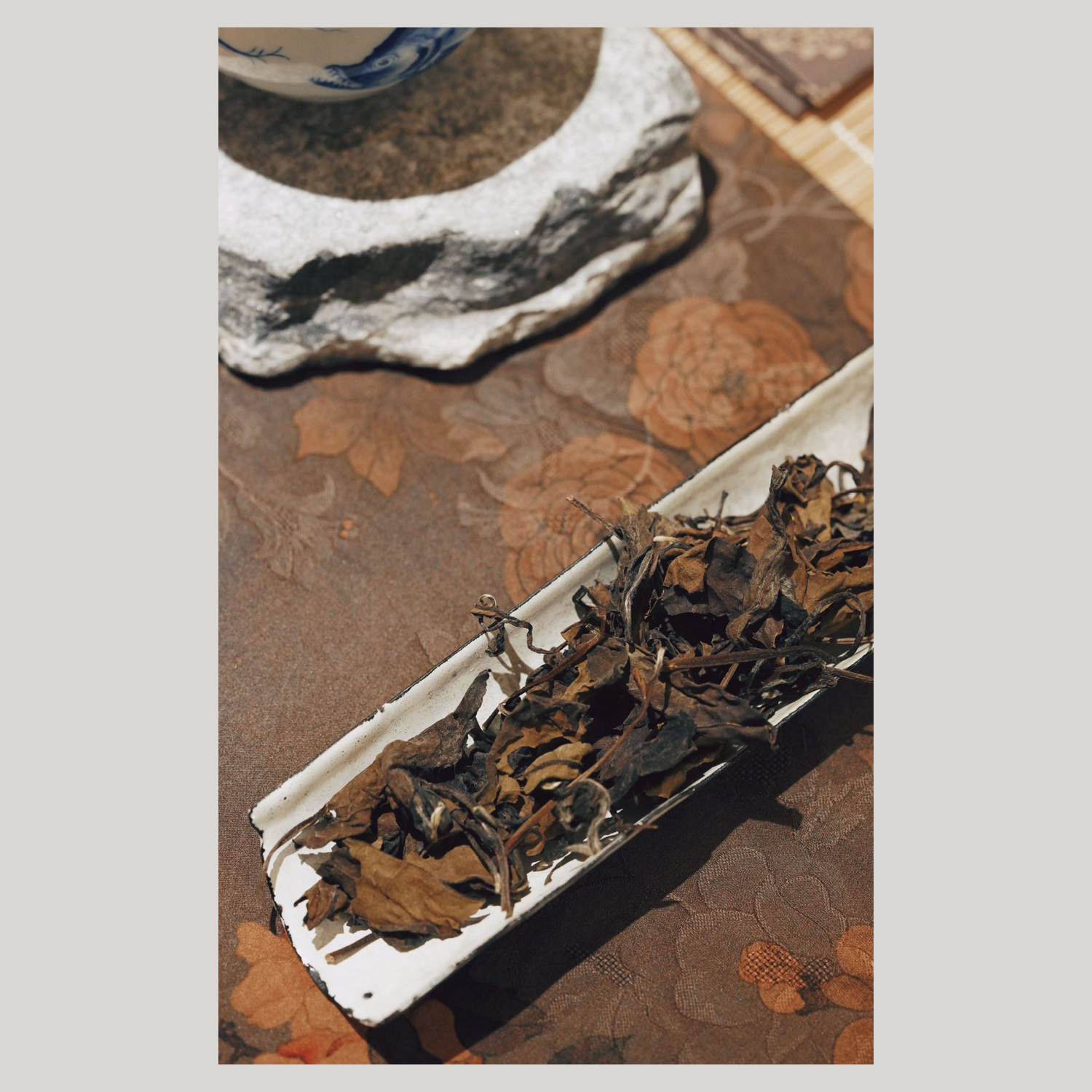
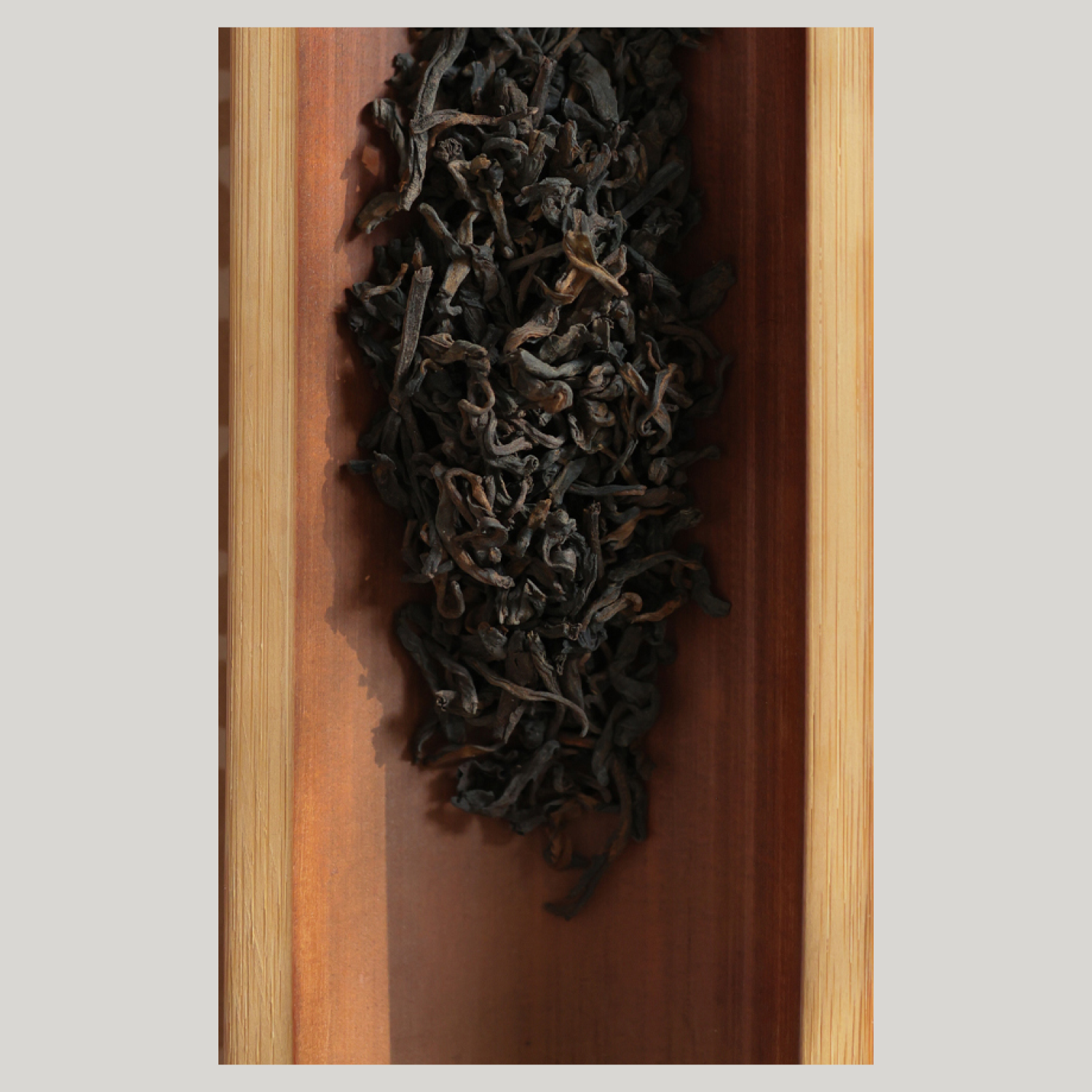
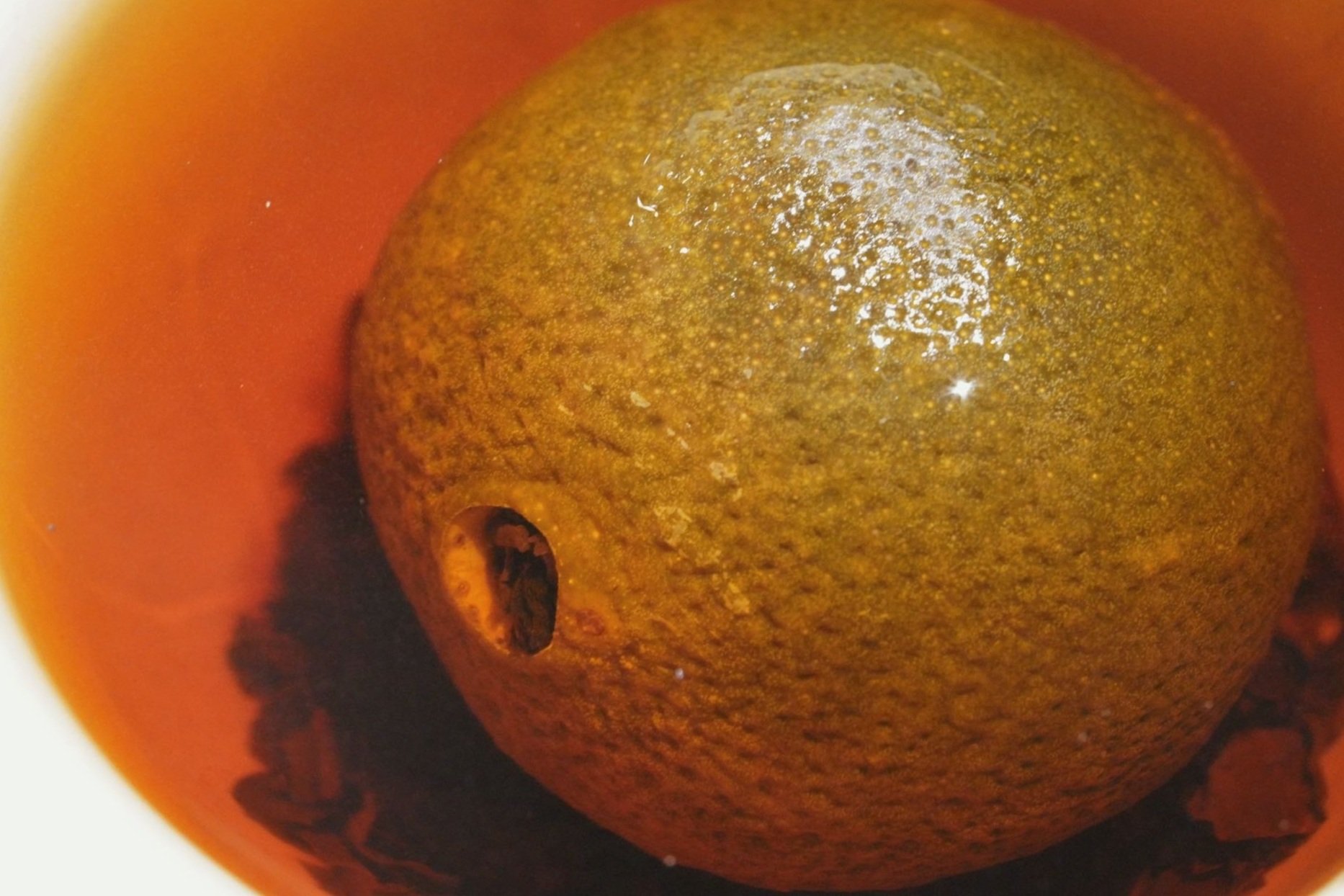
Aroma: Bergamot, longan, lotus leaf, camphor tree
Flavor: Goji berry, jujube, ginger, basil
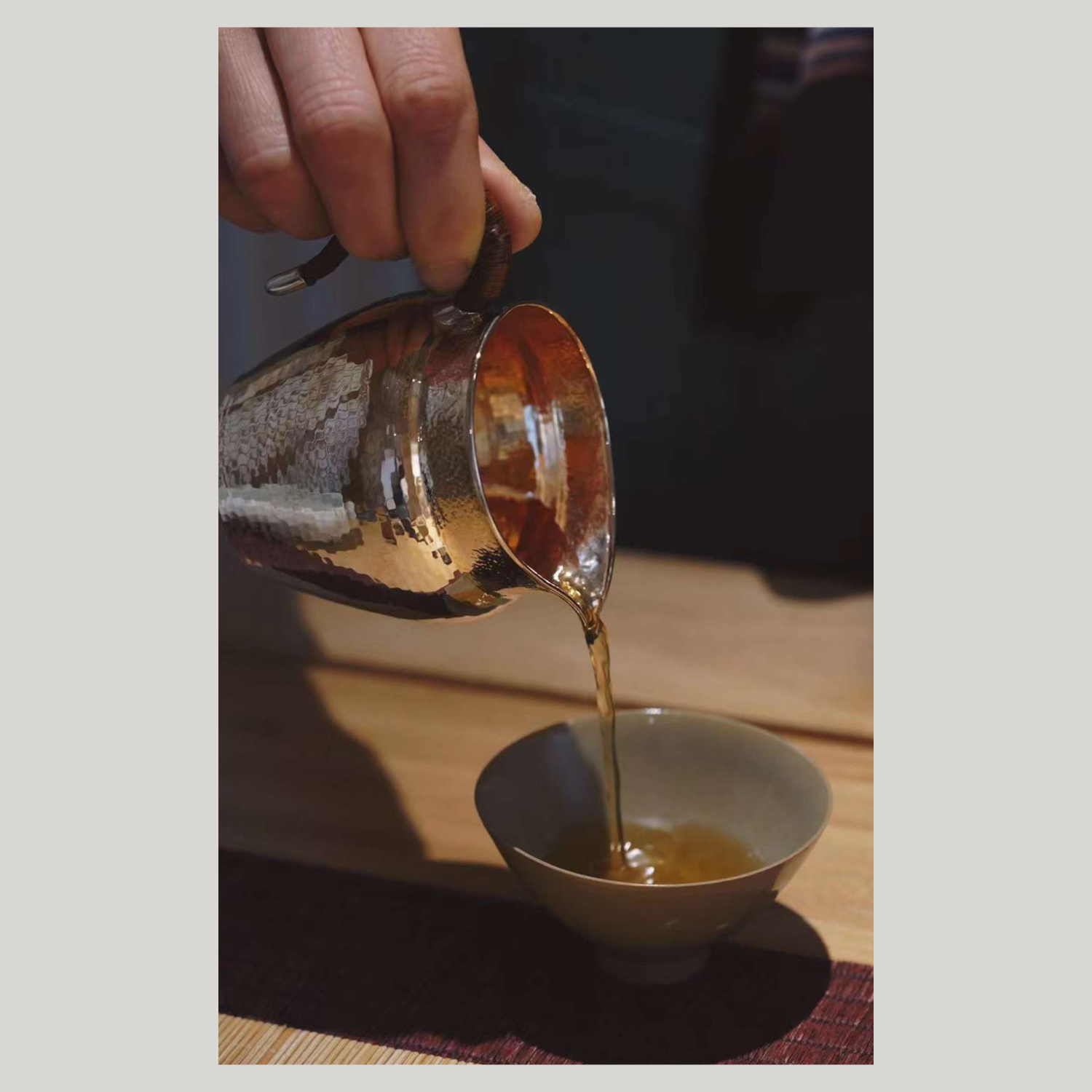
Vitality: Smooth mouthfeel, full-bodied, cooling lingering
Mood: Calming, relief, grounding
enjoyment
-
Water: Spring water or purified water.
Temperature: Approximately 212°F (100°C).
Tea-to-Water Ratio: 1 packet of tea per 1/2 cup of water for each infusion.
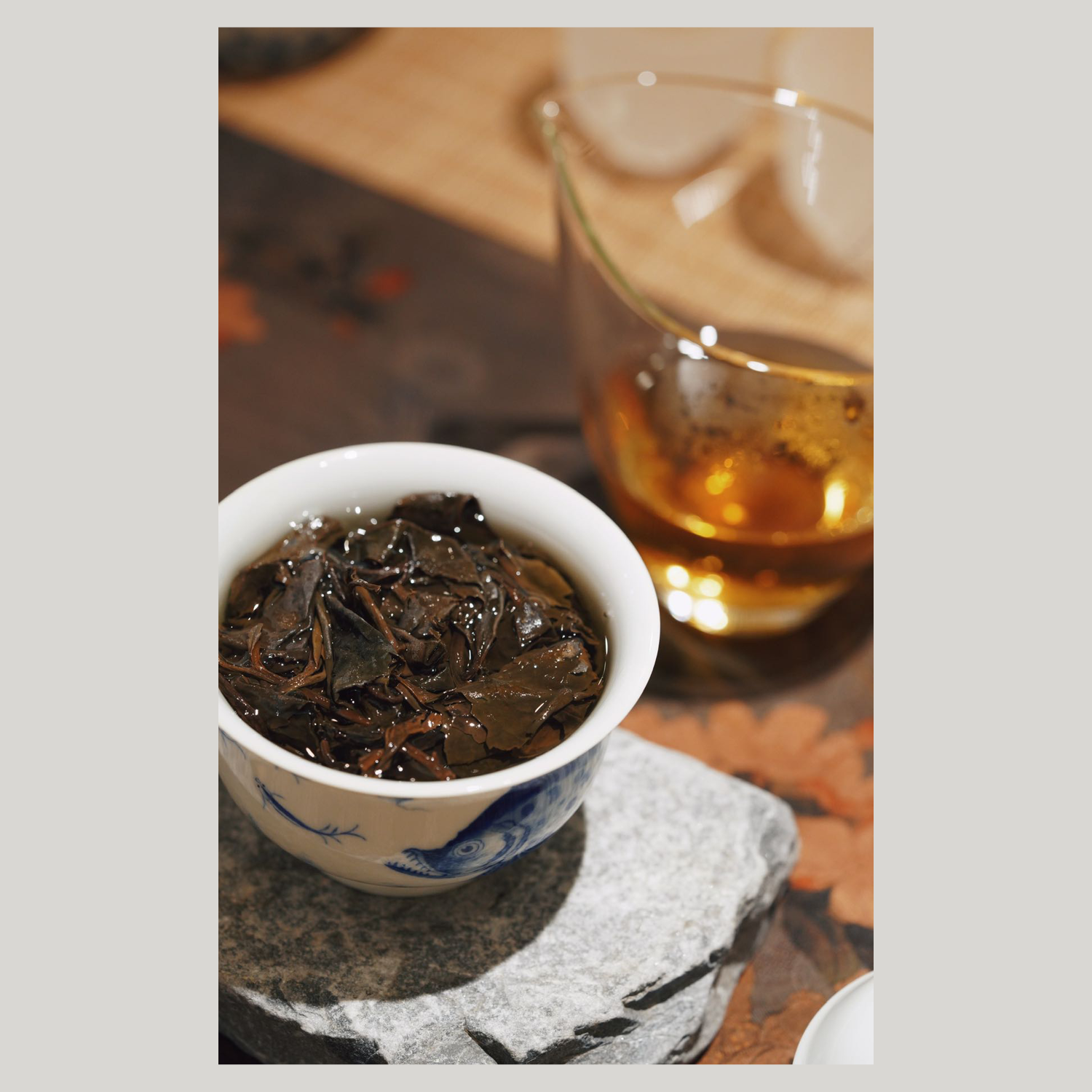
Tea Ware: Lidded bowl, small teapot.
Note: The recommended tea-to-water ratio and tea ware above are for the Gongfu brewing method. However, you can also use a more Western-style vessel, such as a large teapot, French press, or a water bottle with a removable filter. Simply match the water amount to the size of your chosen vessel.
-
1 ~ 12: Steep quickly, for about 5 seconds each.
> 12 steeps: Adjust steeping time according to personal preference.
Note: When using a Western-style vessel, adjust the steeping time based on the amount of water. For example, if you’re using a french press that holds 2 cups of water (4 times the volume of 1/2 cup), extend the brewing time for infusions 1-3 to 20 seconds for the Ritual Citrusy.
-
Servings: For optimal enjoyment, use each packet for 12 ~ 15 infusions throughout the day.
Duration: Best enjoyed within 2 day.
When: If you’re sensitive to caffeine, avoid it 1 hour before bed.
Frequency: Limit to 1 packet per day.
Note: When using a Western-style vessel, adjust the number of infusions based on the amount of water. For example, if you’re using a French press that holds 2 cups of water (4 times the volume of 1/2 cup), aim for 3–4 infusions per packet for the best experience.
-
Oily fare such as braised pork belly, pecking duck, escargots, foie gras and chicharrón perfectly complements this tea. It also pairs elegantly with heavy desserts like mooncake and chocolate lava cake.
Legacy
Small Green Mandarin originates from the fusion of aged tangerine peel and Pu-erh tea. As the name suggests, it harmoniously blends two crafts—one from the art of curing tangerine peel and the other from the ancient techniques of crafting Pu-erh tea.
Xinhui tangerine, a fruit with a national geographic indication, grows in the fertile lands of Lingnan's Xinhui region, nourished by three converging rivers. This prized fruit has long been cherished for its medicinal and culinary value. Over 2,000 years ago, its peel was already being used in traditional remedies, and it soon became a royal tribute. Holding a status of “Southern Tangerine, Northern Thorn,” it stands as a symbol of the finest bounty. Similarly, Yunnan Pu-erh tea, renowned for its rich history and deep flavor, is a national treasure in its own right. Favored by literati and royalty alike, Pu-erh graced imperial courts, becoming particularly fashionable during the Yongzheng period.
The aged tangerine peel, known as *chenpi*, is the predecessor of Small Green Mandarin. The practice of boiling tea with tangerine peel dates back as far as the Tang Dynasty, when Lu Yu's *The Classic of Tea* mentioned it. However, the term “chenpi” first appeared in the Song Dynasty’s *Jisheng Prescription*. Historical evidence suggests that as early as the Ming Dynasty, people began experimenting with tea and tangerine peel combinations. Gu Yuanqing of Suzhou recorded in his *Tea Manual*: “Orange tea is made by slicing one pound of orange peel into thin strips, mixing it with five pounds of fine tea, and drying it together…”. Here, the orange peel was used to scent the tea but was not yet aged like *chenpi*. By the Qing Dynasty, Luo Tianchi, a scholar from Xinhui who served as an official in Yunnan, brought Pu-erh tea back to his hometown upon retirement. Once, during a bout of illness, he mistakenly brewed his Pu-erh tea with a tangerine peel infusion. To his surprise, the combination was extraordinary—smooth, with a sweet aftertaste, soothing to the throat and reducing phlegm. Thus, *Mandarin Pu-erh Tea* was born, and soon after, its health benefits became widely known.
Small Green Mandarin evolved from this fusion of Pu-erh and tangerine peel. In the 1990s, it gained popularity among tea lovers in Hong Kong and Macau due to its refreshing aroma and rich taste. Typically harvested from young Xinhui mandarins in July and August, these small fruits are affectionately called "little darlings." One fruit for one brew, the tea is fragrant with fresh citrus notes, and its flavor is sweet and smooth. It’s the perfect match—refreshing on a hot day and soothing for sensitive throats. Small Green Mandarin unites two distant treasures: one born in the lush lands of Guangdong’s Xinhui and the other from the ancient forests of Yunnan, creating a serendipitous meeting of kindred spirits from a thousand miles apart.
Authenticity
The making of Emerald Tangerine is a meticulous, artisanal process that unites aged ripe Pu-erh tea with young green tangerines. Each component is prepared with precision before being brought together in perfect harmony. In this tea, craftsmanship and the quality of tangerine peel often take precedence over the tea base itself.
The most highly regarded origin for the tangerine peel used in Emerald Tangerine tea is Xinhui City in Guangdong province, with quality diminishing the farther one moves from this core region. Traditional Emerald Tangerine tea is made using peel from the Xinhui Citrus Reticulata variety—prized for its rich citrus oils and refined aroma. To meet increasing demand, however, some producers substitute other types of green tangerines, oranges, or kumquats, often resulting in a less nuanced product. The ideal tree age for harvesting Xinhui tangerines is between 5 to 10 years, and the fruit is picked only once a year, between July and September, in limited supply. When stored under proper conditions, authentic Emerald Tangerine reaches peak character after more than three years of aging, though it is generally not recommended to store it for more than twenty.
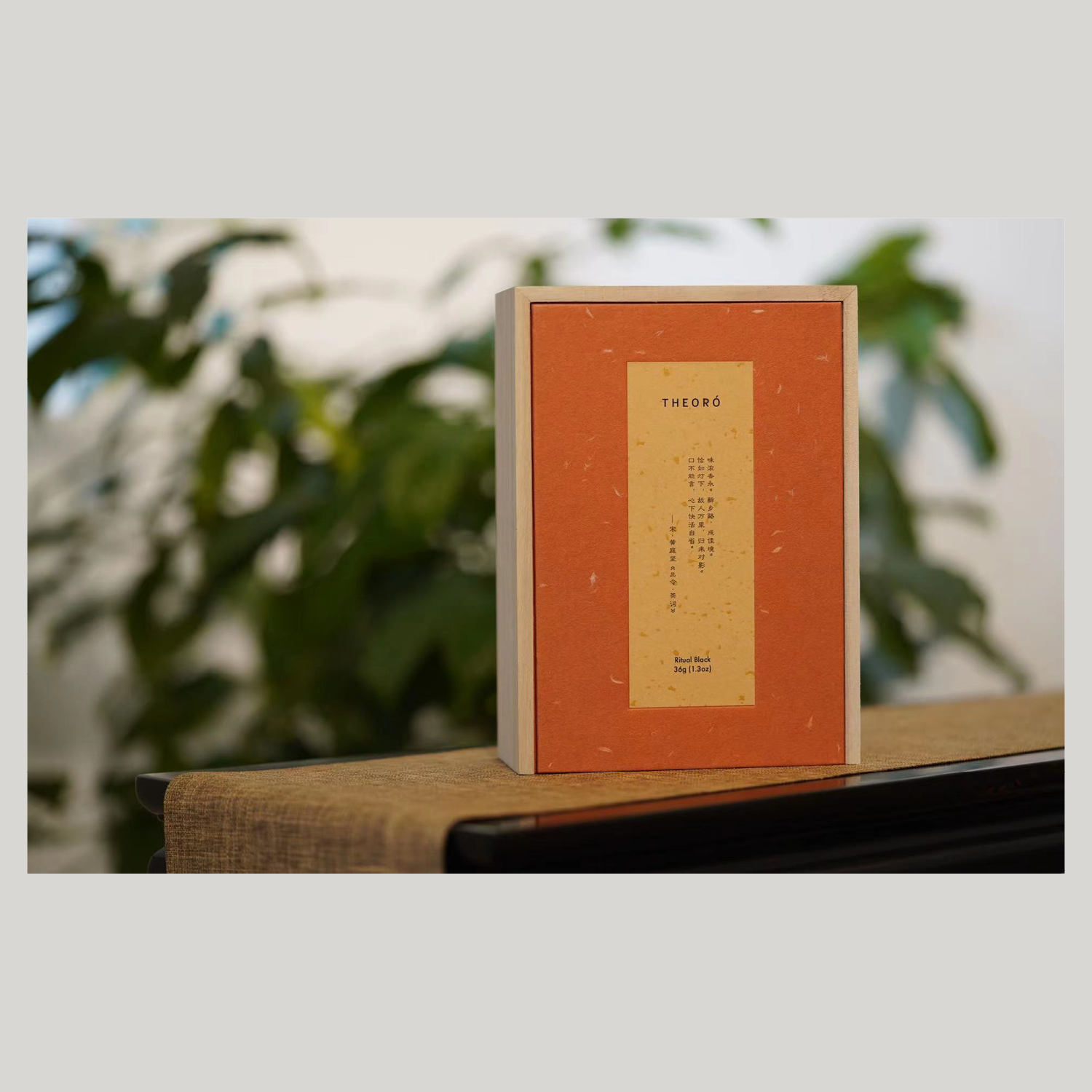
The tangerine peel in THEORÓ Ritual Citrusy comes from Xinhui City, the most esteemed origin for this prized ingredient. It is made exclusively from Xinhui Citrus Reticulata, harvested from trees around seven years old—considered the ideal age for peak flavor. Collected between the solar terms of Minor Heat and the Beginning of Autumn (July 7th to August 6th), the 2017 vintage has been aged for eight years, allowing its citrusy character to develop depth, warmth, and complexity. The Pu-erh tea at its core originates from Lincang City in Yunnan, crafted from Xiaoduoyi Camellia Sinensis var. Assamica trees aged 295 to 305 years, also from the 2017 vintage.
Craftsmanship - Preparation Phase, Ripped Pu-erh Tea
-
Fresh tea leaves are spread out to soften and allow moisture to evaporate, preparing them for further processing.
-
The leaves are gently heated to halt enzymatic oxidation, preserving their essential character.
-
Leaves are rolled to break the surface and release essential juices, enhancing flavor development.
-
A controlled fermentation process where leaves are heaped, moistened, and turned over time, developing the deep, earthy flavor unique to ripe Pu-erh.
-
The fermented leaves are then dried naturally to lock in the developed flavors and aromas.
Craftsmanship - Finalization Phase, Tangerine Peel
-
Cleaning the small green tangerine involves not only removing dust and impurities but also sorting them by size to ensure a uniform appearance and high quality.
-
Pu-erh tea and tangerines are curated by size and weight to ensure a balanced flavor and even filling.
-
First, a careful incision is made, then the top is cut, creating a “lid” by removing the stem along with a portion of the fruit.
-
This is the most challenging and crucial step in the process. Currently, machine-assisted extraction is rare, so it must be done by hand. During this stage, care must be taken to ensure that no fruit remnants are left inside, preserving the aesthetic, hygiene, and integrity of the mandarin. Afterward, the fruit is washed again to remove any juice or pulp residue, maintaining the purity of the peel.
-
The tangerines are spread out to dry, allowing excess moisture to evaporate and ensuring they remain dry for tea filling.
-
The selected Pu-erh tea, sourced from the prestigious Menghai region of Yunnan, is carefully packed into the mandarin peels. This choice of high-quality tea and fresh dried skin creates a harmonious aging process, enhancing the flavor and drinking experience. After filling, the cut tops are replaced.
-
This step serves two purposes: to sterilize and remove any astringency from the mandarin peel, transforming some of the bitter compounds into a sweet, fragrant aroma.
-
The mandarin fruits undergo natural sun-drying for over five days, which evaporates most of the moisture while preserving the glycerin content. This semi-sun-drying technique protects the essential oils in the peel. As they bask in the sun, the fruity aroma of the mandarin melds beautifully with the rich scent of the Pu-erh tea, resulting in a delightful fragrance and a refined, flavorful taste.
Subsequently, a low-temperature roasting is performed to ensure any remaining moisture is removed. These two processes preserve the original essence of the mandarin aroma, preventing any frost from forming on the peel. This allows the mandarins to breathe in the sunlight, aging gracefully year after year, culminating in the most authentic flavor of Emerald Tangerine.