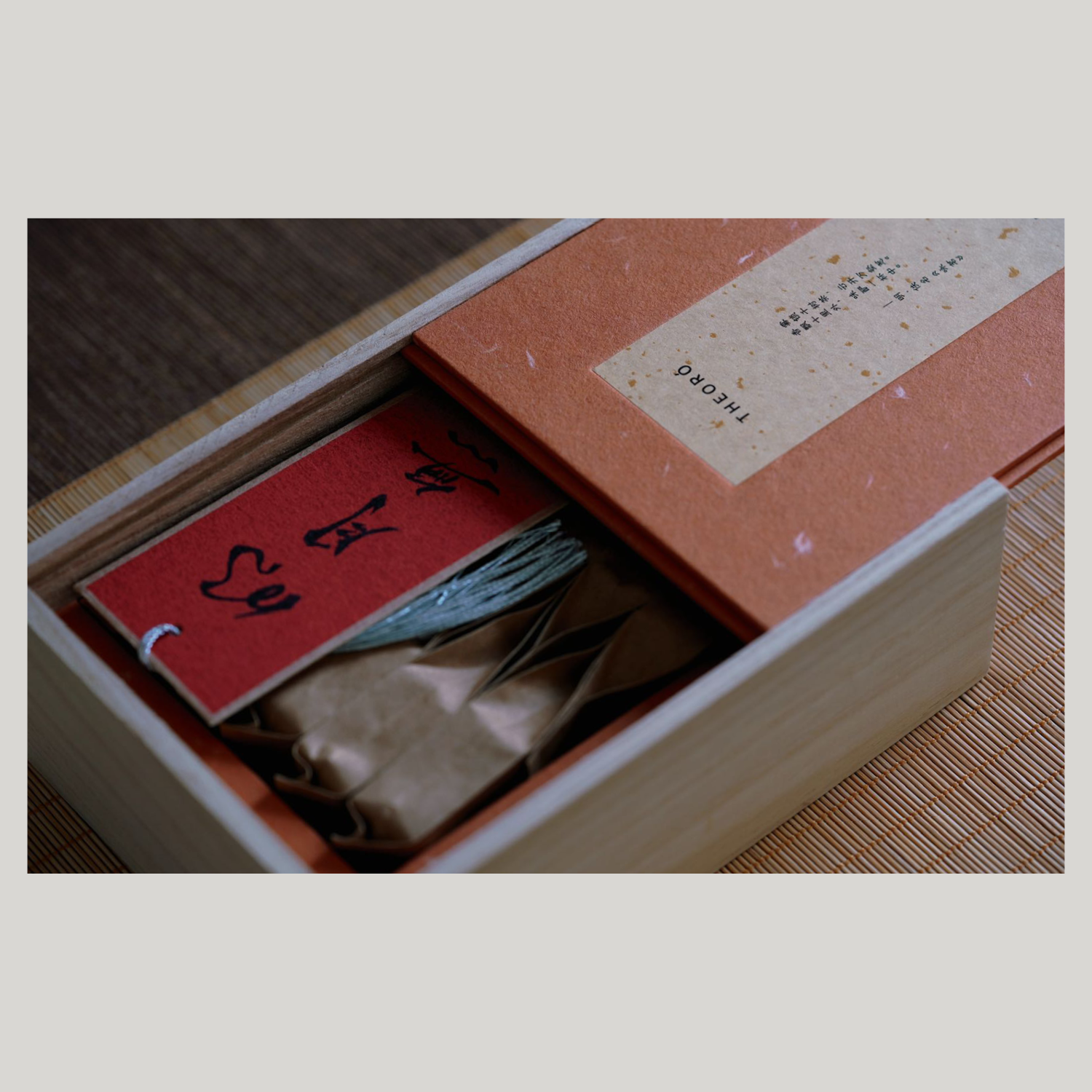
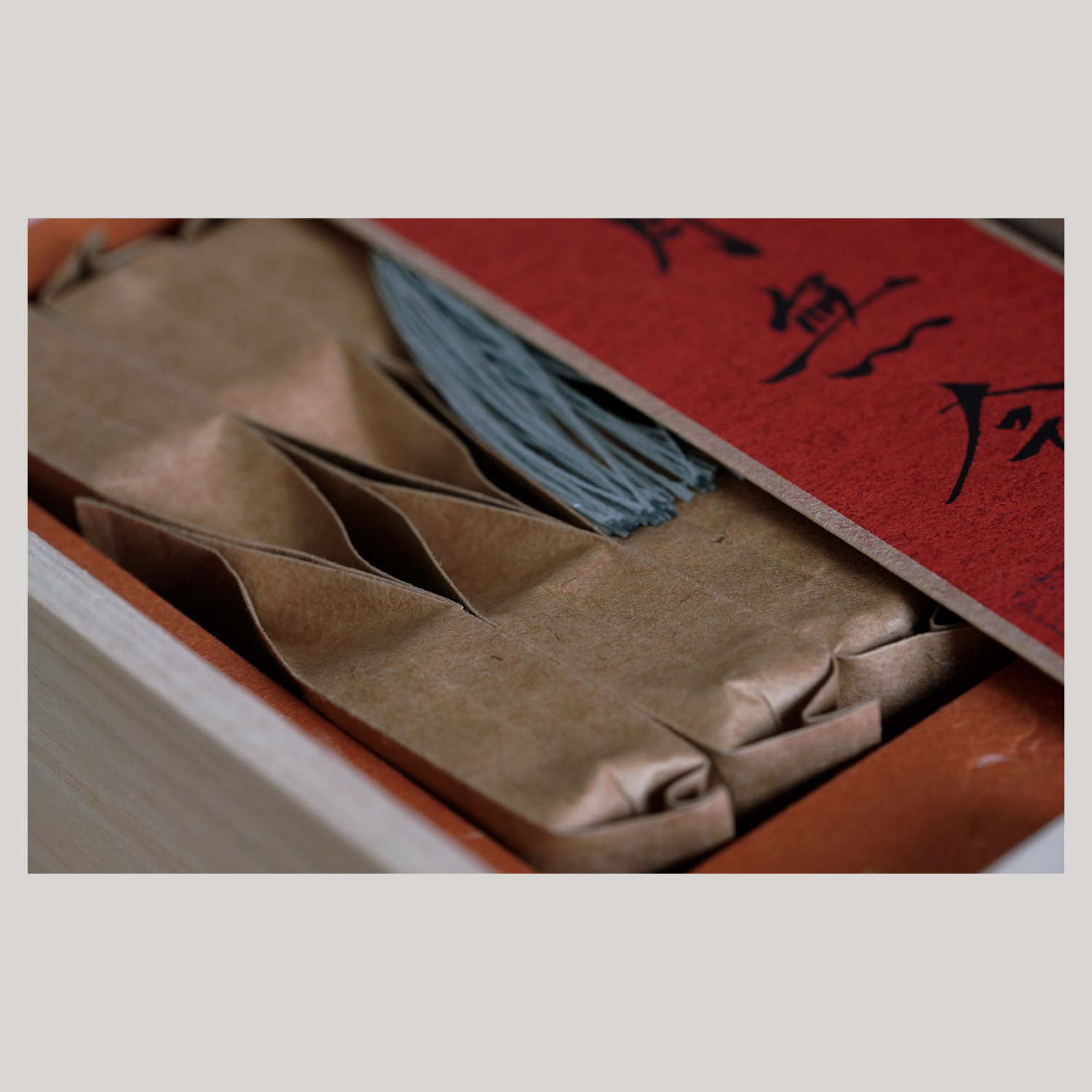
Image 1 of 9
 Image 2 of 9
 Image 3 of 9
 Image 4 of 9
 Image 5 of 9
 Image 6 of 9
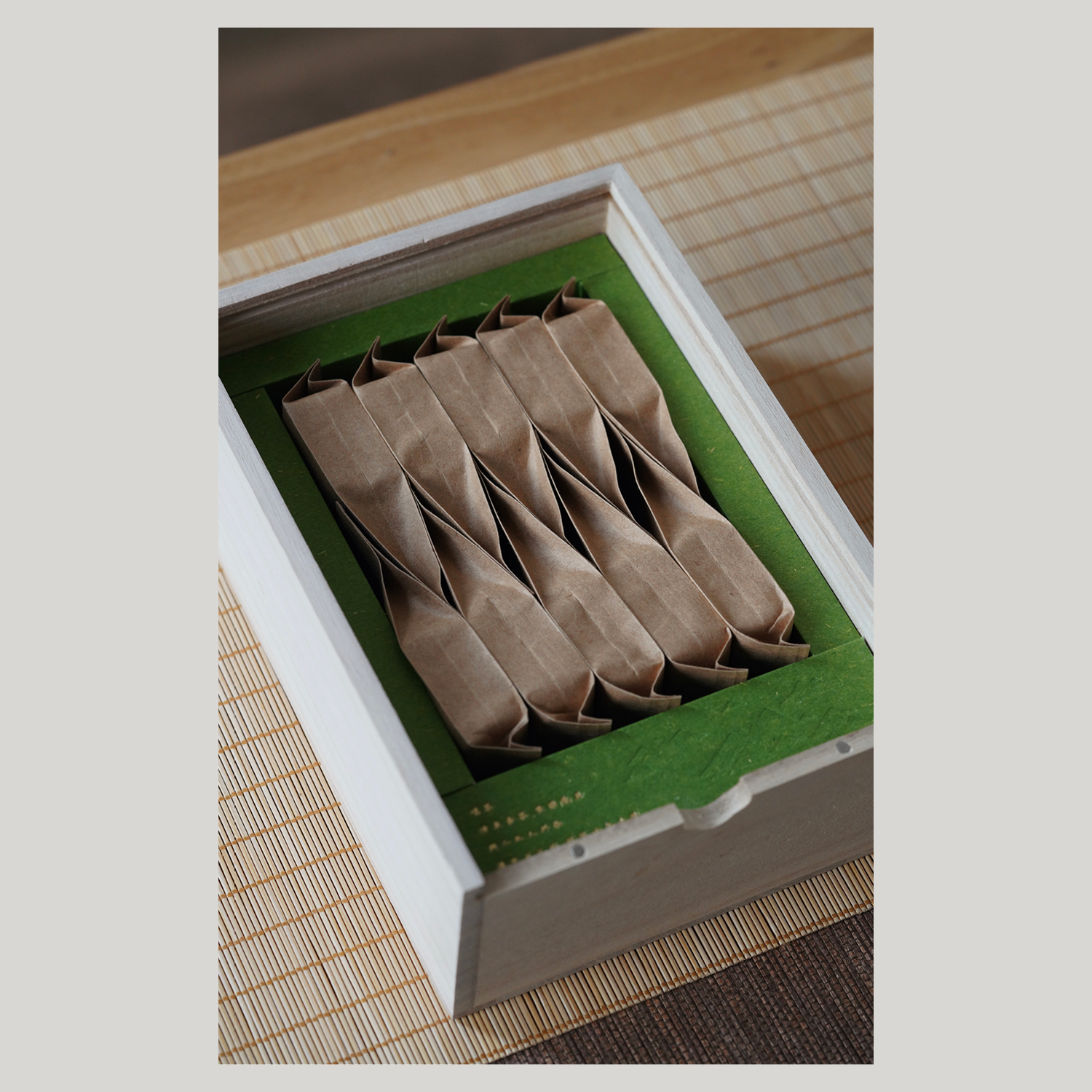 Image 7 of 9
 Image 8 of 9
 Image 9 of 9
Profile
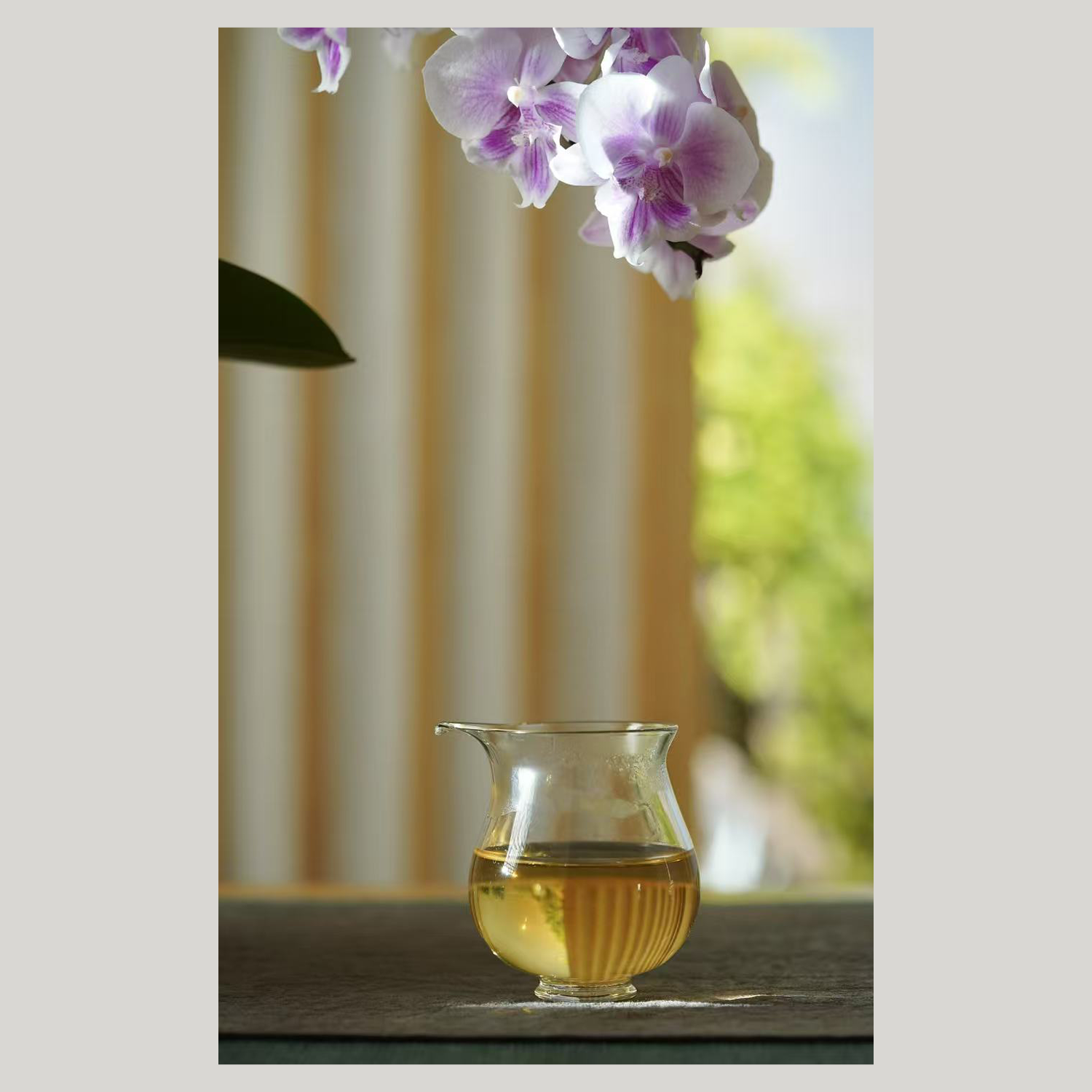
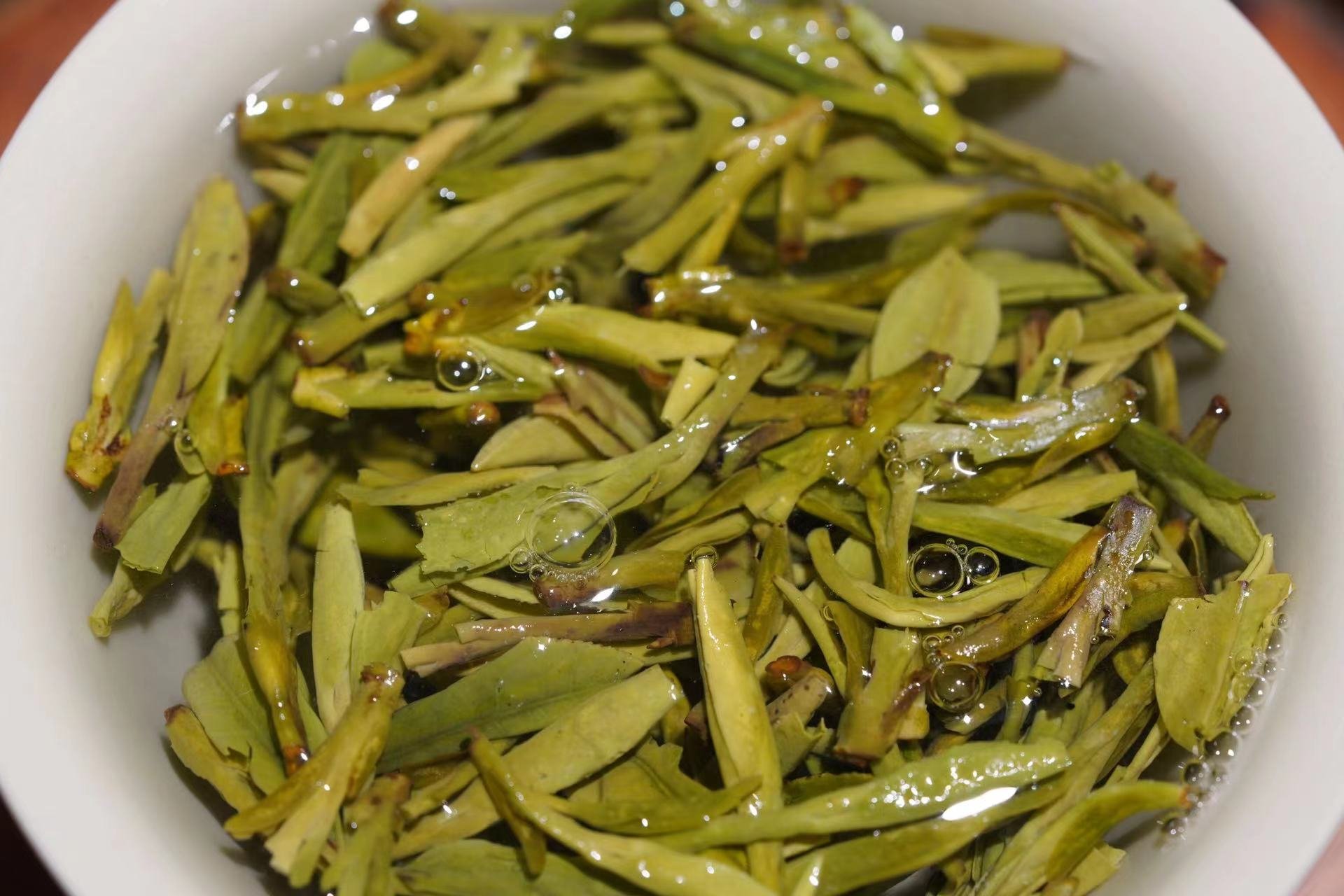
Aroma: Petrichor, chestnut, cymbidium orchid
Flavor: Roasted soybean, acacia honey, raw almond
Vitality: Clean and lively mouthfeel, vibrant, delicate-sweet lingering
Mood: Invigorating, brisk, mental clarity
enjoyment
-
Water: Spring water or purified water.
Temperature: Approximately 190°F (88°C).
Tea-to-Water Ratio: 1 packet of tea per 1/2 US legal cup of water for each infusion.
Tea Ware: Lidded bowl, small teapot, or water bottle with a removable filter.
-
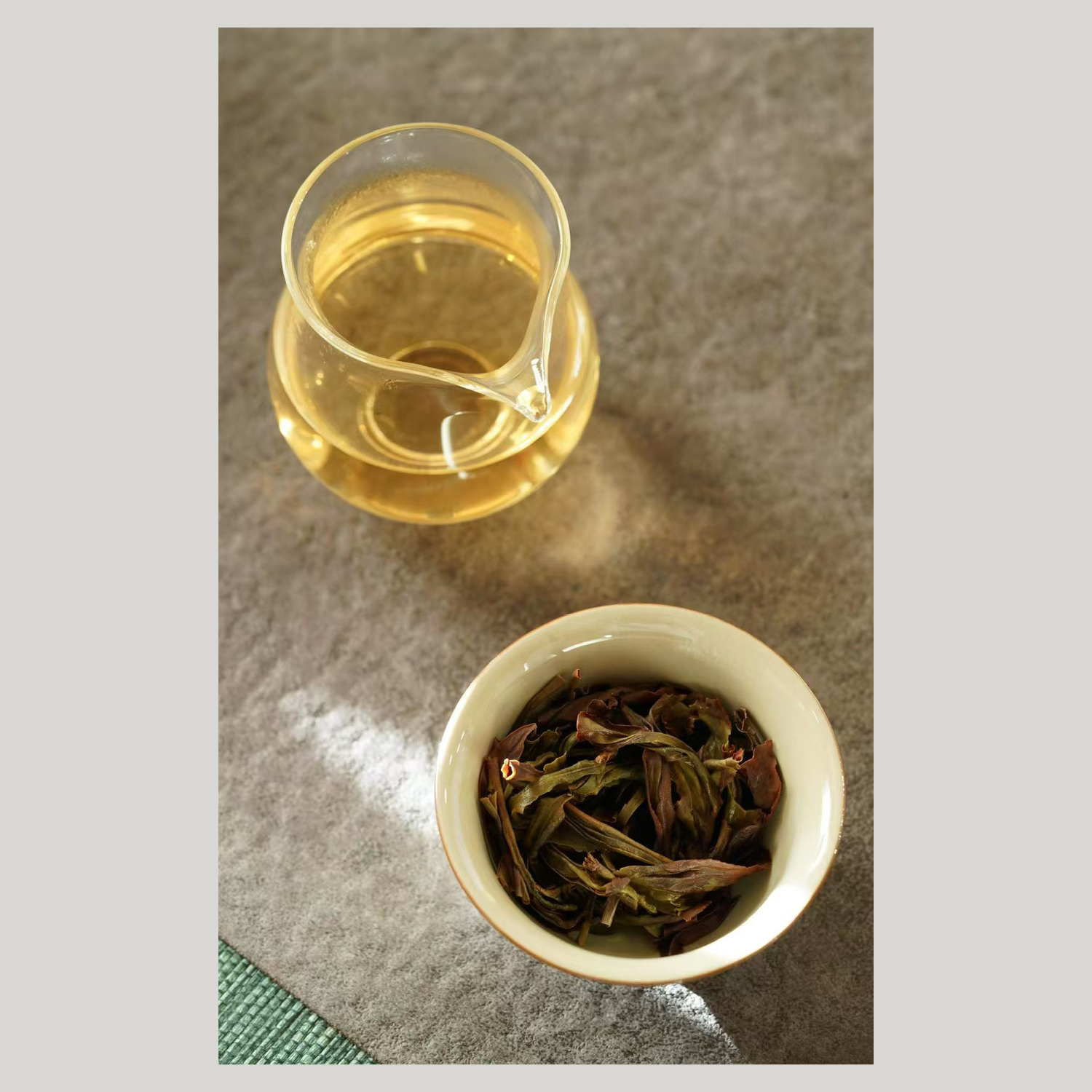
1: Add water directly into tea ware first. Float the tea leaves on top and steep for about 10 seconds.
2 ~ 6: Steep quickly, for about 10 seconds each.
7 ~ 9: Steep for about 30 seconds each.
> 9: steeps: Adjust steeping time according to personal preference.
*If you are using a larger vessel for infusing tea, it’s better to proportionally increase the steeping time rather than the quantity of tea.
-
Servings: For optimal enjoyment, use each packet for 12 infusions throughout the day.
Duration: Best enjoyed within 1 day.
When: Avoid on an empty stomach. If you’re sensitive to caffeine, avoid after 5pm. For optimal enjoyment, drink between the Chinese solar terms of Spring Equinox and Autumn Equinox.
Frequency: Limit to 3 packets per week.
-
Light fare such as fresh vegetables, fruits, and sushi perfectly complements this tea. It also pairs elegantly with Asian pastry.
Legacy
Dragon Well of West Lake originated in the Song Dynasty (960 to 1279 AD). In 1079, during the second year of the Yuanfeng era, a highly respected monk named Bian Cai from Shangtianzhu Temple, located at White Cloud Peak, retired to Shousheng Monastery in what is now Longjing Village near West Lake. Having gained a reputation for his virtue, people of all social classes—from local officials to villagers—frequently visited Bian Cai in the secluded mountain valley. To accommodate these visitors, Bian Cai raised funds, renovated the forest, cleared paths, and planted bamboo, creating a picturesque and tranquil entrance to the mountain. As a result, Shousheng Monastery became more popular, and the number of visitors increased. Known for his hospitality, Bian Cai had a tradition of serving “White Cloud Tea” to guests during his time at Shangtianzhu Temple. After moving to Longjing Village, he continued this tradition. As more visitors came, the demand for tea grew, leading to the establishment of tea gardens in the forest surrounding Shousheng Monastery, marking the beginning of tea cultivation in the area.
During the Ming Dynasty (1368 to 1644 AD), with the popularization of loose leaf tea and simpler brewing methods, tea became accessible to the general public. Dragon Well of West Lake began to rise in prominence, with its fame gradually spreading. The Gazetteer of Qiantang County from the Wanli period (1573 to 1620 AD) records: “Tea from Longjing has the fragrance of bean flowers, a clear color, and a sweet taste, distinct from teas from other mountains.” At this time, Dragon Well of West Lake was listed among China’s famous teas. Both Huang Yizheng’s Record of Famous Teas and Jiangnan scholar Xu Wenchang’s National Famous Teas included Dragon Well of West Lake.
By the Qing Dynasty (1644 to 1912 AD), the reputation of Dragon Well of West Lake was elevated to the highest status. Emperor Qianlong (1711–1799 AD) visited the southern regions six times, four of which included stops at the West Lake areas, where he observed tea production, composed poems, and designated it as imperial tea. In the 27th year of Emperor Qianlong’s reign (1762 AD), during his third southern tour, he visited the scenic area of Longjing and tasted tea brewed with water from the local spring. His poem, Sitting at Longjing, Brewing Tea: An Impromptu Composition, documents this unforgettable experience:
From the famed Longjing spring, I sip new tea;
A flavor unmatched in its simple grace.
Tiny buds sprout from rocky crevices;
Gathered before the rains of Guyu fall.
Why boast of imperial Tuanfeng leaves;
When the tender Sparrow’s Tongue nourishes the heart, pure as lotus.
Bian Cai’s presence, though invisible, feels near;
Laughing at my poetic musings, still touched by Zen.
This journey left a deep impression on him, so three years later, during his fourth southern tour, on the day before leaving Hangzhou, Emperor Qianlong once again visited Longjing and composed Revisiting Longjing:
Again, I hear the Longjing’s spring beneath the imperial escort;
Before I depart tomorrow, my reins will lift the splendid curtain.
One finds the path to the mountain best after the rains have cleared;
But to fetch water and brew tea is ideal just before they fall.
The scenery before my eyes changes swiftly;
Yet the flowers and trees seem to remain as ever.
Truly, this is wonderful, though I have no dream;
How could I aspire to the heights of Li Bai’s immortal vision.
From that point on, Dragon Well of West Lake became renowned both domestically and internationally. The forests of Lion Peak, to the west of West Lake, cherished by figures such as Bian Cai, Su Dongpo, and Emperor Qianlong, hold a rich cultural heritage. For centuries, the spiritual essence of poets, musicians, and hermits who passed through West Lake seems to have transformed into the mist and light that now envelops the Longjing mountains.
Authenticity
-
Not all Longjing tea produced in Zhejiang can be called Dragon Well of West Lake. The Dragon Well tea in Zhejiang is divided into three main regions: the West Lake region, the Qiantang region, and the Yuezhou region. Only Dragon Well tea grown within the 168 square kilometers of the West Lake region can be called Dragon Well of West Lake.
The Dragon Well of West Lake production area is further divided into first-class and second-class protected zones. The first-class protected zones are the five major production areas: Mount Lion Peak, Longjing, Yunqi, Hupao, and Meijiawu. The second-class areas include the West Lake regions of Longwu, Xiangshan, Zhuantang, and Zhoupu.
Among these, Mount Lion Peak is considered the finest. The 18 trees in front of the Huguo Temple at the foot of Mount Lion Peak, personally selected by Emperor Qianlong during his Southern inspection tour in the Qing Dynasty, were deemed “Imperial Tea” and are known as the “Eighteen Imperial Trees.”
THEORÓ Heritage Green is from Wengjiashan Village, nestled within the core area of Mount Lion Peak, is recognized with a national geographical indication.
-
The original variety of Dragon Well of West Lake is the Lion Peak Camellia sinensis var. Longjing, which, as the name suggests, only existed on Lion Peak within the West Lake Scenic Area. It is extremely rare and highly prized.
Another exceptional cultivar is Longjing No. 43, a nationally recognized superior variety developed by the Tea Research Institute of the Chinese Academy of Agricultural Sciences. It is currently being promoted in core production areas where the original wild species are scarce, ensuring a consistent and high-quality supply of Dragon Well of West Lake.
Other commonly used tree varieties include Camellia sinensis var. Yingshuang and Camellia sinensis var. Wuniuzao, as well as other Camellia sinensis var. Sinensis grown outside the West Lake Scenic Area. However, tea produced from these varieties cannot withstand close scrutiny, as they tend to have a stronger grassy note and do not hold up well to multiple infusions.
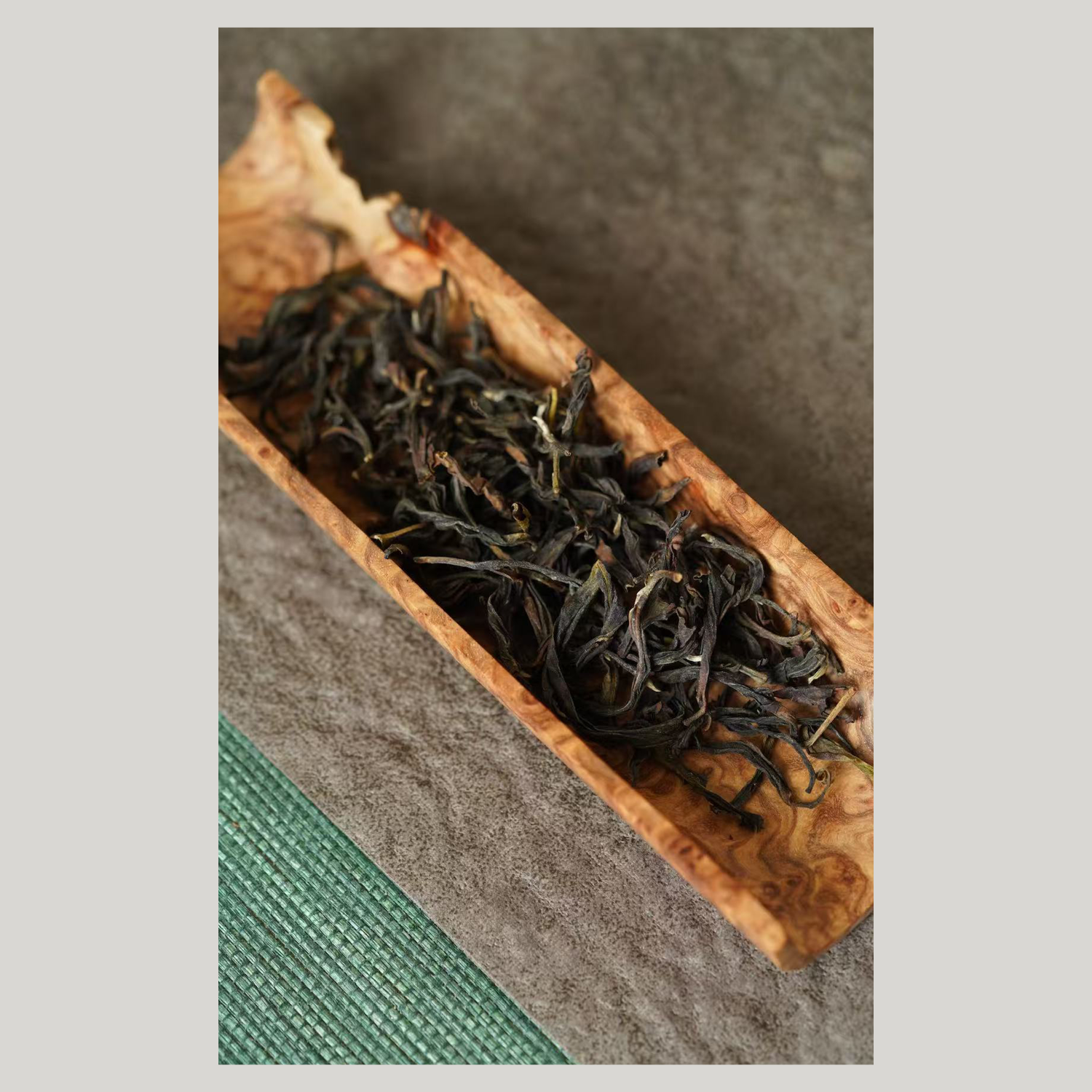
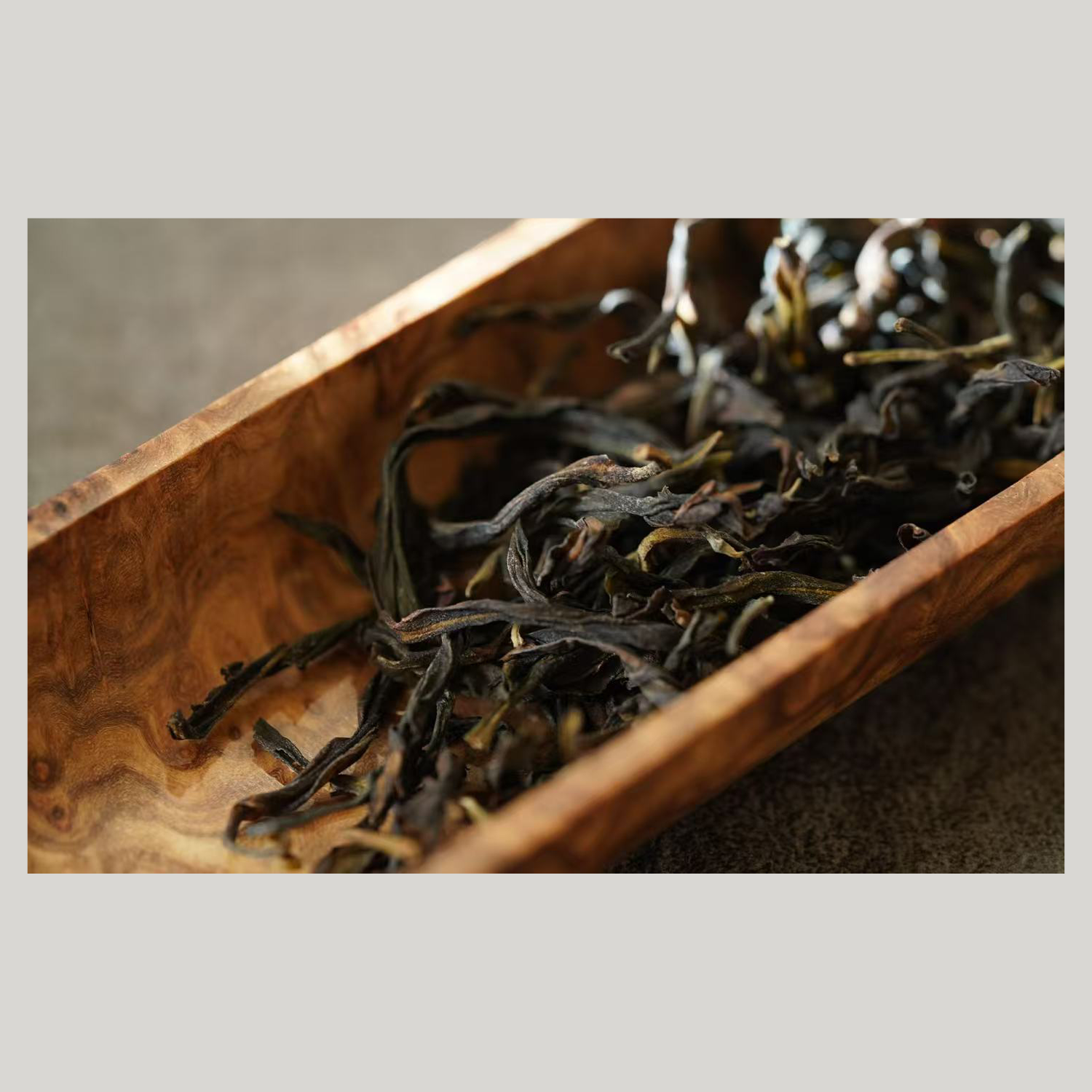
THEORÓ Heritage Green uses leaves from Longjing No. 43.
-
All Longjing No. 43 tea is cultivated, managed, and harvested according to strict national standards, with no distinction based on the age of the trees.
-
The term "mingqian" (before "Clear and Bright") is often misunderstood and can be misleading. While many teas are labeled as "mingqian," this term covers several plucking periods, leading consumers to believe that any tea with this label is of the highest quality. While "mingqian" teas are good, they are not necessarily the best. For Dragon Well of West Lake, the Longjing No. 43 cultivar is an early-harvest variety, traditionally harvested before the Spring Equinox, about two weeks before Clear and Bright. As a result, the term "mingqian" is often used loosely for marketing, especially since most Dragon Well of West Lake teas are harvested before Clear and Bright. Discerning tea drinkers, however, focus on more specific terms such as "first flush," "second flush," or "third flush" rather than relying solely on the "mingqian" label.
THEORÓ Heritage Green is made from leaves that are the very first pluck of each year, harvested on Spring Equinox, around March 20th of each year.
-
All green teas, including Dragon Well of West Lake are best enjoyed within the same year of their harvest, ideally before winter.
We are currently sold out of the 2025 vintage of THEORÓ Heritage Green. Pre-orders for the 2026 vintage will be open from February 4th, 2026, the start of spring, to March 20th, 2026, the spring equinox.
Craftsmanship
-
After fresh tea leaves are picked, they need to be spread and aired promptly. In the past, this process was not given much attention, but through practice and research, it was discovered that using bamboo baskets or flat surfaces to air the leaves can lower their quality. Therefore, specially designed airing racks are now used, which are not only cleaner and more ventilated but also help the leaves retain their fresh and vibrant color after heating, preventing them from clumping together.
-
The fixation of Dragon Well of West Lake involves mainly pan-roasting. This technique uses high temperatures to stop oxidation and stabilize the quality of the tea. At the same time, the high temperature helps further eliminate the low-boiling-point grassy odors from the original aromatic components, allowing the higher-boiling-point floral and fruity aromas to become more prominent. Under these heat conditions, new aromatic compounds may also form.
-
After the initial heating, these leaves must be spread in a clean environment with the right temperature and humidity to cool down. Once re-moistened, they are covered with a clean cloth. The leaves are then sifted through tea sieves to remove fragments and dust, which helps in shaping the leaves during the final step.
-
The final pan-roasting process is the key step in the entire roasting process. Its purpose is to further shape the leaves, fix the color, and dry them until they meet the desired qualities of being flat, smooth, bright, straight, and glossy. Although the roasting motions may appear simple, mastering the technique requires a high level of skill from the tea maker, blending artistry and precision to achieve perfection.